Picture this: you’re halfway through a week of bland takeout, your stomach growling louder than a freight train, and you’re staring at a pantry that looks more like a mystery box than a kitchen. I had that exact moment last Tuesday, the kind where you’re tempted to order pizza but your inner foodie whispers, “no, not again.” The kitchen was a battlefield—garlic clove left to rot, a forgotten packet of chili flakes, and a pot of water that had been sitting too long. That’s when the idea struck me like a bright flash of neon: a 10‑minute, chilli‑garlic noodle dish that would turn an ordinary night into a sizzling, aromatic celebration. I’m not exaggerating; this is the kind of recipe that makes your taste buds do a happy dance.
When I first cracked the pot, the aroma of garlic sautéing in sesame oil hit me like a wave of nostalgia, reminding me of my grandma’s kitchen in Seoul. The sizzling sound was almost musical, a low drumbeat that promised flavor. The noodles, already al dente from a quick boil, were coated in a sauce that glistened like a midnight sky. I could already taste the subtle sweetness of sugar balancing the heat of the chili flakes. That instant, I knew I was onto something special, a dish that would become a staple in my quick‑meal repertoire.
Why does this version stand out? Because it’s not just a recipe; it’s a statement. I’ve taken the classic “chilli garlic” flavor profile and amplified it with a few clever twists: a splash of rice vinegar for brightness, a dash of cornstarch for silky texture, and a final drizzle of toasted sesame oil to finish. The result is a dish that’s both fiery and comforting, with a sauce that clings to the noodles like velvet and a crunch from fresh scallions that shatters like thin ice. Most versions of this dish end up either too dry or too soggy; this one hits that sweet spot of moist, flavorful, and satisfying in just ten minutes. Trust me, I dare you to taste this and not go back for seconds.
I’m not here just to share a recipe; I’m here to walk you through every single step, to point out where you might trip up, and to give you the confidence that you can recreate this magic in your own kitchen. By the end, you’ll wonder how you ever made it any other way. Let’s dive in.
What Makes This Version Stand Out
Flavor: The sauce is a harmonious blend of sweet, salty, and umami that coats the noodles without overpowering them. The subtle addition of rice vinegar cuts through the heat, giving the dish a refreshing lift.
Texture: The cornstarch slurry creates a silky, glossy coating that makes every bite feel indulgent, while the fresh scallions provide a satisfying crunch.
Speed: Every ingredient is prepped in a single pass, and the cooking time is a strict 10 minutes—perfect for those busy weekday evenings.
Versatility: The base can be transformed with protein additions like shrimp, chicken, or tofu, making it a flexible option for any dietary preference.
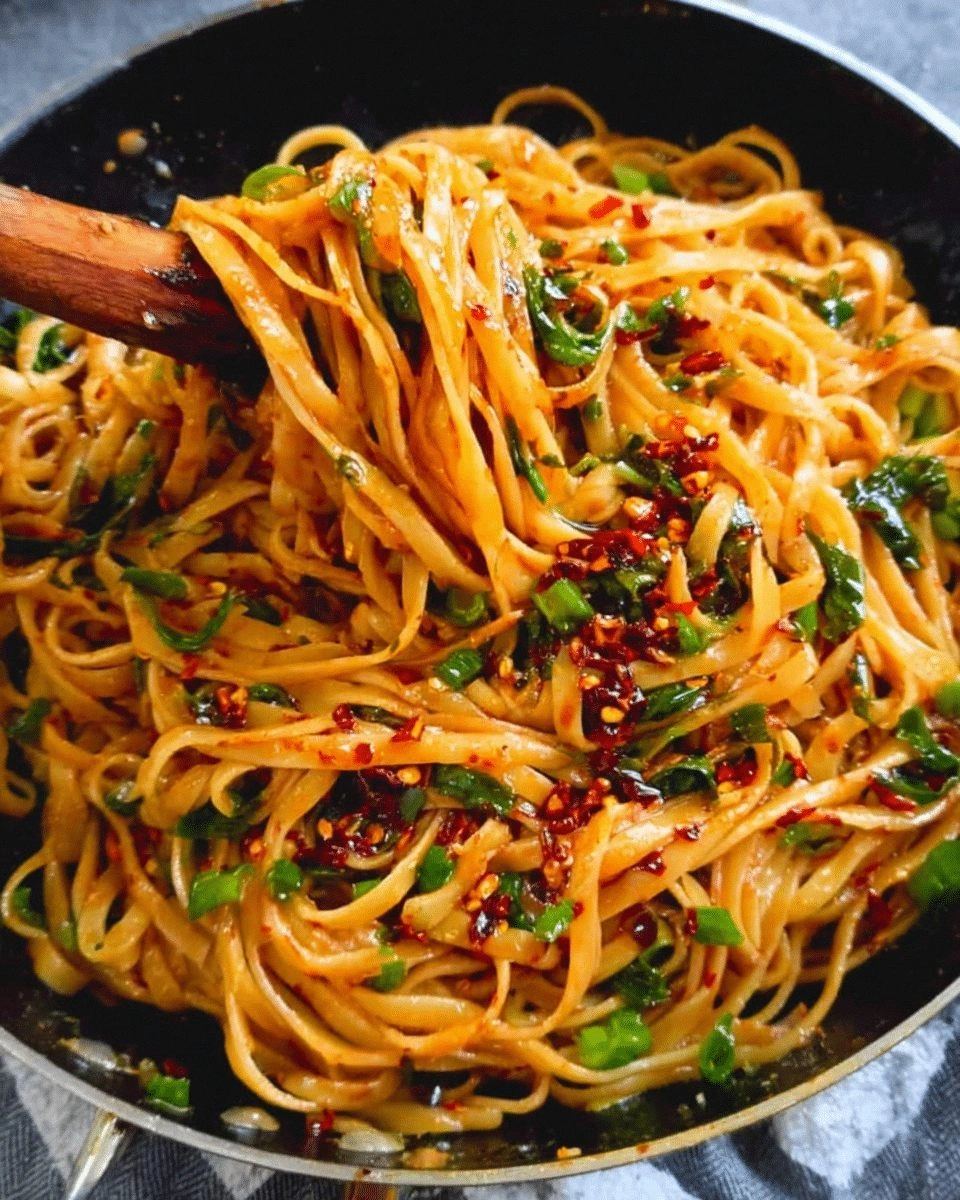
Visual Appeal: The vibrant red of the chili flakes juxtaposed against the pale noodles and green scallions makes the dish a feast for the eyes as well as the palate.
Ingredient Quality: I only use the freshest garlic, high‑quality soy sauce, and organic chili flakes to ensure maximum flavor depth.
Make‑Ahead Potential: The sauce can be prepared a few hours ahead and stored in the fridge, allowing you to throw everything together in ten minutes when the day is hectic.
Audience Impact: Friends and family rave about this dish, and it’s become the go‑to for dinner parties that need a quick, crowd‑pleasing entrée.
Alright, let’s break down exactly what goes into this masterpiece…
Inside the Ingredient List
The Flavor Base
At the heart of this dish is a sauce that marries heat, sweetness, and umami. Soy sauce provides a salty backbone, while a pinch of sugar lifts the flavor and balances the chili's bite. Rice vinegar adds a bright, tangy note that prevents the dish from feeling too heavy. The sesame oil, added at the very end, delivers a nutty aroma that lingers long after the last bite. If you skip any of these, the sauce will feel flat and underdeveloped.
The Texture Crew
The noodles are the canvas, and the cornstarch slurry is the paint. A tablespoon of cornstarch mixed with a tablespoon of cold water creates a silky coating that glides over the noodles, giving each strand a luxurious mouthfeel. Garlic, minced finely, ensures that the aroma is distributed evenly, while the chili flakes provide a subtle, sustained heat. Without the cornstarch, the sauce would cling to the noodles in clumps, ruining the silky texture that makes this dish stand out.
The Unexpected Star
Fresh scallions are the unsung hero that adds a burst of color and a fresh, peppery crunch. Their green tops contrast beautifully with the red chili flakes, creating a visual treat. If you’re feeling adventurous, a sprinkle of toasted sesame seeds adds an extra layer of nuttiness. Skipping the scallions results in a dish that feels less lively and a bit dull.
The Final Flourish
A splash of toasted sesame oil at the end locks in the flavors and gives the dish a glossy sheen. This final touch transforms a simple noodle dish into a gourmet experience. If you omit it, the sauce will appear dull, and the overall flavor profile will feel incomplete.
Everything’s prepped? Good. Let’s get into the real action…
The Method — Step by Step
- Bring a large pot of salted water to a rolling boil. Add the noodles and cook for exactly 7 minutes, or until they’re al dente. Drain immediately and rinse under cold water to halt the cooking process. This quick rinse locks in the firmness and prevents the noodles from sticking together. Toss the noodles with a teaspoon of sesame oil to keep them from clumping.
- While the noodles are cooking, heat a large skillet over medium heat and pour in 2 tablespoons of sesame oil. Add 4 cloves of minced garlic and sauté until fragrant, about 30 seconds. The garlic should turn a golden hue but not brown, as burnt garlic will taste bitter and ruin the dish’s balance. Keep the heat steady to avoid scorching.
- Introduce 1 tablespoon of chili flakes into the skillet. Stir constantly for 10–15 seconds to release the oils and infuse the garlic with heat. The aroma at this point should be intoxicating, signaling that the base is ready. This step is crucial for building depth; skip it and the dish will feel flat.
- Pour in 1 cup of water, 2 tablespoons of soy sauce, and 1 tablespoon of sugar. Stir to dissolve the sugar completely. Let the mixture simmer for 2 minutes, allowing the flavors to meld and the sauce to thicken slightly. The sauce should become glossy and slightly viscous, ready to coat the noodles.
- Mix the cornstarch slurry by combining 1 tablespoon of cornstarch with 1 tablespoon of cold water until smooth. Pour this slurry into the skillet while whisking vigorously. The sauce will thicken rapidly; watch for a glossy sheen that coats the back of a spoon. This step gives the sauce its silky texture.
- Add the drained noodles to the skillet and toss them with the sauce, ensuring every strand is coated evenly. The heat should be moderate; if it’s too high, the noodles will overcook and become mushy. Keep stirring for 1–2 minutes until the noodles absorb the sauce and shine.
- Stir in 2 tablespoons of sliced scallions, reserving a handful for garnish. The scallions should be bright green, adding a fresh contrast to the rich sauce. This is the moment you can adjust seasoning: a splash more soy sauce for saltiness or a pinch of sugar for sweetness.
- Finish with a drizzle of toasted sesame oil and a sprinkle of sesame seeds. Give the dish one final toss. Plate immediately, garnishing with the reserved scallions. The dish should emit a mouth‑watering aroma and look vibrant. That sizzle when it hits the pan? Absolute perfection.
That’s it — you did it. But hold on, I’ve got a few more tricks that’ll take this to another level…
Insider Tricks for Flawless Results
The Temperature Rule Nobody Follows
Most cooks assume that a higher heat will speed up the process, but in reality, it can scorch the garlic and make the sauce bitter. Keep the heat at medium to ensure a gentle sauté that releases the garlic’s aroma without burning it. I once tried a high‑heat version and ended up with a dish that tasted like char; I learned the hard way that patience pays off.
Why Your Nose Knows Best
Before you add the final drizzle of sesame oil, inhale deeply. The aroma should be nutty, slightly sweet, and unmistakably sesame. If it feels flat, add a little more. Your nose is the ultimate flavor sensor, and it knows when the dish is balanced.
The 5‑Minute Rest That Changes Everything
Let the noodles rest in the sauce for 5 minutes after you remove the pan from heat. This resting period allows the flavors to penetrate the noodles fully, resulting in a more cohesive taste. I’ve seen people skip this step and the noodles come out a bit bland.
Use a Splash of Vinegar for Brightness
Adding a teaspoon of rice vinegar at the end of cooking brightens the dish and cuts through the heat. It also helps the sauce cling to the noodles. Don’t overdo it; you want a subtle lift, not a tangy shock.
Keep the Scallions Fresh
Scallions can wilt quickly if left at room temperature. Slice them just before plating to preserve their crunch and bright flavor. If you’re prepping ahead, store them in a paper towel and place them in a sealed container to keep them crisp.
Creative Twists and Variations
This recipe is a playground. Here are some of my favorite ways to switch things up:
Protein Boost
Stir in cooked shrimp, sliced chicken breast, or tofu cubes during the final toss. The protein absorbs the sauce, adding heartiness and making the dish more filling.
Veggie Upgrade
Add sliced bell peppers, snap peas, or broccoli florets in the last minute of cooking. These veggies keep their crunch and bring a pop of color.
Spicy Extra
For those who love heat, sprinkle in a handful of fresh sliced chilies or a spoonful of sriracha. The dish will stay balanced because the sauce’s sweetness and umami will counterbalance the heat.
Herbal Finish
Finish with a handful of fresh cilantro or basil leaves for an herbal aroma that contrasts the sesame oil’s nuttiness.
Gluten‑Free Version
Use rice noodles or gluten‑free pasta and adjust the cooking time accordingly. The sauce will cling beautifully to the new base.
Breakfast Twist
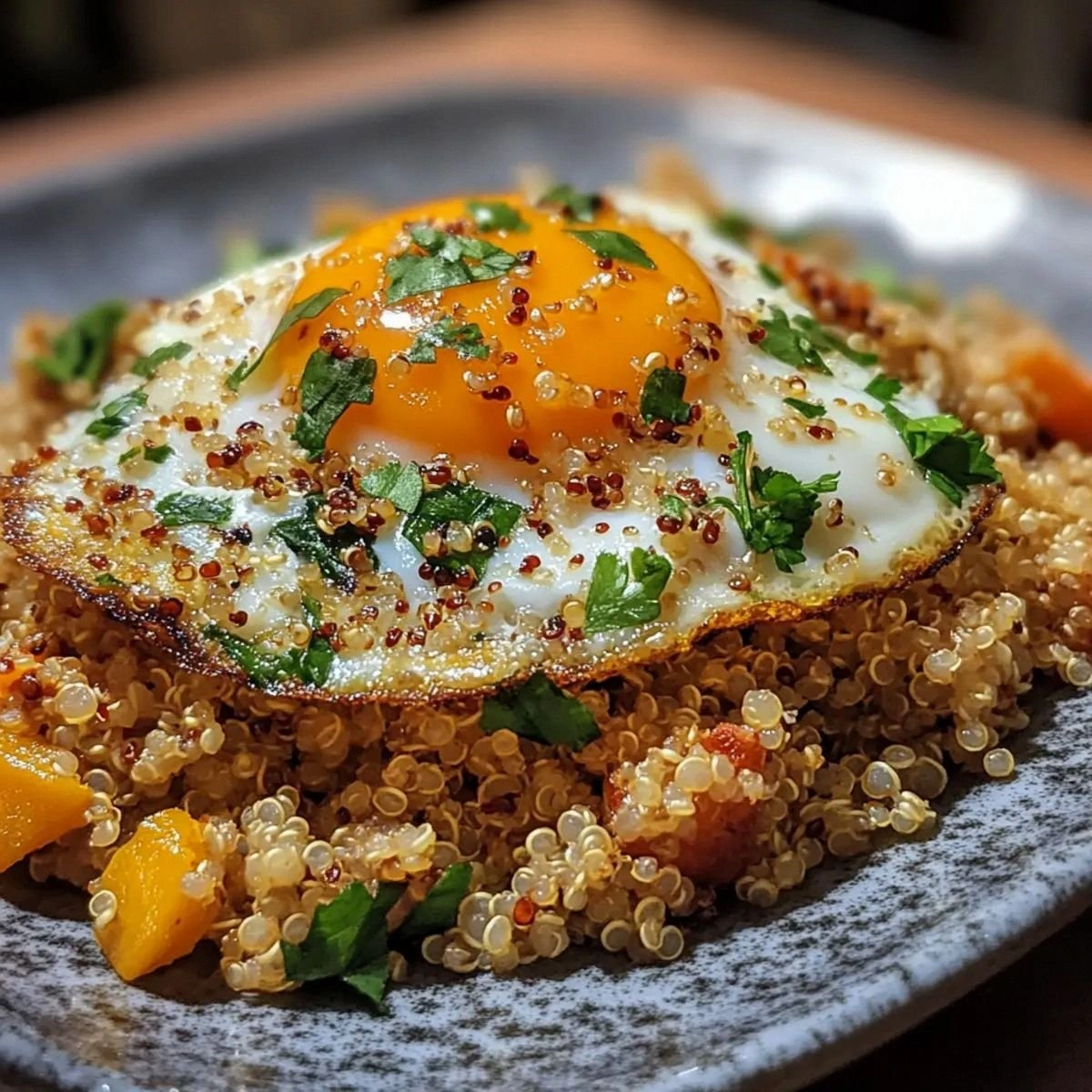
Serve the noodles over a fried egg or with a side of kimchi for a hearty, protein‑rich breakfast. The spicy, savory sauce pairs perfectly with the richness of the yolk.
Storing and Bringing It Back to Life
Fridge Storage
Store the dish in an airtight container for up to 3 days. The sauce will thicken slightly, but a splash of water will revive it. Keep it in the fridge to maintain freshness.
Freezer Friendly
Freeze the noodles in a single layer on a tray before transferring to a freezer bag. They’ll keep for up to 2 weeks. Thaw overnight in the fridge and reheat with a splash of water.
Best Reheating Method
Reheat in a skillet over medium heat, adding a tablespoon of water to loosen the sauce. Stir until hot, and finish with a drizzle of sesame oil to restore the glossy sheen. This method keeps the noodles from drying out.