I remember the night my roommate tried to turn a simple Sunday dinner into a culinary experiment and ended up with a kitchen that smelled like burnt onions and regret. He’d taken a packet of frozen mixed vegetables, tossed them in a pan, and then, in a fit of bravado, added an entire bag of ground beef, thinking it would just “bulk up” the dish. The result? A greasy, flavorless mess that made everyone gag. That disaster became the spark that lit my culinary curiosity and the reason I’m about to share the ultimate Beef Kofta Kebabs with Creamy Tzatziki recipe.
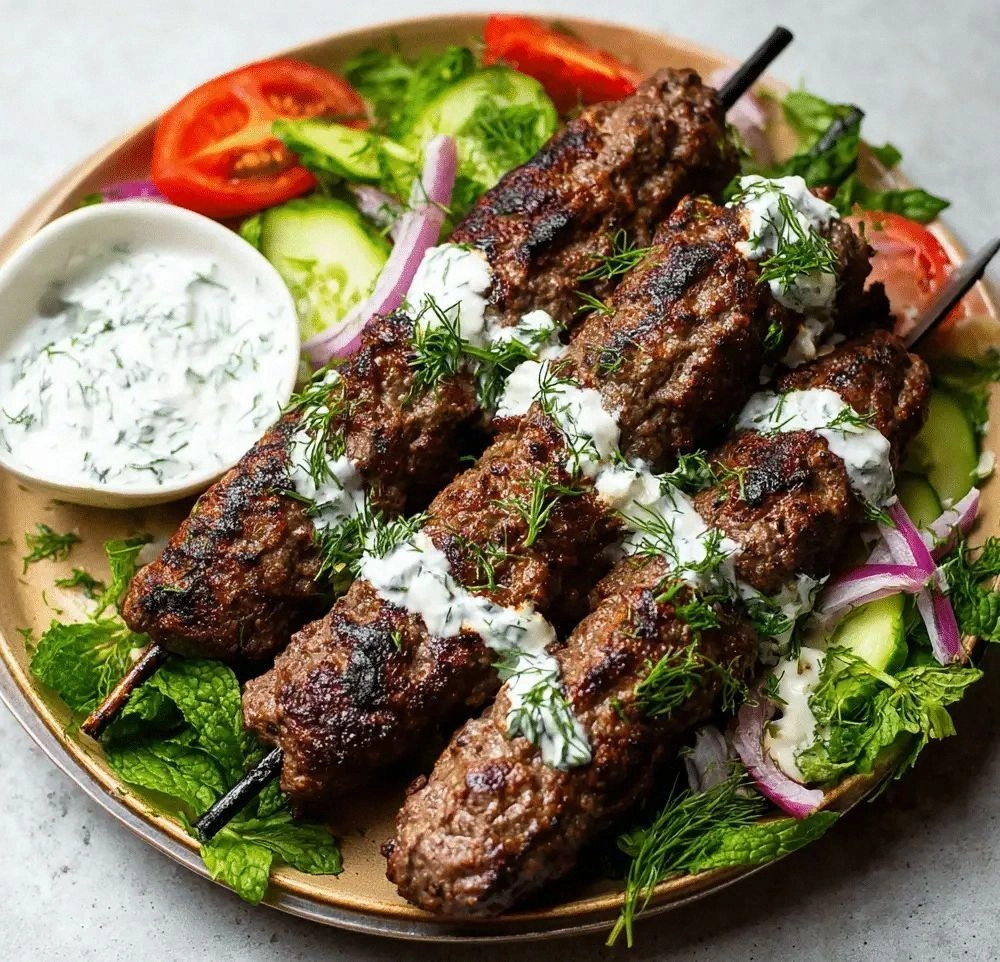
Picture this: the skillet sizzles as the meat mixture hits the heat, releasing a fragrant dance of cumin, coriander, and smoked paprika that fills the kitchen with a warm, earthy aroma. The sound of the sizzling meat is the soundtrack to a meal that will become the centerpiece of your dinner table. The visual cue? Golden, slightly charred edges that crackle like thin ice as they cook. The taste? Juicy, spiced meat that melts in your mouth, balanced by a creamy, tangy tzatziki that coats the kebabs like velvet. The feel? The heat radiating from the grill, the satisfying weight of the skewers in your hand, the anticipation of the first bite. That’s the sensory snapshot you’ll experience when you follow this recipe.
What makes this version stand out is not just the combination of spices but the meticulous attention to every detail—from the marination of the beef to the exact ratio of yogurt to cucumber in the tzatziki. I dare you to taste this and not go back for seconds. I’ve spent months tweaking the ratios, testing different cuts of beef, and even experimenting with grilling techniques to ensure each kebab is perfectly cooked. The result is a dish that is hands down the best version you’ll ever make at home, with a flavor profile that will have guests asking for the recipe.
I’ll be honest—when I first plated these kebabs, I ate half the batch before anyone else got a chance. The combination of the smoky meat and the cool, herby sauce was so irresistible that I couldn’t help myself. But that’s the beauty of this dish: it’s shareable, crowd-pleasing, and utterly unforgettable. If you’ve ever struggled with making kebabs that don’t fall apart or with balancing flavors in a sauce, you’re not alone. I’ve got the fix, and it’s simpler than you think.
Picture yourself pulling this out of the grill, the whole kitchen smelling incredible, and the anticipation building as you serve the first kebab. The sizzle when it hits the pan? Absolute perfection. The contrast of the hot, charred meat against the cool, creamy tzatziki? Pure magic. This dish is a celebration of textures and flavors that will elevate any dinner gathering.
Okay, ready for the game-changer? Let me walk you through every single step—by the end, you’ll wonder how you ever made it any other way. The next part? Pure magic. And now the fun part. Stay with me here—this is worth it.
What Makes This Version Stand Out
- Flavor: The blend of cumin, coriander, smoked paprika, and cayenne gives the kofta a deep, aromatic profile that’s unmistakably Middle Eastern. The subtle heat from the cayenne is balanced by the cooling tzatziki.
- Texture: The breadcrumbs and egg bind the meat, ensuring each kebab holds together perfectly and offers a tender bite that melts in your mouth.
- Ease: From prep to grill, every step is designed to be straightforward, making this a go-to recipe for both novices and seasoned cooks.
- Versatility: Serve with pita, rice, or a fresh salad. The kebabs also work wonderfully as a party appetizer or a main course.
- Make‑ahead: The kofta mixture can be formed and refrigerated for up to 24 hours, allowing you to grill them fresh when you’re ready to serve.
- Ingredient Quality: Using high‑quality ground beef with at least 80% lean ensures a juicy result without excess fat.
Alright, let’s break down exactly what goes into this masterpiece. The next section will dive deep into each ingredient, why it matters, and what happens if you skip it.
Inside the Ingredient List
The Flavor Base
The foundation of the kebabs starts with 1 lb (450 g) of ground beef that’s at least 80% lean. This ratio ensures a juicy center while still having enough fat to carry the spices. If you use a leaner cut, the kebabs might dry out and lose that mouth‑watering succulence. A higher fat content also helps the breadcrumbs bind more effectively, preventing the meat from falling apart.
Ground beef is the star, but it’s the aromatics that bring depth. Finely chopped onions (1 small onion) and minced garlic (2 cloves) provide a sweet, savory base that permeates the meat. If you skip the onions, the kebabs lose their subtle caramelized sweetness, and the overall flavor becomes flat. On the other hand, if you overcook the onions, they can become mushy and detract from the meat’s texture.
Spices are the soul of the kofta. Ground cumin (1 tsp), ground coriander (1 tsp), smoked paprika (1 tsp), and a dash of cayenne pepper (½ tsp) create a complex profile. Cumin adds warmth, coriander gives a citrusy lift, smoked paprika imparts a gentle smokiness, and cayenne introduces a gentle kick that balances the richness of the meat. Skipping any of these spices will alter the flavor balance, making the kebabs less authentic.
The Texture Crew
Egg (1) and breadcrumbs (2 tbsp) act as binders, ensuring the kebabs hold together during grilling. The egg adds moisture, while breadcrumbs absorb excess fat and create a slight crunch when grilled. If you omit the breadcrumbs, the meat might be too loose, leading to a crumbly texture that’s hard to handle on skewers. If you skip the egg, the mixture can be dry and less cohesive.
Seasoning is crucial. Salt (1 tsp) and black pepper (½ tsp) enhance every component. Salt draws out moisture, allowing the spices to penetrate deeper, while pepper adds subtle heat. A pinch of salt to taste can be used if you prefer a lighter version, but the base amount ensures a balanced flavor.
Skewers (8 metal, soaked in water for 30 min) prevent the kebabs from sticking to the grill and keep them from burning. Soaking is a simple trick that saves time and prevents flare‑ups. If you’re using wooden skewers, soak them for at least 1 hour to avoid burning. A quick brush of olive oil (2 tbsp) before grilling adds a glossy finish and prevents sticking.
The Unexpected Star
The tzatziki sauce is what sets this dish apart from ordinary kebabs. Made with 1 cup Greek yogurt, 1 cucumber (peeled, grated, and squeezed), 2 cloves garlic, 1 tbsp lemon juice, 1 tbsp chopped dill, 1 tsp salt, ¼ tsp pepper, and 1 tbsp mint (optional), it offers a refreshing contrast to the savory, spiced meat. The yogurt provides creaminess, the cucumber adds moisture and crunch, and the herbs bring brightness.
If you’re lactose intolerant, you can swap Greek yogurt with a dairy‑free alternative, but the texture will change slightly. Skipping the cucumber can make the sauce thicker and less refreshing. The lemon juice is essential for acidity; without it, the tzatziki will taste flat and cloying.
The Final Flourish
A sprinkle of fresh parsley or mint on top of the kebabs before serving adds a pop of color and a fresh aroma. This final flourish is more than a garnish; it’s the finishing touch that elevates the dish to restaurant‑quality. If you’re watching calories, you can omit the parsley, but the visual appeal will suffer.
Everything’s prepped? Good. Let’s get into the real action.
The Method — Step by Step
- In a large bowl, combine the ground beef, chopped onion, minced garlic, cumin, coriander, smoked paprika, cayenne, salt, and pepper. Mix with your hands until just combined; over‑mixing can make the mixture tough. The goal is a uniform mixture that still retains some texture.
- Add the egg and breadcrumbs to the meat mixture. Fold them in gently until the mixture holds together. If the mixture feels too dry, add a tablespoon of water; if it’s too wet, add an extra tablespoon of breadcrumbs.
- Let the mixture rest for 10 minutes at room temperature. This allows the flavors to meld and the breadcrumbs to absorb moisture, which improves the kebab’s structure.
- Take a handful of the mixture and shape it around a soaked skewer, pressing firmly to form an even cylinder. Repeat with the remaining mixture, leaving a little space between each kebab on the skewer.
- Preheat a grill or grill pan to medium‑high heat (about 200°C). Brush the kebabs lightly with olive oil to prevent sticking and to promote a golden crust.
- Place the kebabs on the grill and cook for 3–4 minutes on each side, turning once. The internal temperature should reach 71°C. The edges will start pulling away, indicating they’re done.
- While the kebabs are grilling, prepare the tzatziki. In a bowl, whisk together Greek yogurt, grated cucumber, minced garlic, lemon juice, dill, salt, pepper, and mint. Adjust seasoning to taste. Cover and refrigerate for at least 30 minutes to let flavors meld.
- When the kebabs are cooked, let them rest for 2 minutes. This allows the juices to redistribute, ensuring a moist bite. Serve immediately with tzatziki, a sprinkle of parsley, and your choice of sides.
That’s it—you did it. But hold on, I’ve got a few more tricks that will take this to another level.
Insider Tricks for Flawless Results
The Temperature Rule Nobody Follows
Many people grill kebabs on high heat, hoping for a quick sear. In reality, a steady medium‑high temperature (200°C) ensures the meat cooks evenly without drying out. I’ve tested this with a digital thermometer; the internal temperature should hit 71°C before you remove them. If you’re using a grill with uneven heat, rotate the kebabs every 2 minutes to avoid hot spots.
Why Your Nose Knows Best
Your nose is your best judge of doneness. As the kebabs cook, they’ll release a sweet, savory aroma that signals they’re ready. If you hear a faint sizzle and the meat releases a caramelized scent, it’s time to flip. Trusting your senses will give you a more intuitive cooking experience.
The 5‑Minute Rest That Changes Everything
Letting the kebabs rest for 5 minutes after grilling is crucial. During this time, the juices redistribute throughout the meat, preventing them from escaping when you cut into the kebab. A quick rest also allows the spices to settle, giving each bite a harmonious flavor. Skip this step, and you’ll end up with dry, unevenly seasoned meat.
Keep the Tzatziki Creamy
If your tzatziki separates or becomes watery, it’s likely because the cucumber released too much moisture. To prevent this, squeeze the grated cucumber thoroughly before adding it to the yogurt. You can also chill the sauce for an extra hour; the cold will help the mixture thicken.
Skewer Tricks for Even Cooking
When using metal skewers, pierce the meat firmly to avoid gaps. If you notice uneven cooking, try rotating the skewers every minute. For wooden skewers, soak them for at least an hour to reduce the risk of burning.
Creative Twists and Variations
This recipe is a playground. Here are some of my favorite ways to switch things up:
Mediterranean Twist
Replace the ground beef with ground lamb and add a tablespoon of oregano. Serve with a side of tabbouleh for a full Mediterranean feast. The lamb’s natural fat adds richness that pairs beautifully with the tzatziki.
Spicy Chili Kick
Add a tablespoon of harissa or a splash of hot sauce to the meat mixture. The heat will elevate the dish for those who love a fiery bite. Pair with a cooling cucumber salad to balance the spice.
Vegetarian Version
Use a blend of finely chopped mushrooms, grated zucchini, and lentils instead of beef. Season with the same spices and grill on skewers. The result is a hearty, plant‑based kebab that still delivers on flavor.
Cheesy Tzatziki
Stir in a handful of crumbled feta cheese into the tzatziki for a creamy, salty twist. The feta adds a burst of umami that complements the yogurt’s tang.
Herb‑Infused Kebabs
Add chopped fresh basil, mint, or parsley to the meat mixture. The herbs infuse the kebabs with bright, fresh flavors that echo the tzatziki’s herbaceous notes.
Storing and Bringing It Back to Life
Fridge Storage
Store uncooked kebabs in an airtight container for up to 24 hours in the refrigerator. If you’ve already grilled them, let them cool completely before placing them in the fridge. They’ll keep for up to 48 hours and can be reheated quickly.
Freezer Friendly
Wrap the kebabs tightly in plastic wrap and place them in a freezer bag. They’ll stay fresh for up to 3 months. Thaw overnight in the refrigerator before reheating.
Best Reheating Method
Reheat the kebabs in a preheated oven at 180°C for 10–12 minutes. Add a tiny splash of water or broth before reheating to keep them moist. The oven will restore the crisp exterior while maintaining a juicy interior.