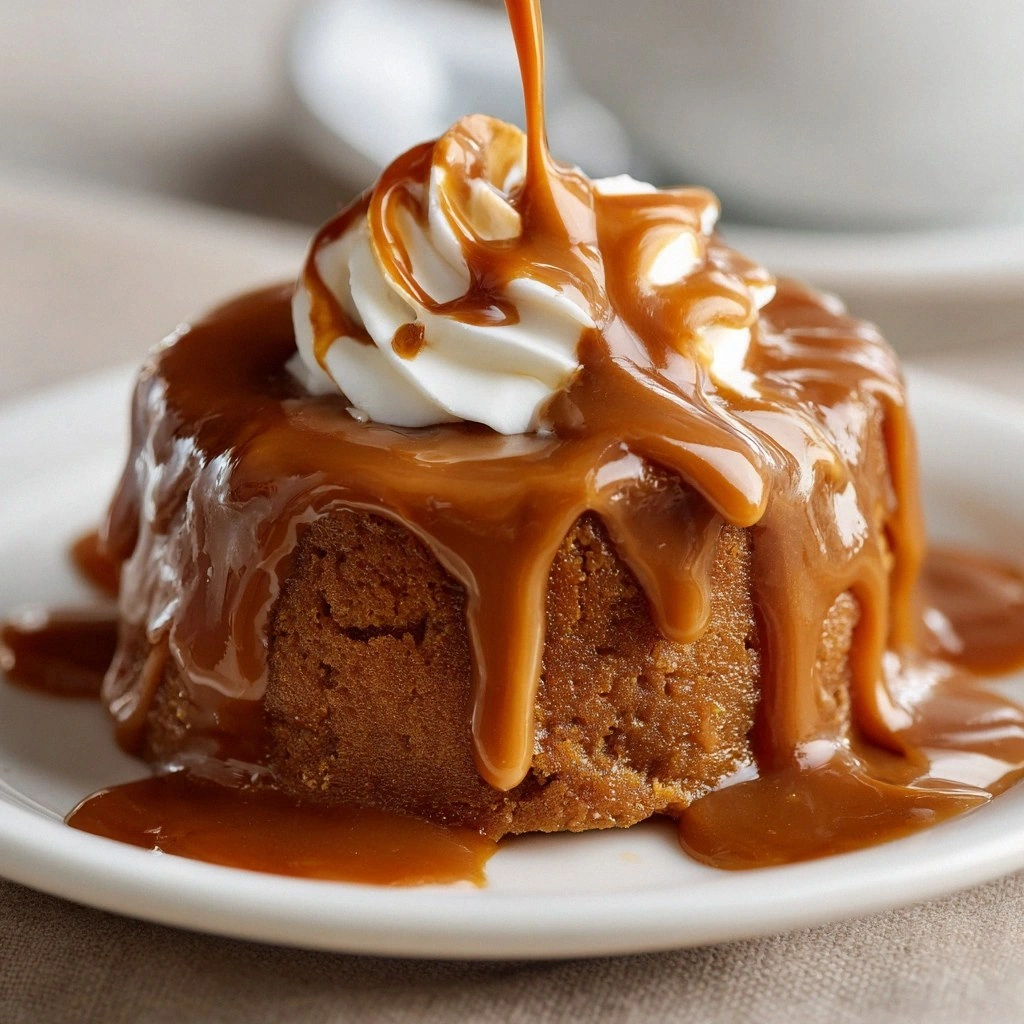
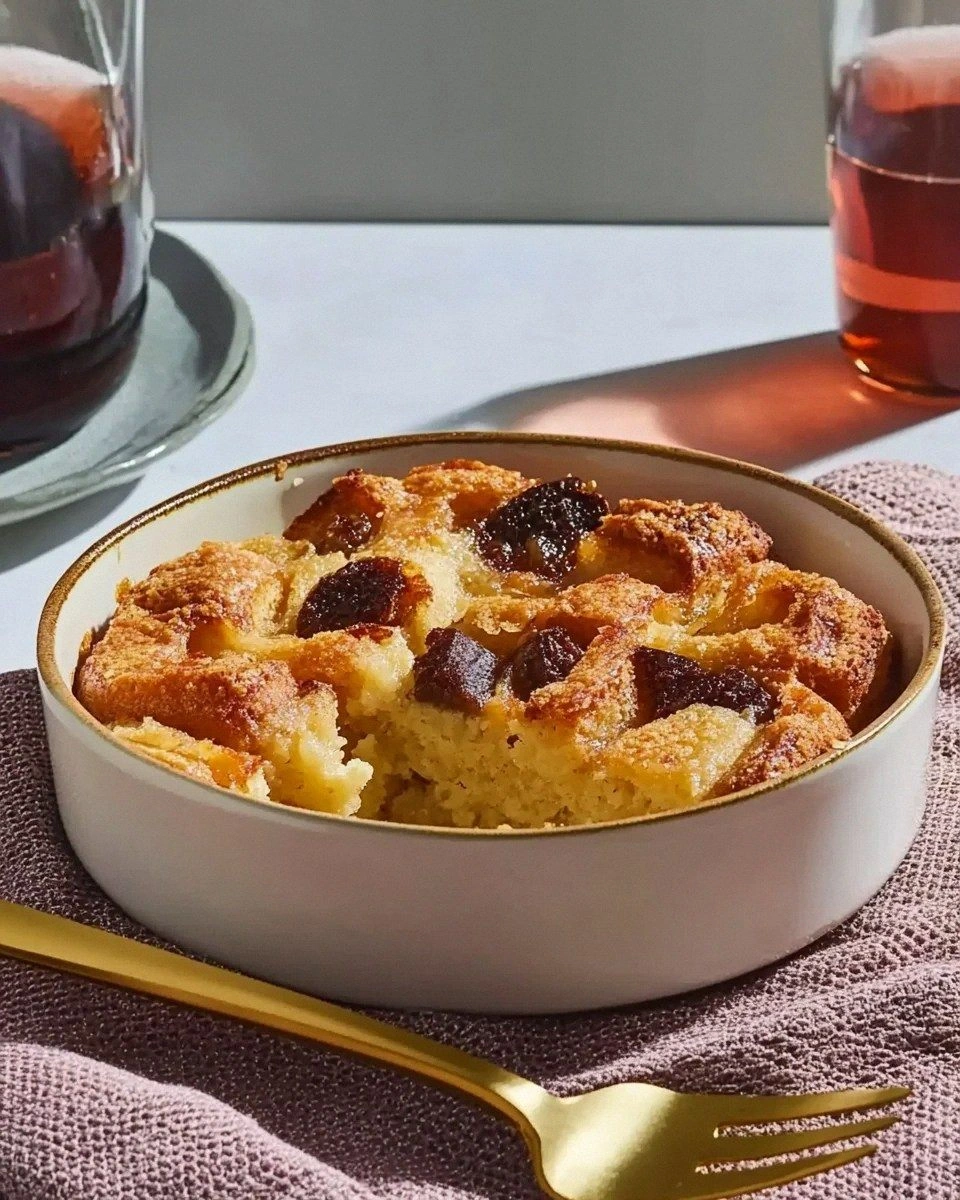
Bread pudding and I have a complicated history. The first time I attempted this custardy masterpiece, I served what can only be described as sweetened cardboard to a table of expectant friends. They politely chewed, eyes darting for the nearest exit, while I mentally drafted my apology speech. Fast-forward three years, dozens of tests, and one epiphany involving day-old brioche and a bourbon splash, and here we are: a version so good I routinely hide a ramekin in the back of the fridge for midnight raids. Picture this — the crust bronzed and crackling, the interior silky like crème anglaire in loaf form, steam spiraling up and carrying hints of vanilla, nutmeg, and caramel. That first spoonful is a warm blanket on a winter evening, the edible equivalent of your favorite song coming on the radio right when you need it.
What changed everything for me was realizing that most recipes treat bread pudding like a catch-all for stale bakery leftovers. Wrong approach. You need to curate your carbs the way a sommelier selects wine. The custard bath should whisper, not shout. The seasoning should tease out complexity, not club you over the head with sugar. And the texture? Oh, the texture should flirt between cloud-light and sinfully rich, never veering into the dreaded sog zone. If you've ever thought bread pudding was just "meh," I dare you to taste this one and not go back for thirds. Yes, thirds — seconds is rookie behavior.
Okay, ready for the game-changer? We'll start by toasting the bread cubes so they retain a gentle chew even after soaking. Then we'll infuse the custard base with brown-buttered sugar, which adds a toffee depth that plain melted butter can't touch. We'll bake low and slow, coaxing the flavors rather than shocking them, and finish under a brief broiler kiss for that crackly lid. The result? A dessert that tastes like it took culinary school training and a full afternoon, when in reality you can bang it out while dinner dishes soak. Stay with me here — this is worth it.
Let me walk you through every single step — by the end, you'll wonder how you ever made it any other way.
What Makes This Version Stand Out
- Brioche Base: Most recipes tell you any old bread will do. They're lying. Brioche, challah, or a lofty Japanese milk bread creates pockets of elasticity that keep the pudding from collapsing into mush.
- Brown-Butter Caramel: We brown half the butter until the milk solids turn hazelnut color, then whisk in brown sugar off-heat. This single move layers in praline notes without extra ingredients.
- Dual-Temperature Bake: Starting at 300 °F sets the custard gently; a final blast at 425 °F for five minutes bronzes the peaks and edges, giving you that crave-worthy contrast.
- Vanilla-Bean Citrus Zest: A whisper of orange zest plus the flecks from half a vanilla bean catapults the aroma into bakery-heaven territory. Extract works, but the bean makes guests ask, "What is that incredible smell?"
- Make-Ahead Magic: You can assemble everything the night before, slide it into the fridge, then bake fresh for brunch. The bread keeps soaking, the flavors meld, and you look like a planning genius.
- Sauce on the Side: Rather than drowning servings in glaze, we whip up a bourbon-crème anglaire to pass around. People can customize sweetness, and leftovers double as pancake syrup. Win-win.
Alright, let's break down exactly what goes into this masterpiece...
Inside the Ingredient List
The Flavor Base
Whole milk and heavy cream form the velvet foundation. Skimp with low-fat versions and you'll get a watery, curdled mess that tastes like diet regret. The fat carries the vanilla, nutmeg, and citrus oils across your palate, rounding sharp edges into mellow harmony. If dairy isn't your friend, go with full-fat coconut milk; expect a tropical note that plays nicely with the orange zest. And please, buy a fresh nutmeg and grate it yourself — the pre-ground stuff tastes like pencil shavings in comparison.
The Texture Crew
Egg yolks equal silk; too many whole eggs equal rubber. We use three yolks plus two whole eggs for a custard that slices cleanly yet quivers like panna cotta. Dark brown sugar contributes molasses undertones and deeper color than white sugar can dream of. A pinch of kosher salt wakes everything up, the same way a frame makes a painting pop. For bread, anything enriched works, but avoid sourdough — the tang clashes with the dessert's gentle sweetness like a cymbal crash in a lullaby.
The Unexpected Star
White chocolate chips tucked into the layers melt into creamy pockets that contrast the darker caramel notes. Don't care for white chocolate? Butterscotch chips or chopped candied ginger offer alternate plot twists. The key is something that melts at a lower temperature than bittersweet chocolate so you get gooey, not gritty, surprises. You'll fold these in right before baking so they stay suspended rather than sinking to the bottom like lost treasure.
The Final Flourish
A tablespoon of bourbon or dark rum vaporizes while baking, leaving behind a smoky perfume. If you're cooking for kids, swap in apple cider for zero proof but keep the vanilla bean for aromatic oomph. Finish with a dusting of demerara sugar right before the broiler moment; it melts into a thin glassy sheet that shatters under the spoon like crème brûlée. That crackle is ninety percent of why people think you're a culinary wizard.
Everything's prepped? Good. Let's get into the real action...
The Method — Step by Step
- Preheat your oven to 300 °F. Grease a 9-inch square baking dish or six individual ramekins with softened butter. The low oven temp prevents the custard from scrambling, buying us time for flavors to meld. Slide a rack to the lower-middle position so the top doesn't brown too early. Swirl the butter up the sides; any ungreased spots will glue the pudding in place like cement.
- Spread bread cubes on a sheet pan and toast for 15 minutes, turning once, until edges feel dry and faintly golden. This step evaporates surface moisture, creating tiny pores that slurp custard without collapsing. The kitchen will smell like warm, yeasty dinner rolls, a preview of coming attractions. Remove and let cool while you start the custard base. Crank oven up to 425 °F for the final bake later.
- In a medium saucepan melt four tablespoons of butter over medium-low heat. Continue cooking until the foam subsides and brown flecks dot the bottom, smelling like hazelnoffee. Swirl, don't stir, so the solids brown evenly. The moment you smell nutty aroma, pull pan off heat and whisk in brown sugar until glossy. Congratulations — you've just made brown-butter caramel in under five minutes.
- Whisk in milk, cream, vanilla bean seeds, orange zest, nutmeg, and salt. Return to low heat just until tiny bubbles rim the pan; you're scalding dairy, not boiling it. Hot liquid dissolves the caramel and tempers the egg yolks later, preventing scrambled curds. Remove from heat, let steep five minutes for zest to release its oils. Your kitchen now smells like Willy Wonka's lab crossed with a Parisian patisserie.
- Beat egg yolks plus whole eggs in a large bowl until homogenous. While whisking constantly, slowly drizzle in the warm dairy mixture. This technique, called tempering, raises yolk temperature gently so proteins don't seize. Think of it as coaxing rather than shocking. Strain custard through a fine-mesh sieve to catch any accidental curds or zest strands; silky texture demands this extra thirty seconds.
- Toss cooled bread cubes into the custard, folding gently with a spatula until every cube is coated. Let stand ten minutes, pressing down occasionally so the bread absorbs custard like a sponge rehydrating. You want the cubes saturated but not disintegrating. Fold in white chocolate chips now so they nestle in crevices rather than sinking. The mixture should look like chunky bread soup; resist adding more bread or you'll end up with a dry, bready brick.
- Pour everything into your prepared dish, pressing lightly to level the top. Drizzle the remaining tablespoon of melted butter across the surface; it encourages browning and adds richness. Place the dish inside a larger roasting pan and add hot water until it reaches halfway up the sides. This water bath insulates the custard, preventing cracks and ensuring even heat. Carefully slide the setup into the 300 °F oven.
- Bake for 35 minutes, then check: the edges should look set while the center jiggles like gelatin. If using a thermometer, you're aiming for 170 °F internal temperature. Remove from water bath, cool ten minutes, then sprinkle demerara sugar on top. Increase oven to 425 °F and return pudding for five minutes or until the surface bubbles and turns amber. Broil for one final minute if you want darker blisters, but don't walk away — it burns faster than you can say "creme brûlée."
That's it — you did it. But hold on, I've got a few more tricks that'll take this to another level...
Insider Tricks for Flawless Results
The Temperature Rule Nobody Follows
Room-temperature eggs and dairy mix more evenly, preventing pockets of dense custard. Pull them from the fridge thirty minutes before you start or submerge cold eggs in warm (not hot) water for five minutes. Cold dairy takes longer to absorb into bread, extending bake time and drying edges. The pudding's final texture should tremble like set Jell-O, not stand stiff like cake. If you've ever struggled with rubbery results, you're not alone — and I've got the fix: gentle heat plus patience.
Why Your Nose Knows Best
When the scent of caramelized sugar drifts from the oven, you're ninety seconds away from perfect doneness. Trust your olfactory alarm more than the timer; ovens vary, humidity fluctuates, but aroma doesn't lie. A lightly toasted marshmallow smell signals the Maillard reaction is in full swing. If you wait for visual browning alone, carry-over cooking may push the custard past silky into scrambled. Pull it when the kitchen smells like a donut shop at sunrise.
The 5-Minute Rest That Changes Everything
Rest the pudding ten minutes after baking; starch networks firm up, custard sets, and molten sugar calms to a crackly sheet. Serve too soon and you'll have bread soup sliding across plates. Rest too long and sugar softens, losing that glass-like snap. Five minutes is the sweet spot for restaurant-style presentation, ten if you want clean slices. Cover loosely with foil if you're waiting longer; trapped steam ruins the crisp lid faster than you can say "oops."
Creative Twists and Variations
This recipe is a playground. Here are some of my favorite ways to switch things up:
Maple-Pecan Breakfast Edition
Swap brown sugar for maple sugar, fold in toasted pecans, and serve with warm maple syrup. Add a strip of candied bacon on top for salty crunch. Brunch guests will build you a shrine.
Tropical Coconut-Lime Escape
Use coconut milk instead of dairy, fold in diced mango, and finish with lime zest. Perfect for summer barbecues or when you want your spoon to feel like a mini vacation.
Chocolate-Chile Rebel
Stir two tablespoons of cocoa powder into the custard and add a pinch of chipotle powder. The smoky heat sneaks up after the chocolate melts on your tongue. Top with cinnamon-dusted whipped cream for full drama.
Savory Herb & Gruyère
Omit sugar, add caramelized onions, fresh thyme, and shredded Gruyère. Serve alongside roast chicken for a side dish that steals the show. Brunch lovers adore it with a fried egg on top.
Pumpkin-Spice October Classic
Mix in ⅓ cup pumpkin purée, pumpkin pie spice, and crushed gingersnaps. Bake in mini ramekins for cute individual portions that scream sweater weather.
Berry-Lemon Zing
Fold in fresh blueberries and lemon curd swirls. The tart berries cut through the richness, making it dangerously easy to inhale a second helping. Perfect when strawberries are cheap and plentiful in late spring.
Storing and Bringing It Back to Life
Fridge Storage
Cool completely, then cover tightly with plastic wrap or transfer to an airtight container. It keeps up to four days, though the sugar crust will soften. Press wrap directly onto the surface to prevent a skin from forming. Store sauce separately so it doesn't weep into the pudding.
Freezer Friendly
Wrap individual portions in plastic, then foil, and freeze up to two months. Thaw overnight in the fridge, not on the counter, to keep texture intact. Reheat in a 300 °F oven for ten minutes; a tiny splash of milk over the top restores moisture. Microwaves work in a pinch, but expect rubbery edges.
Best Reheating Method
Add a teaspoon of milk per serving, cover with foil, and warm at 300 °F for eight minutes. Remove foil for the last two minutes to re-crisp the top. The pudding tastes almost as good as day one, which is why I always make a double batch. Future you will send present you a thank-you note.