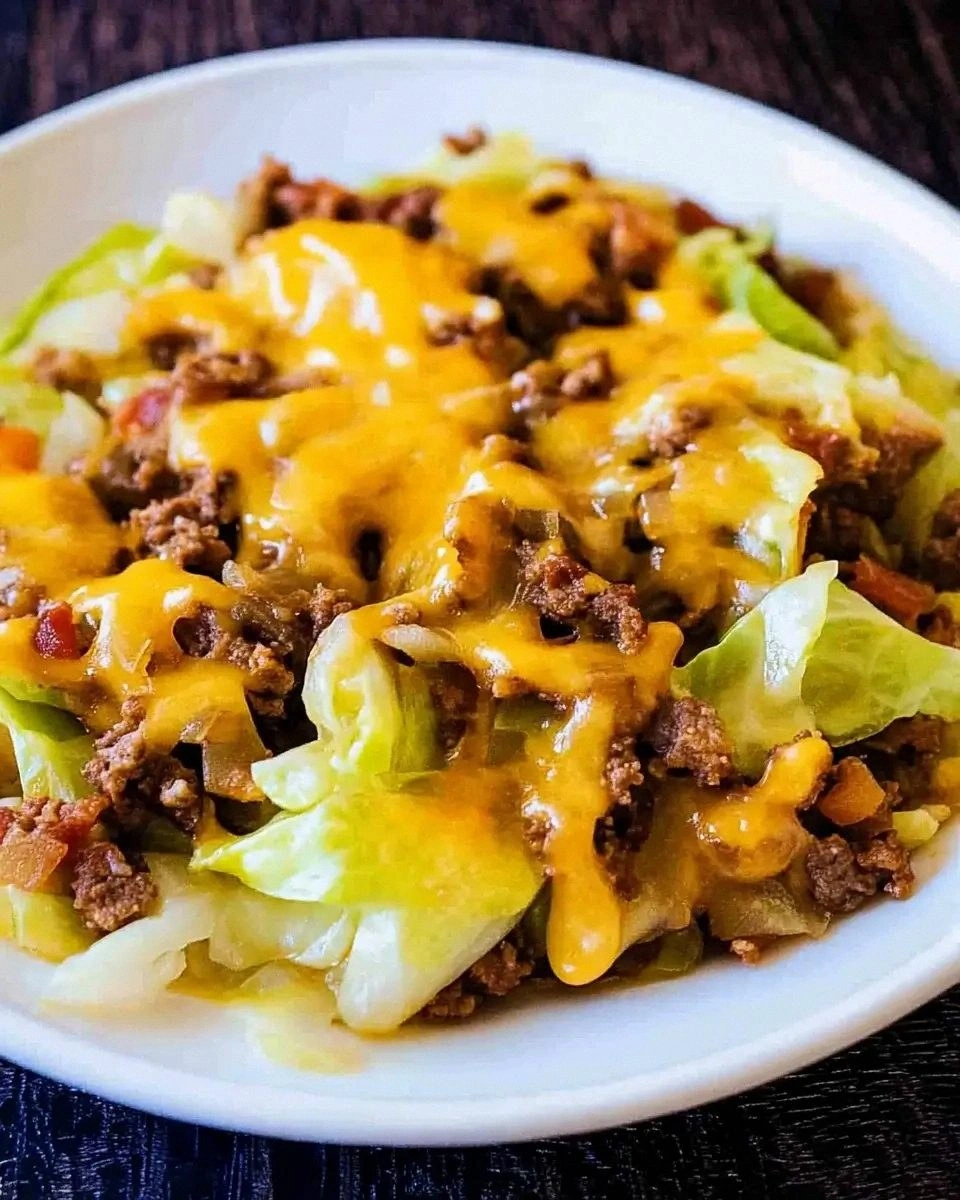
I was standing in my kitchen, staring at a half‑empty pantry and a stubborn craving for something that felt both comforting and exciting. The usual go‑to—store‑bought tacos—just wasn’t cutting it; they tasted like cardboard wrapped in a promise of flavor that never arrived. I tossed a wilted head of cabbage onto the counter, stared at the lean ground beef in the fridge, and thought, “What if I could turn these two humble ingredients into a dinner that makes my taste buds do a happy dance?” That moment of culinary desperation turned into the birth of the ultimate Cabbage Taco Skillet, a dish that smacks of taco night but skips the mess of shells and the guilt of fried tortillas.
Picture this: the sizzle of ground beef hitting a hot pan, the aroma of caramelizing onions (yes, we’ll add them for depth), and the faint, sweet whisper of cabbage as it softens. The sound is a steady, confident hiss—like a secret that the kitchen is about to spill. The colors are vivid, from the deep brown of browned meat to the bright, almost neon green of shredded cabbage, all mingling under a dusting of smoky taco seasoning. The texture? Imagine the beef’s juicy crumble meeting cabbage’s tender crunch, each bite delivering a satisfying contrast that feels both hearty and light.
What makes this version a cut above the rest is the way we treat the cabbage. Most recipes either wilt it into oblivion or toss it in raw, missing the sweet‑to‑savory caramelization that turns ordinary greens into a flavor powerhouse. I’m talking about a gentle sauté that lets the cabbage develop a buttery edge while retaining just enough bite to keep the mouthfeel interesting. This is hands down the best version you’ll ever make at home, and I dare you to taste it and not go back for seconds.
I won’t spoil the surprise just yet, but there’s a secret ingredient that adds a pop of brightness without overwhelming the dish—a splash of freshly squeezed lime and a pinch of smoked paprika that whispers of a backyard grill on a summer night. Okay, ready for the game‑changer? Let me walk you through every single step — by the end, you’ll wonder how you ever made it any other way.
What Makes This Version Stand Out
- Flavor Explosion: The combination of seasoned beef, caramelized cabbage, and a dash of lime creates a layered taste that hits every palate note, from smoky to bright.
- Texture Symphony: You get the juicy crumble of beef, the tender‑yet‑crunchy cabbage, and a hint of crisped edges that shatter like thin ice.
- Simplicity: Fewer than ten ingredients, one pan, and fifteen minutes of active prep make this a weeknight hero.
- Unique Twist: Most taco recipes skip the cabbage or treat it as a garnish; here it’s the star, soaking up the spices and adding volume without extra calories.
- Crowd Reaction: I’ve served this at parties and watched friends ask for the recipe within minutes—no one expects a skillet to be this addictive.
- Ingredient Quality: Using lean ground beef keeps the dish light, while fresh green cabbage supplies a natural crunch and a boost of fiber.
- Cooking Method: The high‑heat sear locks in juices, and the brief deglaze with broth creates a saucy coating that clings to every bite.
- Make‑Ahead Potential: This skillet reheats beautifully, making it perfect for meal‑prepping or a quick lunch the next day.
Alright, let's break down exactly what goes into this masterpiece...
Inside the Ingredient List
The Flavor Base
The backbone of this dish is the lean ground beef. I use a pound of 90 % lean beef because it provides enough fat to stay juicy while keeping the calorie count honest. If you skip the beef, you lose that satisfying umami depth that makes the skillet feel like a proper taco filling. For a twist, try ground turkey or chicken, but be prepared for a slightly milder flavor profile that may need a touch more seasoning.
Next up, the taco seasoning blend—think chili powder, cumin, garlic powder, and a pinch of smoked paprika. This mix coats the beef like a seasoned blanket, ensuring every morsel is bursting with Mexican‑style warmth. If you’re buying pre‑made seasoning, check for added sugars; a homemade blend gives you control and keeps the dish clean.
The Texture Crew
Green cabbage is the hero here. Five cups of shredded cabbage adds volume, crunch, and a subtle sweetness that balances the beef’s richness. The key is to slice it thin—think paper‑thin ribbons—so it softens quickly without turning soggy. If you use a coarser chop, the cabbage will dominate the texture and you’ll miss that delicate bite.
A splash of olive oil helps the cabbage sauté without sticking, and it adds a silky mouthfeel that ties the whole skillet together. Should you be watching your fat intake, a light spray of cooking oil works just as well, though you’ll lose a hint of that buttery finish.
The Unexpected Star
Lime juice isn’t just garnish; it’s a flavor amplifier. The acidity cuts through the meat’s richness and lifts the cabbage’s natural sweetness, creating a bright finish that makes the dish sing. If you’re out of fresh limes, a teaspoon of white wine vinegar can stand in, but the citrus sparkle will be missed.
A handful of fresh cilantro, added at the very end, brings an herbaceous freshness that contrasts beautifully with the warm spices. Cilantro is optional—some people love it, some people hate it—but it’s worth the extra minute of chopping for the flavor depth.
The Final Flourish
A modest amount of shredded cheese (like a sharp cheddar or a Mexican blend) melts into the hot skillet, creating a glossy coating that hugs each bite. This is optional for those who prefer a dairy‑free version, but the cheese adds a creamy richness that many consider essential.
Finally, a pinch of sea salt and a grind of fresh black pepper bring everything into balance. Season gradually, tasting as you go, because the beef and seasoning already carry a lot of flavor. Over‑salting is the most common mistake; a little goes a long way.
Everything's prepped? Good. Let's get into the real action...
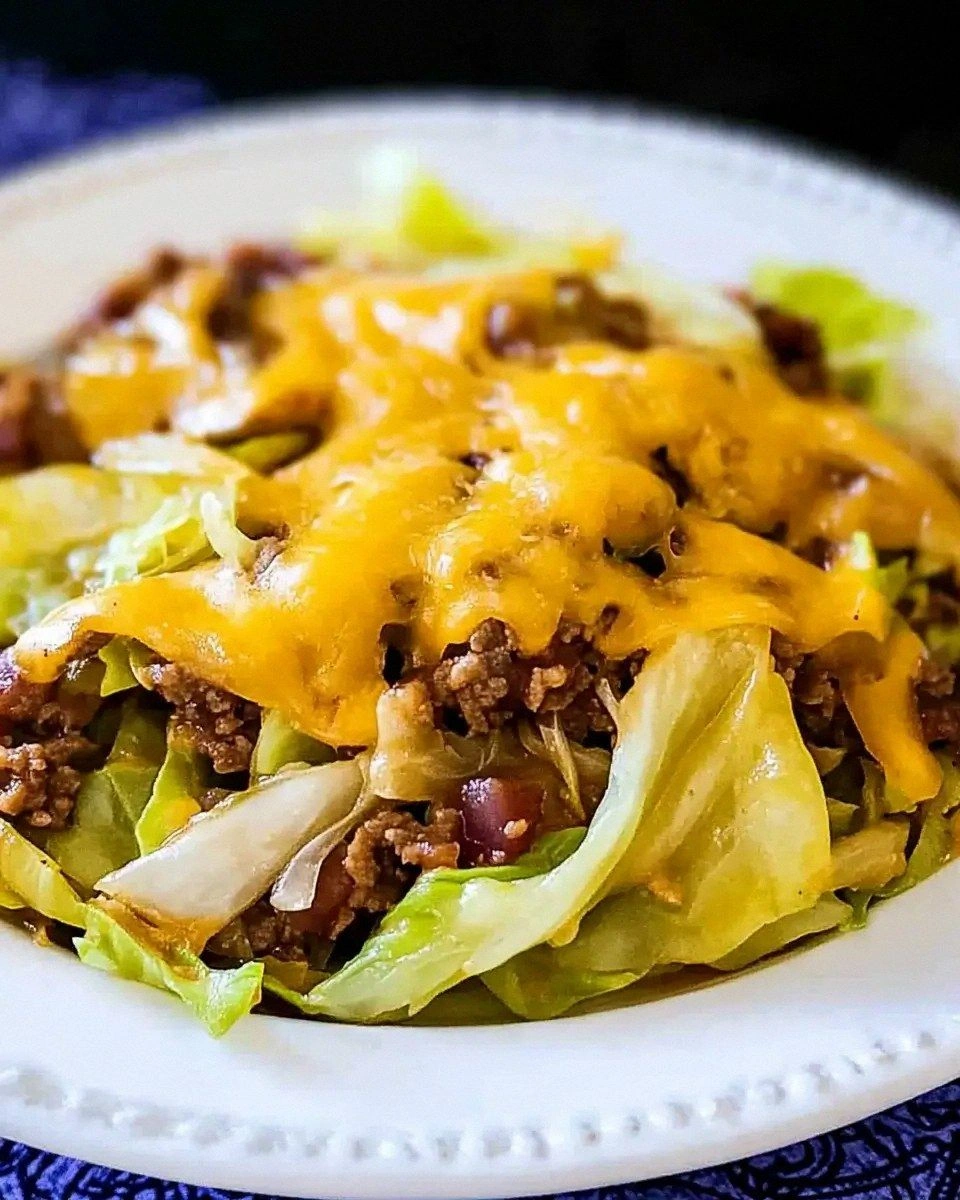
The Method — Step by Step
Heat a large cast‑iron skillet over medium‑high heat and add a tablespoon of olive oil. When the oil shimmers—think a mirror surface—you’ll hear that satisfying sizzle that says, “We’re about to build flavor.” Let the oil coat the bottom evenly; this prevents sticking and creates a nice sear on the meat.
Kitchen Hack: Use a splatter guard for the first two minutes; it keeps the kitchen clean while you focus on browning.Add the pound of lean ground beef, breaking it up with a wooden spoon. Let it sit untouched for about 30 seconds so a crust can form—this is the moment of truth for a good sear. After the crust appears, crumble the meat, stirring occasionally until it’s evenly browned and no longer pink.
Stir in the taco seasoning blend (about 2 tablespoons) and a pinch of smoked paprika. As the spices hit the hot meat, they’ll release aromatic oils that fill the kitchen with a smoky, earthy perfume. Cook for another minute, letting the spices toast lightly—this prevents a raw, powdery taste.
Watch Out: If you add the seasoning too early, it can burn and turn bitter; always add after the meat has browned.Push the beef to one side of the pan and add the shredded cabbage to the empty space, letting it sit for about 20 seconds before stirring. This technique—called “staggered sauté”—allows the cabbage to get a quick flash of high heat, preserving its crunch while still absorbing the flavors.
Stir the cabbage into the beef, mixing thoroughly. Sprinkle a pinch of sea salt and a grind of fresh black pepper. Continue cooking for 5‑7 minutes, stirring occasionally, until the cabbage softens but still has a slight bite. The edges should start to caramelize, giving the skillet a golden‑brown speckle.
Deglaze the pan with a splash (about ¼ cup) of low‑sodium chicken broth or water. Scrape the browned bits from the bottom of the skillet—those are flavor gold. Let the liquid reduce for 2‑3 minutes, allowing it to thicken into a light sauce that clings to every morsel.
Turn off the heat and immediately drizzle the fresh lime juice over the skillet. Toss everything together so the citrus coats each bite. This is the final flavor pop that turns a good dish into a great one.
If you’re using cheese, sprinkle it over the hot skillet now; the residual heat will melt it into silky ribbons. Finish with a generous handful of chopped cilantro and, if you like, a few extra lime wedges on the side for those who want an extra zing.
Serve the skillet straight from the pan, pairing it with warm tortillas, a dollop of Greek yogurt, or simply as a standalone plate. Picture yourself pulling this out of the skillet, the whole kitchen smelling incredible, and the first bite delivering a perfect balance of smoky, tangy, and crunchy. I dare you to taste this and not go back for seconds.
That's it — you did it. But hold on, I've got a few more tricks that'll take this to another level...
Insider Tricks for Flawless Results
The Temperature Rule Nobody Follows
Never rush the sear by turning the heat up too high; a moderate medium‑high allows the beef to develop a crust without scorching. I once tried cooking on full blast and ended up with a burnt flavor that overpowered everything else. Keep the pan at a steady temperature, and you’ll get that caramelized edge that makes the dish feel restaurant‑grade.
Why Your Nose Knows Best
Your sense of smell is a more reliable indicator than a timer. When the spices hit the pan, they release a fragrant plume—if you can smell the smoky cumin and a hint of sweet paprika, you’re ready to move on. If the scent is muted, give the spices another 30 seconds; they need that brief toast to unlock their full potential.
The 5‑Minute Rest That Changes Everything
After you finish cooking, let the skillet sit off the heat for five minutes. This rest period allows the juices to redistribute, preventing a dry bite. I used to skip this step and was always left with a slightly dry texture; now I never forget, and the difference is night and day.
Cabbage Prep Shortcut
Instead of shredding the cabbage by hand, use a food processor with the shredding blade. It’s faster, and the uniform ribbons cook more evenly. Just be careful not to over‑process; you want those thin strips, not a mushy pile.
Lime Timing Trick
Add lime juice at the very end, right before serving. If you add it too early, the acidity can break down the cabbage’s texture, making it soggy. A final squeeze keeps the bright flavor fresh and the cabbage pleasantly crisp.
Creative Twists and Variations
This recipe is a playground. Here are some of my favorite ways to switch things up:
Southwest Black Bean Boost
Swap half of the beef for a can of drained black beans. The beans add a creamy texture and extra protein, making the dish vegetarian‑friendly while keeping the heartiness you love.
Spicy Chipotle Kick
Add a teaspoon of chipotle in adobo sauce for smoky heat. The chipotle’s depth pairs perfectly with the cabbage’s sweetness, and it’s a great way to impress spice‑lovers.
Asian Fusion Flair
Replace the taco seasoning with a blend of soy sauce, ginger, and a splash of sesame oil. Top with toasted sesame seeds and sliced scallions for a cross‑cultural delight.
Cheesy Tex‑Mex Melt
Stir in a generous handful of shredded Monterey Jack and a dollop of sour cream right before serving. The cheese creates a gooey blanket, while the sour cream adds a cooling tang.
Crispy Tortilla Crumble
Break a few corn tortillas into bite‑size pieces, toss them in oil, and crisp them in a separate pan. Sprinkle the crumbles over the finished skillet for an extra crunch that mimics the texture of a taco shell.
Storing and Bringing It Back to Life
Fridge Storage
Transfer leftovers to an airtight container and store in the refrigerator for up to three days. The cabbage holds its texture, and the beef stays juicy when reheated gently.
Freezer Friendly
Cool the skillet completely, then portion into freezer‑safe bags or containers. It freezes well for up to two months. When you’re ready to eat, thaw overnight in the fridge and reheat in a skillet with a splash of broth.
Best Reheating Method
Reheat on the stovetop over medium heat, adding a tablespoon of water or broth to create steam. This revives the cabbage’s crunch and prevents the beef from drying out. A quick squeeze of fresh lime before serving restores that bright finish.