Picture this: It's Sunday afternoon, the kind where the sun streams through your kitchen window like it's auditioning for a cooking show, and your citrus bowl is practically glowing with lemons, limes, and oranges that have been giving you side-eye all week. You promised yourself you'd bake something, but every recipe you've tried lately tastes like sweet cardboard with a whisper of citrus that's gone by the time you swallow. I've been there, friend. I once made lemon cookies that could've doubled as hockey pucks, and don't even get me started on the time my orange shortbread spread into one giant, sad pancake across the baking sheet.
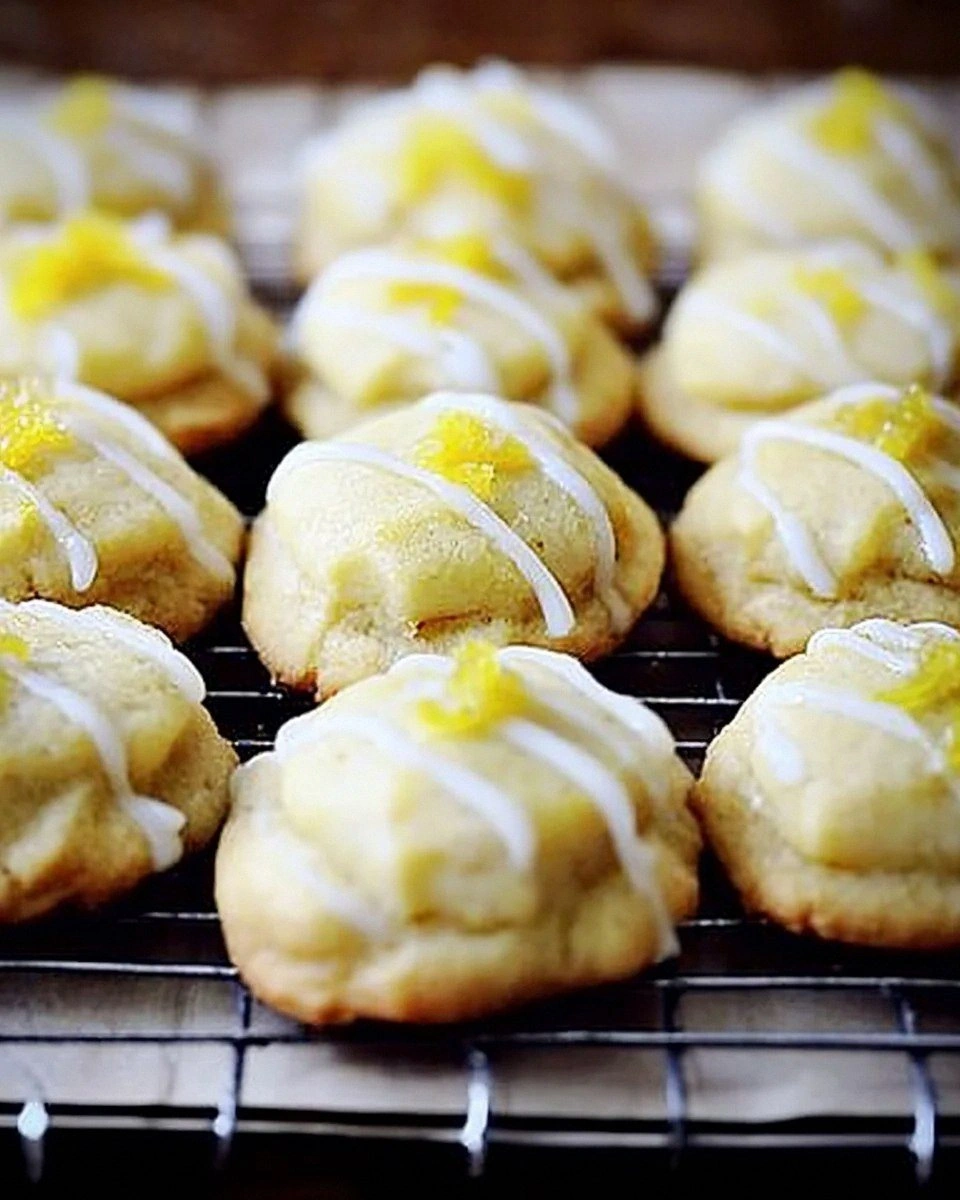
But here's where the story takes a turn that'll make your taste buds do a happy dance. After months of obsessive testing (and eating my way through more butter than I care to admit), I cracked the code on what might be the most addictive cookie to ever grace a cookie jar. These citrus butter cookies aren't just another pretty face in the baking world — they're the love child of a French pastry chef's precision and your grandma's comfort food magic. The edges shatter like delicate porcelain, giving way to a center so tender it practically dissolves on your tongue, while bursts of citrus essence dance across your palate like sunshine in edible form.
What makes these little gems different from every other citrus cookie recipe cluttering the internet? It's not just one thing — it's the way we coax every last drop of flavor from the citrus, the temperature trick that keeps them from spreading into puddles, and the secret ratio of butter to flour that creates that impossible melt-in-your-mouth texture. I dare you to taste one of these cookies and not immediately reach for another, then another, until suddenly you're staring at an empty cooling rack wondering where the afternoon went.
The real game-changer happens when we take the time to infuse the butter with citrus zest before we even start mixing — a step most recipes skip entirely because they're in too much of a rush. This isn't just baking; it's alchemy. We're transforming humble ingredients into something that'll make your neighbors suddenly very interested in dropping by for coffee. Let me walk you through every single step — by the end, you'll wonder how you ever made it any other way.
What Makes This Version Stand Out
Before we dive into the nitty-gritty, let me give you the inside scoop on why these cookies will ruin all other citrus cookies for you forever. I've tested dozens of recipes, and most of them fall into two camps: either they're so subtle you need a detective's nose to find the citrus, or they're so aggressive with the zest that your mouth puckers like you've bitten into a lemon whole. This version? It's the Goldilocks of citrus cookies — just right.
- Triple-Threat Citrus: We're not playing favorites here — lemon, lime, and orange zest create a complex citrus symphony that hits different notes with every bite. The lemon brings brightness, lime adds a tropical twist, and orange rounds everything out with honey-like sweetness.
- Butter-Infused Magic: Instead of just throwing zest into the dough and hoping for the best, we gently warm the butter with the citrus oils, creating an infusion that permeates every single molecule of these cookies. This isn't just flavor — it's flavor that's been to finishing school.
- Texture That Defies Physics: How do we get cookies that are simultaneously crisp and tender? The secret lies in the ratio of butter to flour and the way we handle the dough. These cookies have edges that snap like the finest shortbread but centers that dissolve like cotton candy.
- No-Spread Guarantee: Remember those sad pancake cookies I mentioned? Never again. Our chilling method and butter temperature ensure these beauties hold their shape like little soldiers, creating those perfect ridges from your cookie stamp or cutout edges that stay sharp.
- Make-Ahead Champion: The dough freezes like a dream, meaning you can have fresh-baked citrus cookies whenever the craving strikes. I've got three logs wrapped in my freezer right now — don't judge me.
- Vanilla's Secret Role: A whisper of vanilla doesn't compete with the citrus — it amplifies it, creating depth that makes people ask "what's that amazing flavor?" after they've already devoured three cookies.
Alright, let's break down exactly what goes into this masterpiece...
Inside the Ingredient List
Great baking starts with understanding your ingredients like they're characters in a novel — each one has a backstory, a purpose, and a specific role to play in the final drama. When I first started developing this recipe, I treated butter like a supporting actor. Big mistake. In these cookies, butter is the star, the director, and the producer all rolled into one golden package.
The Flavor Base
European-style butter with its higher fat content (82% versus the standard 80%) creates cookies that are richer and more tender than anything you've pulled from a bakery case. The extra fat carries flavors better, which means that citrus essence we're infusing doesn't just sit there — it travels through every bite like a VIP guest. If you can't find European butter, look for butter labeled "cultured" — those tangy notes play beautifully with citrus.
Our trio of citrus fruits isn't just for show. Lemons provide the bright, familiar acidity that makes your mouth water in anticipation. Limes bring a tropical, slightly floral note that makes people say "there's something different about these." Oranges round out the profile with their honeyed sweetness, preventing the cookies from being too tart. Together, they create a citrus experience that's more complex than a season of your favorite drama.
The Texture Crew
Cake flour might seem like an odd choice for cookies, but here's where we get scientific. Cake flour has less protein than all-purpose, which means less gluten development and more tender cookies. It's like the difference between a gentle hug and a bear squeeze — both are nice, but one leaves you feeling more relaxed. The lower protein content also means our cookies stay tender even after they've cooled completely.
Confectioners' sugar isn't just about sweetness — it's about texture. The cornstarch that's added to prevent clumping also helps create that melt-in-your-mouth sensation we're after. Regular granulated sugar would make these cookies crisp like a sugar cookie, but confectioners' sugar makes them disappear on your tongue like a citrus-scented cloud.
The Unexpected Star
Egg yolks are the unsung heroes of tender cookies. While egg whites provide structure and can make cookies tough, yolks add richness and help create that tender crumb we're after. They also act as an emulsifier, helping the butter and flour combine smoothly. Think of them as the diplomatic negotiator that keeps all the other ingredients playing nicely together.
The Final Flourish
Vanilla extract might seem unnecessary when we've got all this citrus action happening, but leaving it out would be like forgetting the bass line in your favorite song — everything else just sounds off. The vanilla rounds out the sharp edges of the citrus, adding warmth and depth that makes people ask for your secret ingredient. Use the good stuff here, not the artificial vanilla flavoring that's been sitting in your pantry since 2015.
Everything's prepped? Good. Let's get into the real action...
The Method — Step by Step
- Infuse the Butter: In a small saucepan over the lowest heat setting, melt your butter with the citrus zests. This isn't about browning or bubbling — we're just warming it enough to coax those essential oils out of the zest and into the butter. Stir gently for about 5 minutes, watching as the butter turns from pale yellow to a deeper golden color. Your kitchen will start smelling like a citrus grove in full bloom, and this is when you know magic is happening. Remove from heat and let this mixture cool until it's just warm to the touch, about 15 minutes.
- Create the Dough Base: In the bowl of your stand mixer (or a large bowl if you're going manual), cream the infused butter with the confectioners' sugar until the mixture looks like pale, citrus-scented clouds. This takes about 3-4 minutes on medium speed — don't rush it. The butter needs to incorporate air, which will give our cookies lift and that tender crumb we're after. Scrape down the sides of the bowl twice during this process because nobody wants pockets of unmixed butter in their cookies.
- Add the Binding Agents: Beat in the egg yolks one at a time, letting each one fully incorporate before adding the next. Add the vanilla extract and mix until combined. The mixture should look like sunshine in a bowl — golden, glossy, and so fragrant you'll be tempted to eat it with a spoon. Resist that urge, though I won't judge if you sneak a tiny taste.
- Bring in the Dry Team: In a separate bowl, whisk together the cake flour and salt. With the mixer on low, add the flour mixture to the butter mixture in three additions. Mix just until the flour disappears — overmixing here is the enemy of tender cookies. The dough will be soft and slightly sticky, like Play-Doh that's been left out for a few minutes.
- Shape and Chill: Turn the dough out onto a sheet of plastic wrap. Shape it into a log about 2 inches in diameter, rolling it back and forth to smooth the surface. Wrap tightly and refrigerate for at least 2 hours, or up to 3 days. This chilling step isn't optional — it's what prevents our cookies from spreading into citrus-scented puddles. I'll be honest, I ate half the batch before anyone else got to try it when I skipped this step once.
- Slice with Precision: When you're ready to bake, preheat your oven to 350°F. Unwrap the chilled dough log and slice into 1/4-inch thick rounds using a sharp knife. Rotate the log as you slice to maintain the round shape. If the dough cracks, let it sit at room temperature for 5 minutes — cold dough slices cleaner than room temperature dough. Place the slices on a parchment-lined baking sheet, leaving 1 inch between cookies because they do spread slightly.
- Bake to Perfection: Bake for 12-15 minutes, until the edges are just starting to turn golden. The centers should still look slightly pale — they'll continue cooking on the hot pan after you remove them from the oven. This is the moment of truth: pull them out too early and they're doughy, too late and they're crispy throughout. The perfect cookie has golden edges and a pale center that melts in your mouth.
- Cool and Set: Let the cookies cool on the baking sheet for 5 minutes — this is crucial for setting the structure. Then transfer to a wire rack to cool completely. Resist the urge to sample one warm, as tempting as it is. The flavor develops as they cool, and the texture transforms from soft to that perfect melt-in-your-mouth consistency.
That's it — you did it. But hold on, I've got a few more tricks that'll take this to another level...
Insider Tricks for Flawless Results
The Temperature Rule Nobody Follows
Here's the thing about butter temperature — everyone talks about room temperature, but nobody defines what that actually means. For these cookies, your butter should be cool but pliable, like play-doh that's been sitting out for 20 minutes. Press your finger into it — it should leave an indentation but not feel greasy or melted. Too cold and it won't incorporate air properly, too warm and your cookies will spread like gossip in a small town. I keep a kitchen thermometer handy and aim for 65-67°F.
Why Your Nose Knows Best
Don't underestimate the power of your sense of smell during the infusion step. When the butter and zest are warming together, you're looking for a fragrance that's bright and pronounced but not sharp or bitter. If it starts smelling like furniture polish, you've gone too far and the heat is too high. The perfect infusion smells like you're walking through a citrus grove at sunrise — fresh, clean, and invigorating. Trust your nose over the timer here.
The 5-Minute Rest That Changes Everything
After you slice the chilled dough but before you bake, let the cookies sit at room temperature for exactly 5 minutes. This brief rest takes the chill off just enough to prevent the cookies from cracking on top during baking, but not so long that they lose their shape. It's like letting a steak come to temperature before searing — a small step that makes a huge difference in the final result.
The Zesting Technique That Maximizes Flavor
Most people zest citrus like they're grating cheese — back and forth, applying pressure. But citrus zest is delicate, and aggressive grating can release bitter compounds from the white pith. Instead, use light, quick strokes in one direction only. Rotate the fruit as you work, and stop when you start seeing white. Think of it like you're dusting for fingerprints rather than shredding carrots.
Creative Twists and Variations
This recipe is a playground. Here are some of my favorite ways to switch things up:
The Tropical Vacation
Swap the orange zest for grapefruit zest and add 1/2 cup of toasted coconut to the dough. The grapefruit brings a sophisticated bitterness that pairs beautifully with the sweet coconut, transporting you straight to a beachside café. These are especially good sandwiched with a white chocolate ganache that's been infused with lime zest.
The Herb Garden Surprise
Add 1 tablespoon of finely minced fresh rosemary to the butter during the infusion step. The piney, resinous notes of rosemary create an unexpected but delightful contrast with the citrus. These sophisticated cookies pair beautifully with afternoon tea or a glass of crisp white wine. Your dinner party guests will be asking for the recipe before the evening ends.
The Chocolate-Citrus Mashup
Drizzle cooled cookies with dark chocolate that's been infused with orange zest. The combination of dark chocolate and bright citrus is like a sophisticated version of those chocolate oranges you get at Christmas, but infinitely more refined. Use a good quality 70% chocolate for the best balance of sweet and bitter.
The Spiced Winter Version
Add 1/2 teaspoon of ground cardamom and 1/4 teaspoon of ground ginger to the flour mixture. These warm spices complement the citrus beautifully, creating cookies that taste like sunshine even in the dead of winter. They're especially good with a cup of chai tea on a cold afternoon.
The Boozy Grown-Up
Replace the vanilla extract with 1 tablespoon of Grand Marnier or Cointreau. The orange liqueur amplifies the citrus notes while adding complexity that makes these cookies decidedly adult. Perfect for holiday cookie exchanges where you want to bring something that stands out from the usual suspects.
The Salty-Sweet Obsession
Sprinkle the tops of the cookies with a few flakes of sea salt before baking. The salt crystals create little pockets of savory surprise that make the citrus flavors pop even more. It's like turning the volume up on your favorite song — everything just becomes more intense and satisfying.
Storing and Bringing It Back to Life
Fridge Storage
Store completely cooled cookies in an airtight container at room temperature for up to 1 week. Layer them between sheets of wax paper or parchment to prevent sticking. The flavor actually improves after the first day as the citrus oils have time to meld with the butter. If they start to lose their crispness, pop them in a 300°F oven for 5 minutes to refresh them.
Freezer Friendly
These cookies freeze beautifully either baked or unbaked. For baked cookies, cool completely, then freeze in a single layer before transferring to a freezer bag. They'll keep for up to 3 months and thaw in about 30 minutes at room temperature. For unbaked dough, wrap the log tightly in plastic wrap, then in foil, and freeze for up to 3 months. Slice and bake from frozen, adding 2-3 minutes to the baking time.
Best Reheating Method
If your cookies have gone soft (though they rarely last long enough for this to happen), refresh them in a 300°F oven for 5-7 minutes. Let them cool completely before serving — this brief stint in the oven re-crispers the edges while keeping the centers tender. It's like hitting the reset button on freshness.