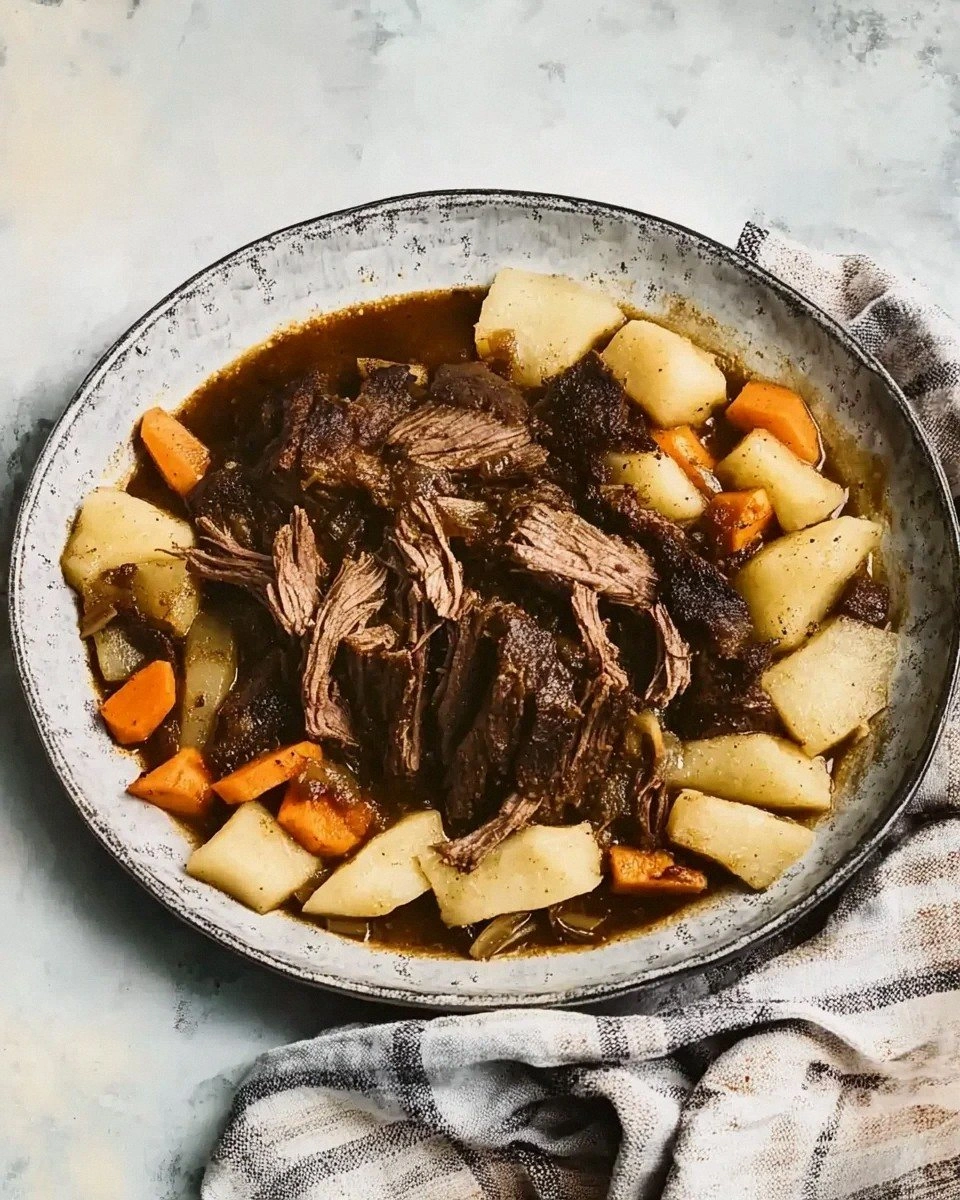
I remember the night my friend dared me to cook a stew that would make everyone beg for seconds, and I took that dare as seriously as a chef on a cooking show. The kitchen was a battlefield of aromas, sizzling onions and garlic, the metallic clink of pans, and the comforting promise of something warm. I was determined to create a dish that would not only satisfy hunger but also stir the soul. The idea was simple: take familiar comfort foods and elevate them with bold flavors and silky textures. By the end of the evening, the stove smelled like a cozy cabin, and the family gathered around, eyes wide with anticipation.
The first time I tasted the stew, I realized the secret lay in the layers of flavor, not just the ingredients. Each bite unfolded like a story, starting with the caramelized onion, moving to the tender chicken, and finishing with a velvety splash of cream that coated the vegetables like a silky blanket. The peppery bite of the sausage mingled with the earthy thyme, while the peas added a pop of color that made the dish feel lively. I dared you to taste this and not go back for seconds—if you do, you’ll know it’s the best version you'll ever make at home. The moment the first spoon hit your tongue, you’ll feel the kitchen’s warmth seep into your bones.
Picture yourself pulling this out of the pot, the whole kitchen smelling incredible, and the steam rising like a fragrant cloud. The sound of the broth simmering is a lullaby, the sizzle of the sausage a promise of comfort. Every ingredient is chosen for its ability to enhance the others, creating a harmony that feels both familiar and adventurous. If you've ever struggled to make a stew that feels cohesive, you're not alone—and I've got the fix. The result is a creamy chicken sausage stew that feels like a hug from the inside.
What makes this version stand out is not just the ingredients but the technique. I experimented with a slow-sauté first, letting the onions caramelize before adding the sausage, which released a deep umami that permeates the broth. Then, I introduced the cream at the right moment, ensuring it thickens without curdling. The balance of spices is precise—thyme and oregano give a Mediterranean kick, while the pepper adds a subtle heat that lingers. The result is a stew that feels luxurious yet approachable, ready to serve a crowd or to be enjoyed a second time.
I’ll be honest—half the batch was gone before anyone else got to try it. The first spoon was so good that my friends begged for the recipe, and I had to share it with a smile. The next time you make this stew, you’ll notice that the flavors deepen as it sits, making it even more satisfying the next day. The texture is silky, the broth rich, and the overall dish feels like a culinary masterpiece. I’m excited to share every detail, because this is a recipe that deserves to be celebrated.
Let me walk you through every single step—by the end, you'll wonder how you ever made it any other way. From the first sizzle to the final garnish, each moment is crafted to bring out the best in every ingredient. I promise you’ll learn a trick or two that will elevate not just this stew, but your cooking repertoire as a whole. Ready? Let's dive in.
What Makes This Version Stand Out
- Flavor Depth: The caramelized onions form a sweet base that balances the savory sausage and chicken. Each ingredient is layered to build complexity, creating a dish that sings with every bite.
- Texture Contrast: The creamy sauce coats the vegetables like velvet, while the sausage provides a satisfying chew. The peas burst with freshness, adding a lively crunch.
- Ingredient Quality: Using fresh, high‑grade chicken breast and sausage ensures that the stew is lean yet flavorful. Fresh herbs elevate the dish without overpowering.
- Easy Simplicity: Despite its gourmet feel, the recipe requires minimal prep and a single pot, making it a go‑to for busy nights.
- Make‑Ahead Friendly: The stew tastes even better the next day, making it ideal for meal prep or a quick dinner after a long day.
- Versatility: Swap sausage for a plant‑based option, or add a splash of wine for a richer broth, and the stew adapts effortlessly.
- Crowd‑Pleaser: The combination of familiar comfort foods with a touch of elegance ensures that guests will keep asking for seconds.
- Seasonal Flexibility: While it’s perfect for fall, the dish works year‑round with seasonal veggies.
Alright, let's break down exactly what goes into this masterpiece…
Inside the Ingredient List
The Flavor Base
Onion is the cornerstone of any stew, providing a sweet, savory foundation that balances the other ingredients. When sautéed until translucent, it releases natural sugars that caramelize, creating a subtle sweetness that pairs beautifully with the hearty sausage. Skipping the onion would leave the stew feeling flat and under‑developed; the dish would lack that essential depth that makes each bite memorable. If you’re short on time, a quick sauté in a splash of olive oil will still deliver the necessary flavor boost.
Garlic is the aromatic hero that elevates the entire dish. Its pungent bite cuts through the richness of the cream and balances the earthiness of the thyme. Adding garlic early in the cooking process allows its flavors to infuse the oil, ensuring every component carries that subtle warmth. If you’re allergic or simply dislike raw garlic, a pinch of garlic powder can be a suitable alternative, but the fresh cloves give a more vibrant profile.
The Texture Crew
Chicken breast adds lean protein and a tender bite that contrasts the sausage’s chew. Cutting the breast into bite‑size cubes ensures even cooking and quick absorption of the broth’s flavors. If you prefer a slightly richer protein, substitute with chicken thighs; they’ll impart a deeper, more succulent taste.
Carrots and celery bring natural sweetness and crunch, balancing the stew’s creamy texture. Their fibrous structure holds up well during the simmer, preventing mushiness. A quick blanch before adding to the pot can soften them slightly, but I prefer the slight bite they provide after a full simmer.
The Unexpected Star
Frozen peas are a convenient and vibrant addition that adds a pop of color and a burst of freshness. Their sweet flavor cuts through the richness of the cream, creating a well‑rounded taste. If you can’t find frozen peas, fresh or canned peas work as well; just be mindful of their water content to avoid diluting the broth.
The Final Flourish
Heavy cream is the silky finishing touch that transforms the stew into a luxurious experience. It thickens the broth into a velvety sauce that clings to every vegetable and protein. If you’re watching calories, a light cream or half‑and‑half will still provide the desired texture while cutting fat. A splash of white wine before adding the cream can add a subtle acidity that brightens the dish.
Everything's prepped? Good. Let's get into the real action…

The Method — Step by Step
- Heat a large Dutch oven over medium heat and drizzle in 2 tablespoons of olive oil. Once the oil shimmers, add the diced onion and a pinch of salt, cooking until the onion turns translucent and starts to caramelize. This slow sauté brings out the natural sugars that form the stew’s sweet base. Keep the heat moderate to avoid burning the onions, which would introduce bitterness. When the onion is ready, give the pot a quick shake to ensure even browning.
- Add the sliced chicken sausage to the pot, letting it brown on all sides. The sausage’s fat renders out, creating a flavorful bed for the rest of the ingredients. Stir frequently to prevent sticking and to ensure even browning. As the sausage cooks, you’ll notice the aroma intensify, signaling that the base is forming. Once the sausage is golden, move on to the next step.
- Introduce the diced chicken breast, ensuring the pieces are evenly coated with the sausage’s rendered fat. This step allows the chicken to absorb the savory flavors early in the cooking process. While the chicken cooks, add the minced garlic, letting it infuse the oil for a few seconds before it starts to brown. The garlic’s aroma should be sweet and fragrant, indicating that it’s ready to contribute to the stew’s depth. Let the mixture simmer for about 3 minutes, allowing the chicken to begin tenderizing.
- Pour in 3 cups of chicken broth, ensuring all the browned bits are loosened from the bottom of the pot. This is where the stew’s liquid base comes alive. Stir well, then bring the mixture to a gentle simmer. The simmering time allows the flavors to meld together, creating a cohesive taste profile. Keep the heat low enough that the broth stays at a steady simmer, not a rolling boil.
- Add the diced carrots, celery, and red bell pepper to the pot. These vegetables provide sweetness and crunch, balancing the cream’s richness. Stir the mixture, ensuring the vegetables are fully submerged in the broth. The vegetables should begin to soften after about 8 minutes, but retain a slight bite for texture. This step is crucial for a well‑structured stew.
- Stir in 1 cup of frozen peas, allowing them to heat through for about 3 minutes. The peas add a bright splash of color and a sweet finish to the stew. As they cook, they release a gentle sweetness that complements the savory elements. This step also adds a layer of texture, providing a pleasant contrast to the creamy sauce.
- Reduce the heat to low and pour in 1 cup of heavy cream, stirring continuously. The cream should be added gradually to avoid curdling; keep the pot at a low simmer. The sauce will thicken slightly, coating the vegetables and proteins in a silky finish. Taste and adjust the seasoning with salt, pepper, thyme, and oregano. The final flavor should be balanced, with no single element overpowering the rest.
- Simmer the stew for an additional 5 minutes, allowing the flavors to marry and the sauce to thicken to the desired consistency. During this time, the chicken and sausage should be tender and infused with the aromatic broth. The vegetables should be cooked through but still hold their shape, providing a pleasing bite. This final simmer is where the stew truly comes together.
- Turn off the heat and let the stew rest for 2 minutes before serving. Resting allows the flavors to settle and the sauce to thicken slightly. This small pause elevates the overall dining experience, ensuring each spoonful is as rich as the last. Serve hot, garnished with fresh parsley or a sprinkle of grated Parmesan if desired. The result is a comforting, hearty dish that feels like a warm hug.
- That's it — you did it. But hold on, I've got a few more tricks that'll take this to another level. From subtle seasoning tweaks to creative serving ideas, these final touches will make your stew unforgettable. Keep reading to discover how to elevate this dish to restaurant quality in your own kitchen.
Insider Tricks for Flawless Results
The Temperature Rule Nobody Follows
Many cooks believe that a high heat is the key to a flavorful stew, but it’s actually the opposite. Keeping the broth at a gentle simmer preserves the delicate flavors of the herbs and prevents the cream from curdling. I once tried a high‑heat method, only to end up with a bitter broth that tasted like burnt onions. The lesson? Low and slow is the secret to a silky, well‑balanced stew.
Why Your Nose Knows Best
When the stew is halfway cooked, trust your nose more than your eye. The aroma of caramelized onions and sautéed sausage indicates that the base is perfectly developed. If it smells slightly burnt, reduce the heat immediately. This sensory check guarantees that every bite will be delicious.
The 5‑Minute Rest That Changes Everything
Letting the stew rest after simmering allows the flavors to meld and the sauce to thicken naturally. This pause also gives the proteins a chance to reabsorb some of the broth, making each bite extra juicy. I’ve seen people skip this step, resulting in a thinner sauce that feels watery. Trust me, the 5‑minute rest is worth the wait.
Add a Splash of Acidic Brightness
A splash of white wine or a squeeze of lemon juice at the end brightens the stew, cutting through the richness of the cream. The acidity lifts the herbs and brings the flavors to a fresh, lively peak. I usually add a tablespoon of lemon juice after the final simmer, and the difference is noticeable.
Use Fresh Herbs for a Pop of Color
Finishing the stew with fresh thyme or parsley not only adds a burst of color but also enhances the aroma. Fresh herbs release their essential oils when added at the end, providing a subtle but noticeable flavor boost. A handful of chopped parsley or a few thyme sprigs tossed in right before serving transforms the dish.
Avoid Overcrowding the Pot
When adding the sausage and chicken, avoid overcrowding the pot. If the ingredients are piled too high, they’ll steam rather than brown, losing the caramelized flavor that gives depth. I recommend adding them in batches if needed, ensuring each piece gets a chance to sear.
Use a Thick‑Bottomed Pot for Even Heat
A thick‑bottomed pot distributes heat evenly, preventing hot spots that can burn the bottom of the stew. This is especially important when simmering the creamy base, as uneven heat can cause the cream to scorch or curdle. A Dutch oven or a heavy stainless steel pot works best.
Stir Occasionally for a Uniform Sauce
Stirring the stew every few minutes ensures that the sauce doesn’t stick to the bottom and develop a burnt flavor. It also helps the sauce thicken uniformly, giving the stew a consistent, velvety texture. I like to stir with a wooden spoon, which doesn’t scratch the pot.
Creative Twists and Variations
This recipe is a playground. Here are some of my favorite ways to switch things up:
Mediterranean Kick
Swap the chicken sausage for a smoky Italian sausage and add a handful of sun‑dried tomatoes. Replace the thyme with oregano and a pinch of crushed red pepper. This version brings a tangy, Mediterranean flavor that pairs well with crusty bread.
Vegan Version
Replace the chicken and sausage with seared tofu and plant‑based sausage. Use a vegetable broth and coconut milk instead of heavy cream. The result is a hearty, creamy stew that’s entirely plant‑based.
Spicy Jalapeño Twist
Add sliced jalapeños and a splash of chipotle in adobo sauce. The smoky heat balances the richness of the cream, creating a bold, adventurous stew. Serve with a dollop of sour cream to temper the spice.
Roasted Garlic Variation
Roast the garlic cloves in the oven before adding them to the pot. Roasted garlic brings a sweet, mellow flavor that deepens the stew’s profile. This version is perfect for a cozy, autumnal meal.
Herb‑Infused Cream
Add a handful of fresh rosemary and thyme to the heavy cream before pouring it in. The herbs infuse the sauce with aromatic depth, creating a fragrant, herbaceous finish. The result feels like a rustic, farm‑to‑table dish.
Cheesy Finale
Stir in grated Gruyère or cheddar just before serving. The cheese melts into the sauce, adding a rich, gooey texture. This variation is a crowd‑pleaser for those who love a cheesy comfort dish.
Pasta Pairing
Serve the stew over al dente penne or rigatoni to soak up the creamy sauce. The pasta adds a comforting, carb‑filled element that makes the dish feel like a full meal. Toss the pasta with a bit of olive oil to prevent sticking.
Breakfast Bowl
Add a poached or fried egg on top of the stew for a protein‑rich breakfast bowl. The runny yolk mingles with the cream, creating a silky, savory sauce. This version is a perfect start to a busy morning.
Storing and Bringing It Back to Life
Fridge Storage
Store the stew in an airtight container in the refrigerator for up to 3 days. The creamy base may thicken slightly, but it will reheat smoothly. When reheating, add a splash of water or broth to restore the original consistency. Keep the container on the middle shelf to maintain an even temperature.
Freezer Friendly
The stew freezes well for up to 3 months. Portion it into freezer‑safe containers or zip‑lock bags, leaving a bit of headspace for expansion. When ready to eat, thaw overnight in the refrigerator. Reheat slowly on the stovetop, stirring frequently to avoid separation.
Best Reheating Method
Reheat the stew over low heat, adding a splash of water or broth to maintain moisture. Stir constantly to prevent the cream from separating. A gentle simmer will bring the stew back to its silky, comforting glory. Finish with a pinch of salt or pepper to taste before serving.