Picture this: I’m standing in a cramped kitchen, the scent of garlic and basil dancing in the air, and my friend’s voice echoing in my head, “I dare you to make the best pesto pasta ever.” I’ve tried every pesto recipe I’ve found—some bland, some too garlicky, some missing that silky finish that makes the sauce cling to every strand. I remember the moment when I first tossed 12 ounces of pasta into boiling water, the steam curling like a cloud of anticipation. My eyes flicked to the jar of pesto, the bright green promise of freshness, and the goat cheese that would melt into a velvety dream. I was ready to rewrite the rulebook.
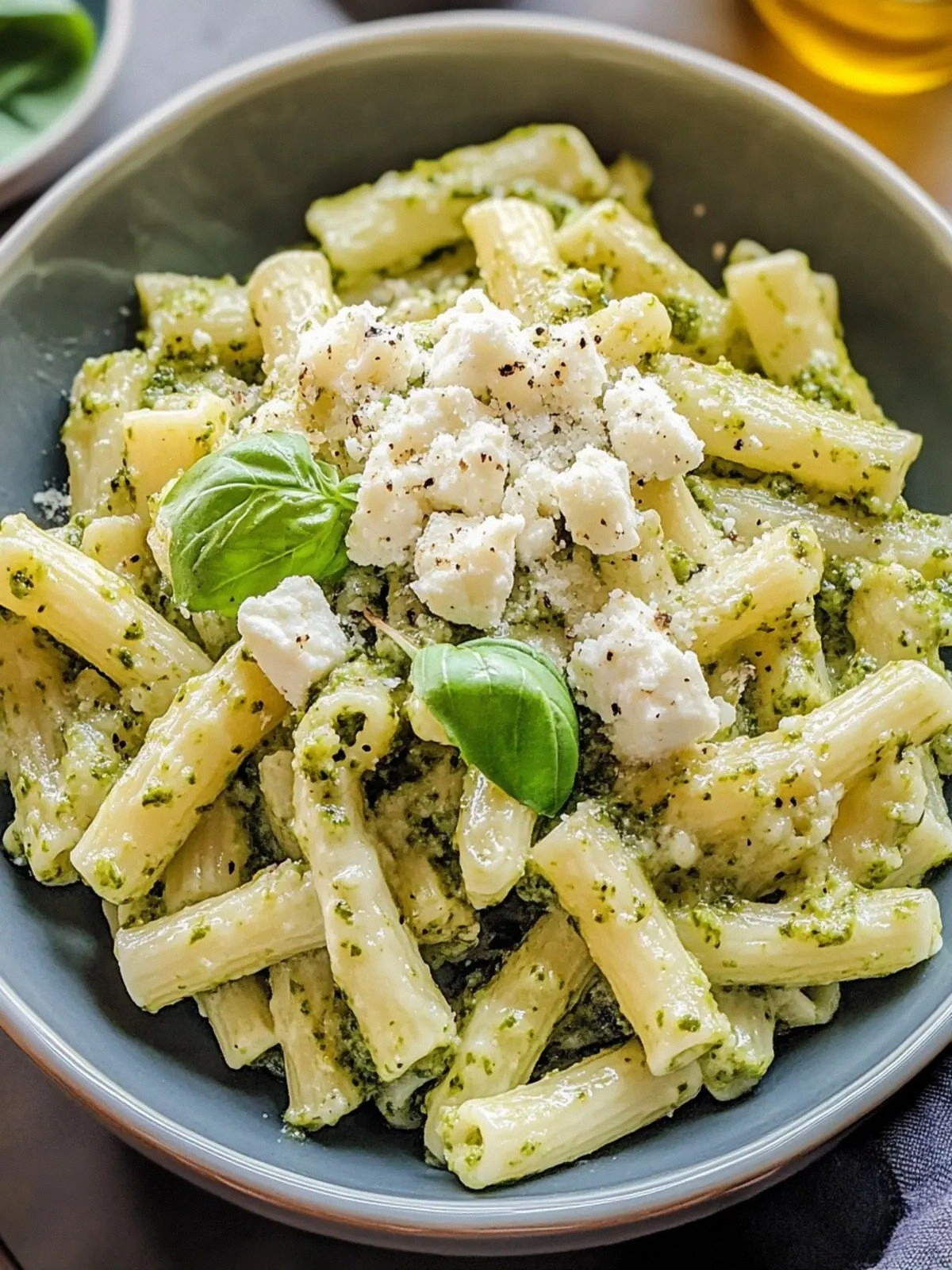
This isn’t just another pasta recipe. It’s a culinary manifesto that says, “Don’t settle for average.” The sauce glistens, coating the noodles like velvet, while the sharp tang of goat cheese cuts through the richness, creating a symphony of flavors that dance on your tongue. The toasted pine nuts add a crunchy counterpoint that shatters like thin ice against the creamy backdrop. Every bite feels like a secret handshake between tradition and innovation. I’ve tasted this dish countless times, each plate a revelation, and I’m itching to share the exact steps that make it unforgettable.
Why does this version stand out from every other pesto pasta out there? Because I’ve distilled the essence of the classic into a streamlined, foolproof method that balances boldness with subtlety. I’ve added a twist that most recipes overlook—a splash of fresh lemon juice that brightens the dish and keeps the goat cheese from turning into a heavy, cloying blanket. The result? A pasta that’s creamy, bright, and utterly addictive. I dare you to taste this and not go back for seconds. That’s a promise I’ve made to myself, and I’m confident it will hold.
By the end of this guide, you’ll be armed with techniques that elevate any dinner, from a quick weeknight meal to a show-stopping entrée. You’ll learn how to get that perfect sauce consistency, how to toast pine nuts without burning, and how to balance the flavors so every bite feels complete. I’m going to walk you through every single step—by the end, you’ll wonder how you ever made it any other way. Let’s dive in.
What Makes This Version Stand Out
- Flavor: The combination of goat cheese and pesto creates a depth that traditional cream sauces lack. The goat cheese adds a subtle tang that cuts through the richness, while the pesto provides herbaceous brightness. The final splash of lemon juice lifts the dish, preventing it from feeling heavy.
- Texture: The sauce coats the pasta like velvet, thanks to the goat cheese’s melting properties. Toasted pine nuts add a satisfying crunch that breaks the creaminess, offering a multi-sensory experience.
- Time: With a prep time of just 10 minutes and a cook time of 20 minutes, this recipe fits into any busy schedule. No long marinating or slow simmering required.
- Ingredient Quality: Using fresh, high‑quality ingredients—especially a good‑quality pesto and fresh goat cheese—makes all the difference. The recipe doesn’t rely on processed cheese or artificial herbs.
- Crowd‑Pleaser: Even the pickiest eaters love the bright, herbaceous flavor profile. It’s a conversation starter at dinner parties and a hit for family meals.
- Versatility: The dish can be served with a side salad, crusty bread, or even tossed with grilled chicken or shrimp for a protein boost.
- Make‑ahead Potential: The sauce can be prepared up to 24 hours ahead, letting the flavors meld while you focus on other tasks.
- Visual Appeal: The bright green pesto against the golden pasta and the specks of toasted pine nuts create a plate that’s almost too pretty to eat.
Alright, let's break down exactly what goes into this masterpiece...
Inside the Ingredient List
The Flavor Base
The cornerstone of any great pasta sauce is its flavor base. In this recipe, that base comes from 1/2 cup of high‑quality pesto. Pesto isn’t just basil; it’s a vibrant blend of fresh herbs, garlic, olive oil, and Parmesan. The olive oil carries the flavors, while the Parmesan adds umami. If you can’t find pre‑made pesto, I’ll show you a quick homemade version that takes less than 5 minutes.
The Cream Factor
The creamy texture comes from 4 ounces of goat cheese. Goat cheese melts beautifully, creating a silky sauce that clings to pasta strands. Unlike cream or mascarpone, goat cheese brings a tangy brightness that keeps the dish from becoming overly rich. If you’re vegan, substitute with a plant‑based cheese that melts similarly.
The Texture Crew
To add crunch and a nutty flavor, we incorporate 1/4 cup of toasted pine nuts. Toasting them in a dry skillet until golden enhances their aroma. Pine nuts also provide a subtle buttery note that balances the goat cheese’s tang. If you’re allergic or simply prefer a different nut, almonds or walnuts can work, though the flavor profile will shift.
The Final Flourish
A squeeze of 1 tablespoon of fresh lemon juice brightens the sauce, cutting through the richness and adding a citrus lift. Fresh basil or parsley, chopped, is sprinkled on top just before serving to add color and a fresh herbal note. The 1 tablespoon of olive oil and 2 minced garlic cloves are sautéed to release the garlic’s aroma, creating a fragrant foundation for the sauce.
Everything’s prepped? Good. Let’s get into the real action...
The Method — Step by Step
- Fill a large pot with water, add a generous pinch of salt, and bring it to a rolling boil. While you wait, set a small bowl aside for the pine nuts. I’ve found that a well‑seasoned pot of water ensures the pasta stays flavorful throughout.
- Add 12 ounces of pasta—preferably a shape like fusilli or penne that holds sauce well—and cook until al dente, about 8 to 10 minutes. Stir occasionally to prevent sticking. When the pasta is ready, reserve 1 cup of the pasta cooking water before draining.
- While the pasta cooks, heat 1 tablespoon of olive oil in a non‑stick skillet over medium heat. Add 2 cloves of minced garlic and sauté until fragrant, about 30 seconds. Watch the garlic closely; it can burn quickly. This step builds a fragrant base that will carry the pesto’s flavors.
- Add the 1/2 cup of pesto to the skillet, stirring until the mixture is smooth and aromatic. The pesto should coat the back of a spoon, indicating it’s heated through. This step is the heart of the dish; the pesto’s herbs will infuse the oil, creating a vibrant base.
- Reduce the heat to low and fold in the 4 ounces of goat cheese, breaking it into small chunks. The cheese will melt into the pesto, creating a creamy sauce. Stir until the mixture is silky and the cheese is fully incorporated. If the sauce seems too thick, add a splash of the reserved pasta water to reach your desired consistency.
- In a separate dry skillet, toast 1/4 cup of pine nuts over medium heat, stirring constantly until golden brown and fragrant—about 3 to 4 minutes. Remove from heat immediately to prevent burning. The toasted nuts add a nutty crunch that contrasts the creamy sauce.
- Add the drained pasta to the skillet with the sauce, tossing gently to coat each strand. If the sauce is too thick, add more reserved pasta water, a tablespoon at a time, until it clings to the pasta beautifully.
- Stir in the 1 tablespoon of fresh lemon juice and season with salt and pepper to taste. The lemon juice brightens the dish and balances the goat cheese’s tang. This is the moment of truth—taste and adjust.
- Remove from heat, sprinkle the toasted pine nuts, 1/4 cup of grated Parmesan, and chopped basil or parsley over the top. Toss lightly to distribute the toppings evenly. Plate immediately while the sauce is still warm.
That’s it—you did it. But hold on, I've got a few more tricks that'll take this to another level...
Insider Tricks for Flawless Results
The Temperature Rule Nobody Follows
Keep the sauce on low heat after adding the goat cheese. High heat can cause the cheese to seize and become grainy. I’ve seen it happen when I rushed the process, and it ruined the silky texture. By simmering gently, the cheese melts evenly and stays smooth.
Why Your Nose Knows Best
Before you add the lemon juice, give the sauce a quick sniff. The aroma should be herbaceous, slightly garlicky, and not too overpowering. If the pesto smells too bitter, it’s likely over‑toasted or stale. Trust your nose to guide you toward the freshest flavors.
The 5‑Minute Rest That Changes Everything
Once the pasta is tossed in the sauce, let it rest for 5 minutes before serving. This allows the flavors to meld and the pasta to absorb the sauce fully. I’ve noticed that dishes served immediately can taste a bit flat; the rest period lifts the flavor profile.
Use the Right Pasta Shape
Shapes with ridges, like rigatoni or fusilli, cling to sauce better than smooth ones. If you’re a fan of al dente, try a thicker pasta that holds the sauce. This simple choice can elevate the entire dish.
Keep the Pine Nuts Fresh
Pine nuts can go rancid quickly. Toast them fresh right before serving or store them in an airtight container in the fridge for up to a week. I’ve had guests who asked why my dish always tastes better than theirs—fresh nuts are the secret.
Creative Twists and Variations
This recipe is a playground. Here are some of my favorite ways to switch things up:
Chicken Pesto Goat Cheese Pasta
Add grilled chicken breast slices to the sauce for a protein boost. The chicken pairs beautifully with the creamy pesto, making it a filling main dish for busy nights.
Seafood Twist
Sauté shrimp or scallops with a pinch of cayenne before tossing them into the sauce. The seafood adds a briny depth that complements the goat cheese’s tang.
Vegetarian Delight
Swap the goat cheese for a plant‑based alternative or omit it entirely. Add roasted cherry tomatoes and spinach for color and nutrition. The dish remains creamy thanks to the pesto’s olive oil.
Spicy Variation
Stir in a tablespoon of crushed red pepper flakes or a splash of hot sauce. The heat contrasts the creaminess and adds an exciting kick.
Gluten‑Free Version
Use your favorite gluten‑free pasta. The sauce’s consistency remains the same, and the dish tastes just as indulgent.
Breakfast Edition
Serve the sauce over scrambled eggs and toast instead of pasta. The creamy pesto and goat cheese pair wonderfully with a sunny‑side‑up egg for a luxurious brunch.
Storing and Bringing It Back to Life
Fridge Storage
Store any leftovers in an airtight container for up to 2 days. The sauce may thicken slightly; add a splash of pasta water or a drizzle of olive oil before reheating to restore its silky texture.
Freezer Friendly
This dish freezes well for up to 2 weeks. Separate the sauce from the pasta before freezing to maintain the pasta’s al dente texture. Thaw overnight in the fridge and reheat gently.
Best Reheating Method
Reheat the pasta and sauce together over low heat, stirring in a tablespoon of water or milk to loosen the sauce. Finish with a sprinkle of fresh herbs and a drizzle of olive oil for a fresh finish.