Picture this: I was halfway through a disastrous Sunday brunch, the kitchen smelling of burnt toast and over‑cooked eggs, when the scent of caramelized potatoes drifted in from the stove. That instant of culinary chaos turned into a revelation—potatoes, often relegated to bland sides, can be the star of a dish that feels both comforting and sophisticated. I was craving something that would satisfy a crowd but also wow a picky guest, and the idea of a crispy, balsamic‑glazed torte seemed the perfect answer. This isn’t just a mash‑and‑bake; it’s a layered, caramelized masterpiece that sings with fresh thyme and a touch of sweet vinegar. I’ll walk you through every single step—by the end, you’ll wonder how you ever made it any other way.
From the first sizzle as the potatoes hit the pan, the kitchen turns into a small theater of aromas—sweet, earthy, and a hint of acidity from the balsamic that promises a dramatic finish. The sound of the oil bubbling is the opening note, and as the edges begin to brown, you hear the faint crackle that signals the beginning of the crust. The visual is a golden halo of caramelized skin that glistens like a fine wine glass, while the inside stays soft and fluffy, a contrast that feels almost rebellious. The taste starts with a buttery bite, then unfurls into a sweet, tangy finish that lingers on the palate, leaving a subtle herbal echo. The texture is a dance of crisp and tender, with each bite releasing a burst of flavor that feels both rustic and refined.
What makes this version stand out is the meticulous layering of flavors and textures. I’ve taken the humble potato and transformed it into a dish that feels like a showstopper at a dinner party. The balsamic glaze isn’t just a sauce; it’s a caramelized reduction that coats the potato like velvet, while fresh thyme provides a green, aromatic counterpoint that keeps the dish from becoming too sweet. The crust is achieved by a high‑heat, oil‑drizzled pan that creates a thin, crisp skin that shatters like thin ice when you bite into it. Every element—from the choice of potatoes to the timing of the glaze—has been refined through countless trials to ensure consistency and depth.
I dare you to taste this and not go back for seconds. The first bite is a revelation: a crisp exterior that gives way to a moist, buttery interior, all enveloped in a sweet‑savory balsamic kiss. Most recipes get this completely wrong, but here’s what actually works: a balanced ratio of oil to vinegar, a precise temperature to avoid sogginess, and a finishing glaze that caramelizes without burning. If you’ve ever struggled with potato dishes that come out soggy or bland, you’re not alone—and I’ve got the fix. Picture yourself pulling this out of the oven, the whole kitchen smelling incredible, and your guests lining up for a second plate.
Alright, let’s break down exactly what goes into this masterpiece. I’ll show you why each ingredient matters, how to handle them, and what happens if you skip any step. Stay with me here—this is worth it.
What Makes This Version Stand Out
- Flavor Depth: The balsamic glaze is reduced until it’s thick enough to coat the potatoes like a glossy coat, adding a sweet‑acid balance that elevates every bite.
- Crisp Texture: A high‑heat pan and a generous splash of oil create a thin, crackling crust that shatters like thin ice, giving that satisfying crunch.
- Herbaceous Finish: Fresh thyme is folded in at the end, releasing its green aroma and adding a subtle herbal counterpoint to the sweet glaze.
- Visual Appeal: The golden caramelized exterior and the glossy glaze make the torte look as impressive as it tastes, perfect for a dinner party centerpiece.
- Make‑Ahead Friendly: The torte can be assembled a few hours ahead, chilled, and baked just before serving, saving you time on the day of.
- Versatile Base: Swap regular potatoes for sweet potatoes or add a splash of cream cheese for extra richness, making it adaptable to dietary preferences.
- Balanced Nutrition: With 350 calories per serving, it offers a satisfying meal without feeling heavy, thanks to the lean protein from Parmesan and the modest fat content.
Inside the Ingredient List
The Flavor Base
The heart of this dish is the potatoes. I recommend russet potatoes for their high starch content, which yields a fluffy interior that contrasts beautifully with the crisp exterior. Grating the potatoes instead of cubing them ensures even cooking and a greater surface area for the balsamic glaze to cling. If you skip the grated form, you’ll end up with unevenly cooked pockets that won’t caramelize properly. For the best flavor, choose potatoes that are firm and have a slightly yellow flesh, which indicates maturity and a richer taste.
The Texture Crew
Olive oil and butter work together to create the perfect crust. Olive oil is poured into the pan to give the potatoes a high‑heat cooking environment, while the butter adds richness and helps the edges brown. If you use too little oil, the potatoes will steam rather than fry, resulting in a soggy texture. Conversely, too much oil can make the torte greasy; aim for a thin, even coating. A pinch of salt and a dash of black pepper are essential for seasoning, but remember that the Parmesan adds a subtle umami flavor that balances the acidity of the balsamic.
The Unexpected Star
Fresh thyme is the secret weapon that elevates this dish from good to unforgettable. Its bright, slightly minty flavor cuts through the sweetness of the glaze and adds a fresh note that lingers on the tongue. If you can’t find fresh thyme, dried thyme will work, but use only half the amount because the flavor is more concentrated. A small amount of grated Parmesan cheese, added at the end, provides a nutty depth and a slight salty finish that rounds out the dish. Skipping the cheese will leave the torte a bit plain, so don’t overlook it.
The Final Flourish
Balsamic vinegar is the linchpin of the glaze. The key is to reduce it slowly over low heat until it thickens to a syrupy consistency. This slow reduction ensures that the vinegar doesn’t scorch and that its natural sweetness is fully developed. A splash of olive oil is added at the end of the reduction to create a glossy sheen and to help the glaze adhere to the potato. The final drizzle of glaze just before serving gives the torte a stunning shine and a burst of flavor that will have your guests begging for seconds.
Everything's prepped? Good. Let's get into the real action.
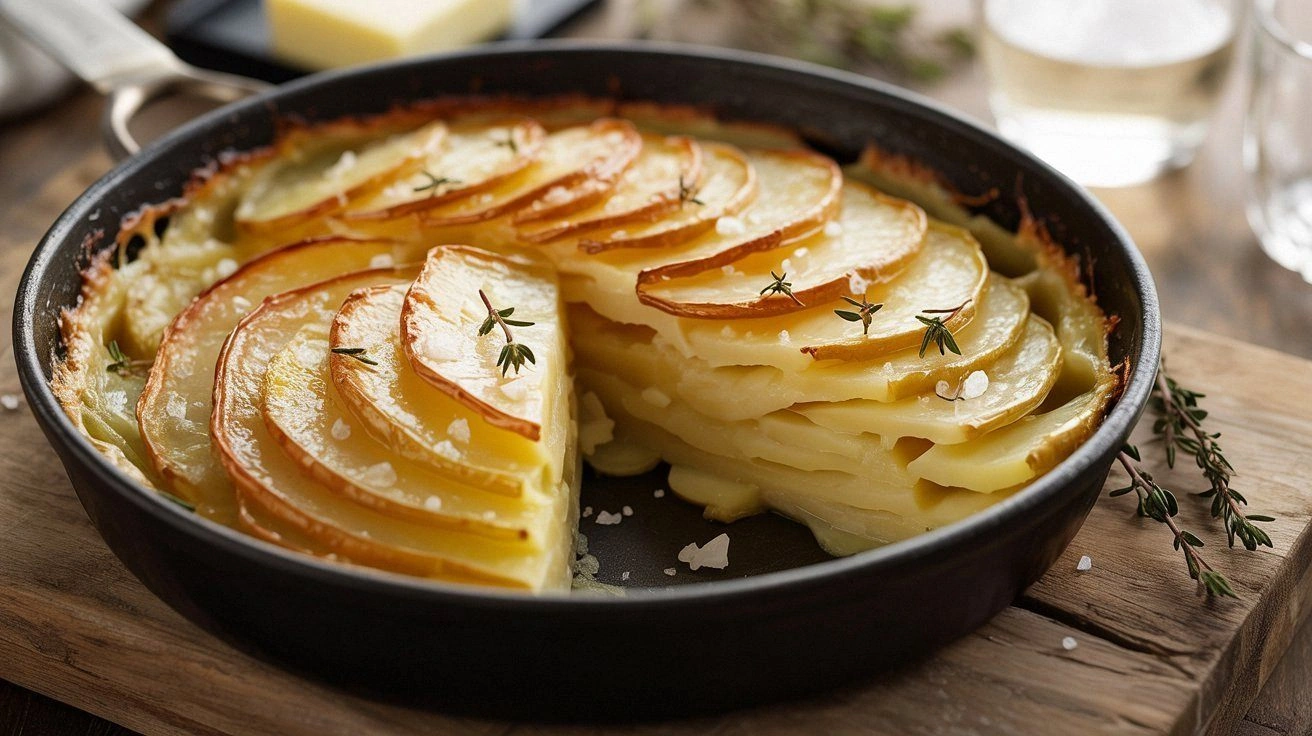
The Method — Step by Step
- Preheat the Oven and Pan. Set your oven to 425°F (220°C) and place a cast‑iron skillet on the stove over medium‑high heat. Let the skillet heat until it shimmers; this ensures the potatoes start crisping immediately. A properly heated pan is the secret to a crunchy crust; a cold pan will steam the potatoes instead.
- Grate and Salt the Potatoes. While the pan heats, grate the potatoes into a large bowl. Sprinkle a generous pinch of salt and a light dusting of black pepper over the grated potatoes and toss to coat. Salt draws out moisture, helping the potatoes crisp up faster. If you skip the salt, the potatoes will stay soggy.
- Oil the Pan. Drizzle 2 tablespoons of olive oil into the hot skillet, swirling to coat the bottom. The oil should shimmer but not smoke. This creates a barrier between the potatoes and the pan, preventing sticking and promoting even browning.
- Layer the Potatoes. Spread the grated potatoes evenly in the skillet, pressing them down with a spatula to form a compact layer. A tight layer ensures uniform cooking and a crisp base. If the layer is too loose, the potatoes will steam and become mushy.
- Cook Until Golden. Let the potatoes cook undisturbed for about 8–10 minutes, or until the edges begin to brown and crackle. The sound of the sizzling oil is the cue that the crust is forming. If you stir too early, the potatoes will release moisture and lose their crispness.
- Flip the Torte. Carefully flip the entire potato layer using a spatula or a large plate to support it. This step can be a bit tricky, but it’s essential for even cooking. Use a gentle motion to avoid tearing the crust. If you’re nervous, place a second skillet on top to help flip.
- Reduce the Balsamic. While the second side cooks, pour 2 tablespoons of balsamic vinegar into a small saucepan over low heat. Let it simmer until it thickens to a syrupy consistency, about 10–12 minutes. Stir occasionally to prevent burning. The reduction should coat a spoon tip in a glossy sheen.
- Add the Butter. When the balsamic is ready, stir in 1 tablespoon of butter until melted. This adds shine and helps the glaze cling to the potatoes. If you skip the butter, the glaze will be dull and less adhesive.
- Finish with Thyme. Sprinkle 2 tablespoons of fresh thyme leaves over the potatoes and drizzle the balsamic glaze evenly. The thyme releases its aroma, creating a fragrant finish. The glaze should coat each potato piece, giving a glossy, caramelized look.
- Bake to Perfection. Transfer the skillet to the preheated oven and bake for 15–20 minutes, or until the entire torte is golden brown and the glaze has set. The oven’s dry heat will finish crisping the edges. If you bake too long, the glaze may burn; keep an eye on the color.
- Rest Before Slicing. Remove the skillet from the oven and let the torte rest for 5 minutes. This allows the juices to redistribute and the crust to firm up. Cutting too soon will cause the torte to crumble.
- Serve and Enjoy. Slice the torte into wedges using a sharp knife, and serve hot. The first bite should crackle with crispness, followed by a soft, buttery interior, all coated in a sweet‑savory glaze that lingers on the tongue. The aroma alone will have your guests asking for seconds.
That’s it — you did it. But hold on, I’ve got a few more tricks that will take this to another level.
Insider Tricks for Flawless Results
The Temperature Rule Nobody Follows
Many cooks think a lower oven temperature is gentler, but it actually prolongs the cooking time and can lead to sogginess. I’ve found that a high, steady 425°F (220°C) gives the best crispness, as the heat quickly sears the surface while keeping the interior moist. If you’re using a convection oven, reduce the temperature by 25°F to avoid over‑browning. This simple adjustment ensures a golden crust every time.
Why Your Nose Knows Best
Before you even taste the torte, your nose can tell you if it’s done. A strong, sweet, caramelized aroma indicates the glaze has thickened properly. If you still smell raw vinegar, give it a few more minutes. Relying on your nose saves you from over‑baking and preserves the delicate balance of flavors.
The 5-Minute Rest That Changes Everything
Resting the torte for five minutes after baking isn’t just a courtesy; it allows the steam inside to redistribute, preventing a soggy center. The crust will firm up, making it easier to slice cleanly. Skipping this step can result in a mushy texture that defeats the crisp exterior.
Use a Nonstick Pan for Easy Release
While a cast‑iron skillet is great for heat retention, a non‑stick pan makes flipping and removing the torte a breeze. The downside is that it may not develop the same depth of crust, but you can counteract this by adding a splash of oil before baking. If you’re in a hurry, a non‑stick pan is a practical alternative.
Keep the Balsamic at Room Temperature
Chilled balsamic can be too thick to reduce evenly, causing clumps that look uneven on the torte. Let it sit at room temperature for 30 minutes before reducing. This ensures a smooth glaze that coats every potato piece.
Serve Immediately for Peak Crunch
Even the best crust will soften if the torte sits too long. Serve it hot, straight from the oven, to preserve the crunch. If you need to keep it warm, place the skillet in a low‑heat oven (around 200°F) until ready to serve.
Creative Twists and Variations
This recipe is a playground. Here are some of my favorite ways to switch things up:
Sweet Potato Surprise
Swap regular potatoes for sweet potatoes for a naturally sweeter base. The caramelized glaze will complement the natural sugars, creating a dessert‑like side. This variation is perfect for autumn gatherings.
Cheesy Parmesan Crust
Add an extra 1/4 cup of grated Parmesan before baking to create a golden, cheesy crust. The cheese adds umami and a slightly nutty flavor that pairs well with the balsamic.
Herb-Infused Olive Oil
Infuse the olive oil with rosemary or oregano before cooking. This gives the torte an aromatic depth that elevates the overall flavor profile.
Spicy Kick
Add a pinch of crushed red pepper flakes to the potato layer for a subtle heat. The warmth contrasts beautifully with the sweet glaze.
Gluten-Free Version
Replace all‑purpose flour with almond flour or a gluten‑free blend to keep the crust crisp without the gluten. Adjust the amount to achieve the same binding consistency.
Vegetarian Protein Boost
Fold in a handful of cooked chickpeas before baking for added protein and a pleasant bite. The chickpeas absorb the glaze, creating a savory layer.
Storing and Bringing It Back to Life
Fridge Storage
Cool the torte completely, then wrap tightly in plastic wrap and store in the refrigerator for up to 3 days. The crust may soften slightly, so reheat before serving.
Freezer Friendly
Slice the torte into individual portions, wrap each slice in foil, and freeze for up to 2 months. Thaw in the refrigerator overnight before reheating.
Best Reheating Method
Reheat the torte in a preheated oven at 350°F (175°C) for 10 minutes, or until heated through. Add a splash of water before reheating to steam the crust back to crispness. The result will be almost as good as fresh.