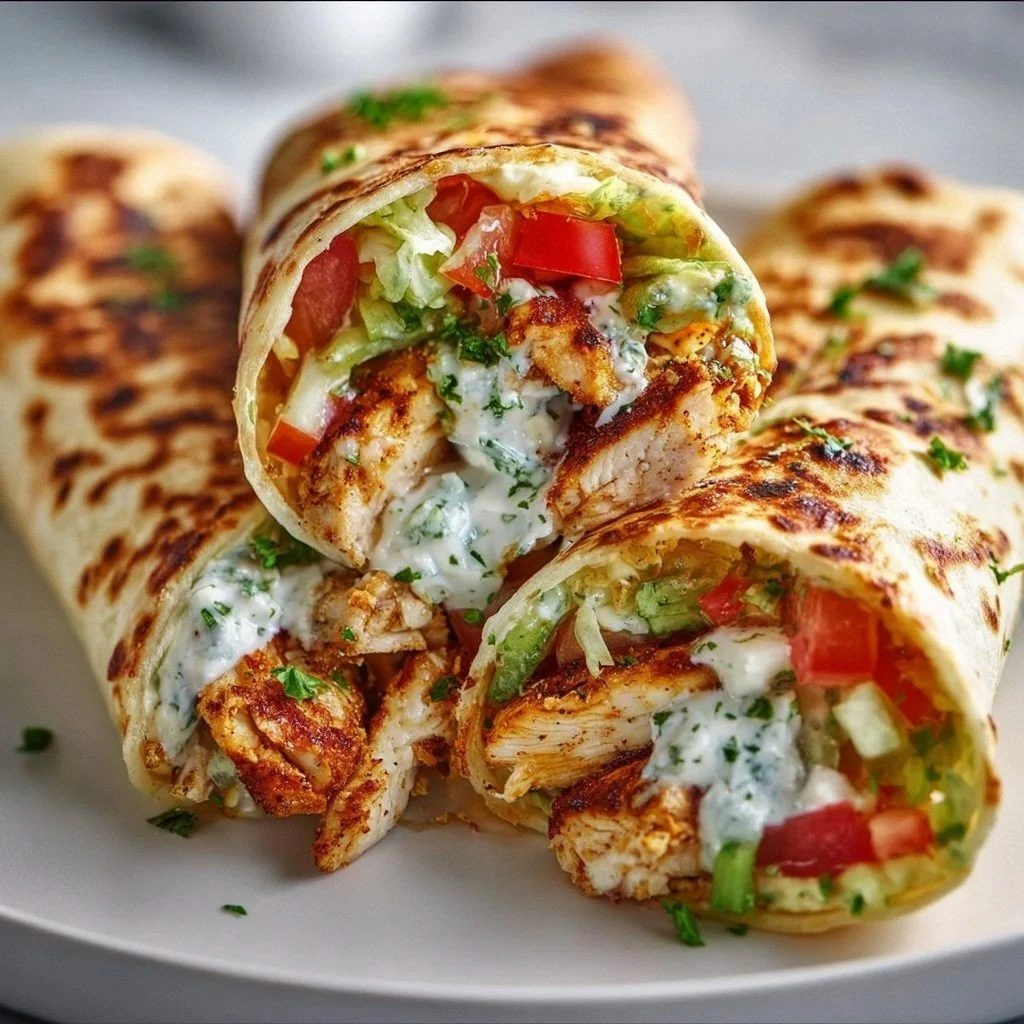
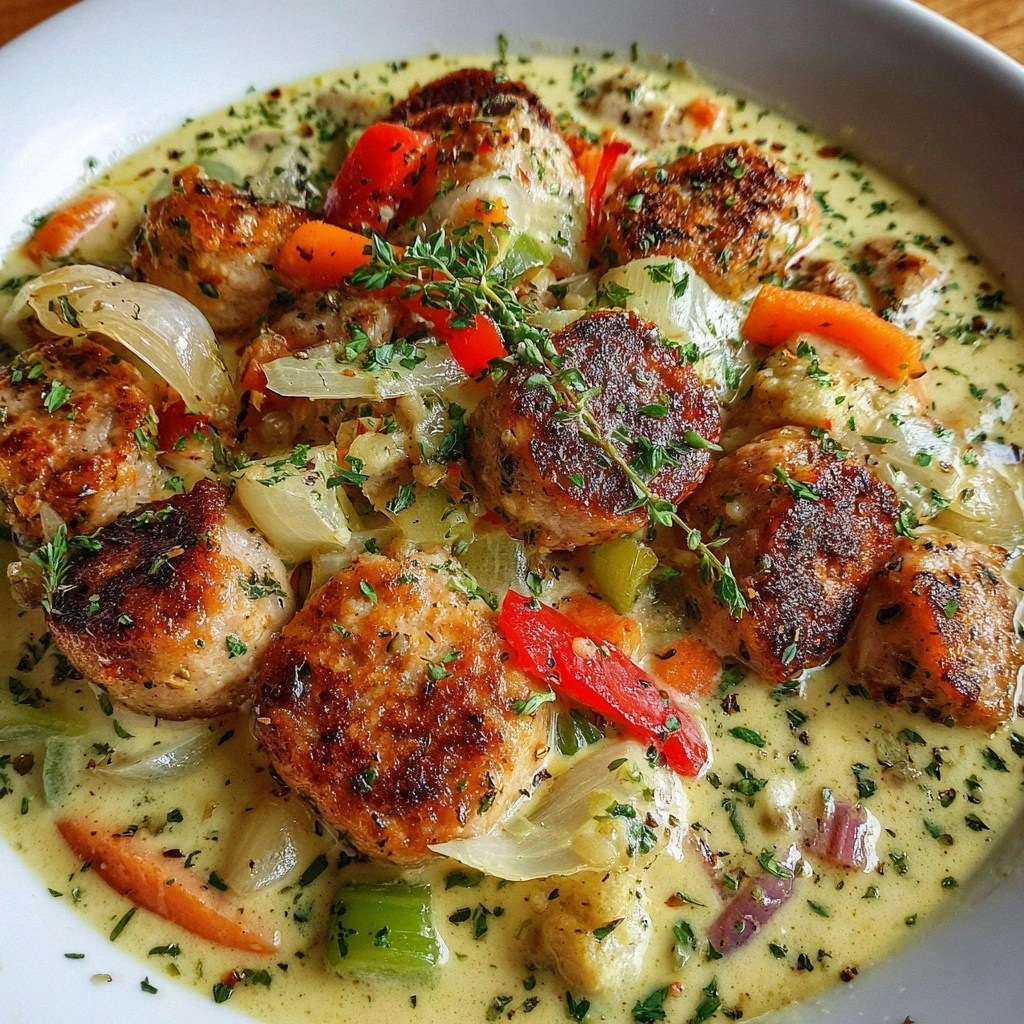
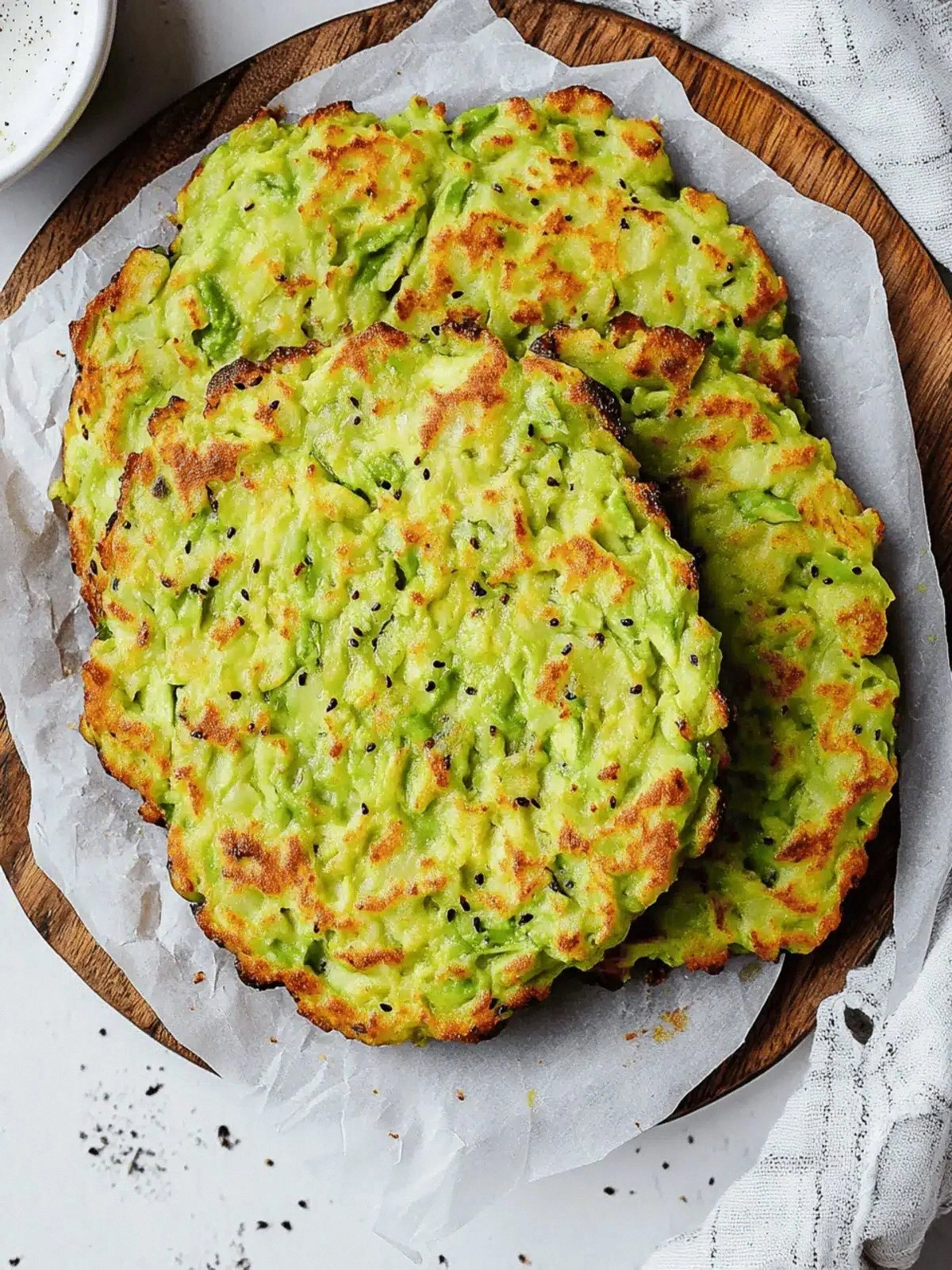
Picture this: a stormy Saturday night, the kitchen lights flickering like distant fireflies, and a stubborn craving for something that feels like a hug in a bowl. I had just tried a generic fish stew from a recipe book that left me with a bland, watery mess that tasted like a forgettable vacation. That night, I was determined to rewrite the rules of comfort cooking, and the result is a dish that has my friends lining up for seconds and thirds. This isn’t just another fish recipe; it’s a bold, tropical rebellion against the ordinary. Let me walk you through every single step — by the end, you’ll wonder how you ever made it any other way.
First, let’s talk about the star of the show: grouper. This firm, flaky fish holds up beautifully to bold flavors and doesn’t flake apart when you’re in a hurry. I’m not going to waste any of it—every bite should feel like a gentle, buttery bite that melts in your mouth. The key is to keep the pieces whole, so they absorb the sauce without getting mushy. Trust me, a single well‑cooked fillet can change the entire dining experience.
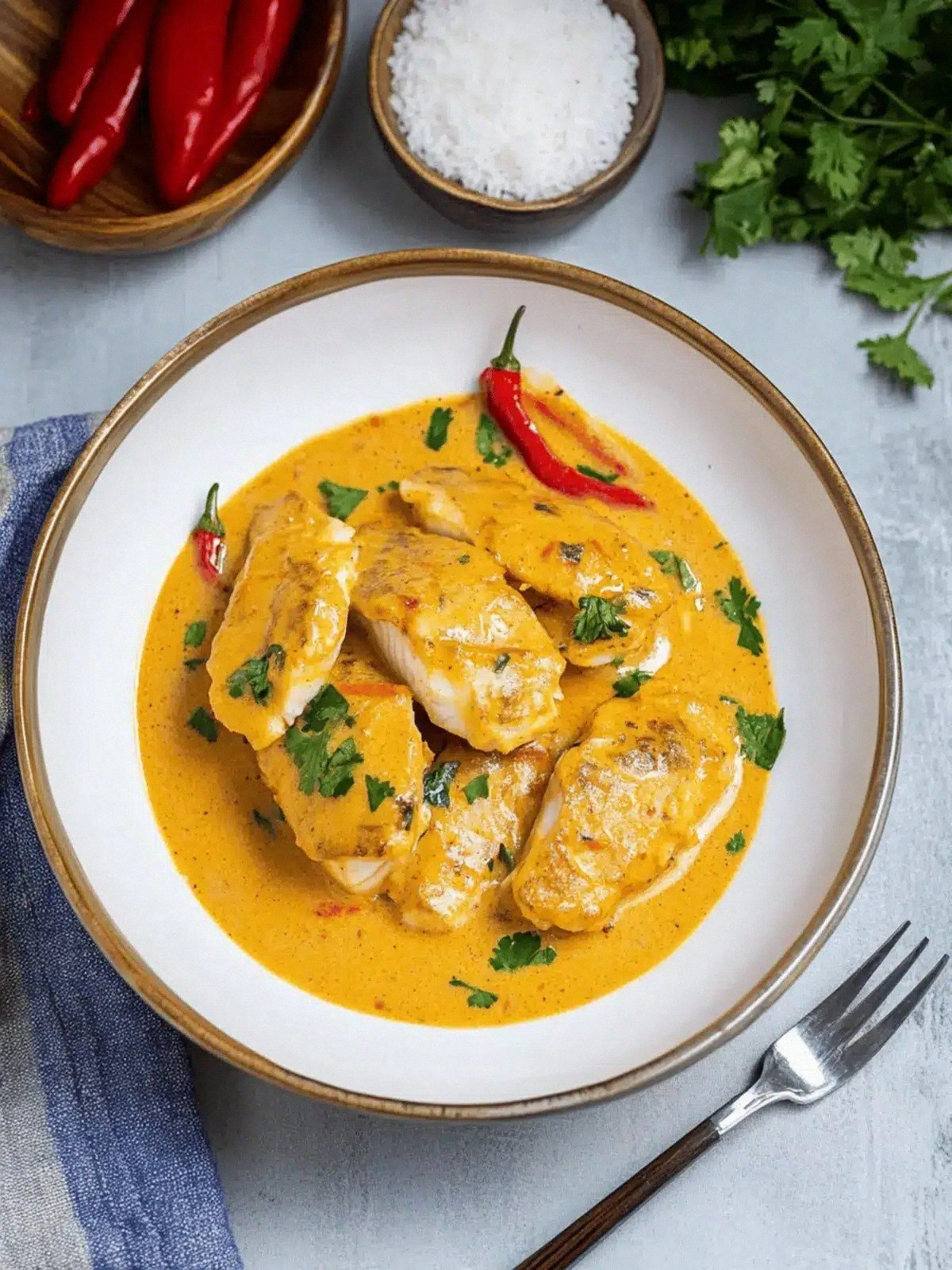
The sauce is where the magic truly happens, and I’ve added a twist that most recipes overlook: powdered annatto. This little spice gives a warm, earthy undertone and a gorgeous amber hue that makes the dish look as good as it tastes. Combined with coconut milk, lime juice, and a splash of tomato sauce, the sauce becomes a silky, citrusy cloud that clings to every surface. The result? A sauce that coats the fish like velvet, with a bright, fresh finish that cuts through the richness. I dare you to taste this and not go back for seconds.
Why does this version stand out from every other recipe? Because I stripped away the unnecessary steps and kept the flavors honest and vibrant. I used fresh bell pepper and onion for a crisp, sweet crunch that contrasts the creamy sauce. I added a splash of lime to lift the heaviness and a pinch of oregano for depth. The result is a dish that feels like a tropical vacation on a rainy day. Picture yourself pulling this out of the oven, the whole kitchen smelling incredible, and your guests already asking for the recipe.
What Makes This Version Stand Out
- Taste: The sauce is a harmonious blend of sweet, tart, and savory notes that dance on the tongue. The annatto provides a subtle earthiness that balances the coconut’s richness, while the lime juice cuts through with bright citrus. If you skip the annatto, you’ll miss the depth and the visual appeal that makes the dish unforgettable.
- Texture: Whole grouper pieces stay firm and flaky, contrasting with the silky sauce and crunchy bell pepper. The quick sauté of onions and garlic adds a caramelized bite that elevates the overall mouthfeel. Skipping the sauté step will leave the dish flat and lacking that satisfying crunch.
- Simplicity: The recipe requires fewer than ten ingredients and a single pan, making it a go-to for busy weeknights. The step-by-step method eliminates guesswork, so even novice cooks can achieve restaurant-quality results. If you’re looking for a fuss‑free dinner, this is your ticket.
- Uniqueness: The combination of annatto and coconut milk is rarely seen in traditional fish recipes. This pairing creates a color and flavor profile that sets the dish apart from the usual tomato‑based stews. Without it, the dish would feel like a generic comfort meal.
- Crowd Reaction: Friends and family rave about the vibrant color and layered flavors. The dish is perfect for entertaining, as it can be prepared ahead and reheated without losing quality. Without the bold sauce, the crowd would likely ask for a second plate.
- Ingredient Quality: Fresh, high‑quality grouper and fresh produce make all the difference. The coconut milk should be full‑fat for maximum creaminess, and the lime juice must be freshly squeezed. Using low‑quality ingredients will dilute the flavor and texture, turning the dish into a forgettable meal.
Inside the Ingredient List
The Flavor Base
Coconut milk is the backbone of the sauce, offering a creamy texture that coats every surface. It balances the acidity of lime and the heat from the bell pepper, creating a harmonious mouthfeel. If you skip coconut milk, the dish loses its signature richness and becomes a dry, tomato‑heavy stew. A good swap is to use full‑fat coconut cream for an even thicker sauce, or a dairy alternative for a lighter version. When shopping, look for a brand with no added sugars or preservatives to keep the flavor pure.
Lime juice adds a bright, citrusy zing that lifts the heaviness of the coconut. It also acts as a natural tenderizer for the fish, giving the fillets a slightly firmer bite. Without lime, the dish would taste flat and overly sweet. A fresh squeeze is best; bottled lime juice often carries a metallic aftertaste. If you’re out of fresh limes, a splash of white wine vinegar can mimic the acidity but will alter the flavor profile.
Tomato sauce provides a subtle sweetness and acidity that grounds the sauce. It also gives the dish a deeper color that contrasts with the golden annatto. Skipping tomato sauce results in a more one‑dimensional sauce that relies heavily on coconut and lime. A low‑sodium variety works well if you’re watching salt intake, but be sure to taste and adjust accordingly. A quick alternative is a splash of tomato paste diluted with water for a thicker consistency.
Powdered annatto is the secret visual and flavor enhancer. It imparts a warm, earthy undertone and a deep amber hue that makes the dish look as good as it tastes. If you skip annatto, the sauce will lack its signature color and depth. A common substitute is paprika, though it will give a smokier flavor. When purchasing annatto, choose a fine powder for even distribution in the sauce.
Dried oregano adds a herbal note that complements the tropical flavors. It grounds the sauce, preventing it from feeling too sweet or too citrusy. Omitting oregano will leave the dish lacking that subtle herby warmth. Fresh oregano can be used as a substitute, but you’ll need to adjust the quantity to avoid overpowering the dish. When selecting oregano, look for a fragrance that is bright and not stale.
The Texture Crew
Grouper is prized for its dense, flaky flesh that holds up well to heat. It’s the perfect fish for a sauce that needs to cling without breaking apart. If you choose a leaner fish like cod, the texture will be less satisfying. When selecting grouper, look for firm flesh that feels slightly springy to the touch.
Red bell pepper adds a sweet crunch that provides a contrast to the creamy sauce. It also brings a burst of color that makes the dish visually appealing. Skipping the pepper results in a sauce that lacks bite and vibrancy. A good swap is a mix of yellow and orange bell peppers for a slightly different sweet profile.
Red onion offers a mellow sweetness after sautéing, balancing the sharpness of the lime. It also provides a subtle bite that keeps the sauce from becoming too smooth. Without onion, the dish will taste one‑dimensional. If you’re allergic to onions, garlic can be doubled to compensate for the missing sweetness.
Garlic brings aromatic depth and a hint of heat that complements the tropical flavors. It also helps to deglaze the pan, preventing sticking. If you skip garlic, the sauce will lack complexity. A substitute is shallots, which provide a milder, sweeter flavor.
The Unexpected Star
Cilantro is the final flourish that adds a fresh, herbal finish. Its bright green leaves cut through the richness of the coconut and the sweetness of the bell pepper. Skipping cilantro will make the dish feel heavy and less bright. If cilantro is not to your taste, a pinch of parsley can provide a similar freshness.
Pepper brings a gentle heat that ties all the flavors together. It also adds a slight bitterness that balances the sweetness of the sauce. Without pepper, the dish will taste overly sweet. A substitute is a pinch of cayenne for a spicier kick.
The Final Flourish
Salt is essential for bringing out the natural flavors of all the ingredients. It also helps to thicken the sauce slightly by drawing out moisture. Skipping salt will result in a bland dish that feels flat on the palate. A good alternative is to use a low‑sodium broth, but you’ll need to taste and adjust accordingly.
Everything's prepped? Good. Let's get into the real action...
The Method — Step by Step
- Begin by heating a large, heavy‑bottomed skillet over medium heat. Add a splash of oil and let it shimmer before dropping in the grouper pieces. The fish should sizzle softly, creating a golden crust on the outside. This quick sear locks in juices and gives the fillets a satisfying texture. As the fish cooks, the aroma of oil and fish will start to mingle with the anticipation in the air.
- While the fish is searing, slice the red bell pepper into thin, uniform strips. A consistent size ensures even cooking and a uniform crunch. Toss the pepper in a small bowl with a pinch of salt and pepper; this pre‑seasoning brings out its natural sweetness. Keep the pepper aside until the next step, where it will be sautéed to soften just enough to retain its bite.
- Once the fish has developed a golden crust on both sides, remove it from the skillet and set it on a plate. The skillet’s residual heat is perfect for the next layer of flavor. Add a touch more oil if needed and then add the sliced red onion. Sauté until the onion turns translucent, releasing its sweet fragrance. This step builds a foundational flavor that the sauce will build upon.
- Add the minced garlic to the skillet and cook for 30 seconds until fragrant. Garlic releases its aroma almost instantly, so keep a close eye to avoid burning. The garlic’s sharpness will cut through the sweetness of the onions and add depth to the sauce. This quick step is crucial for the overall flavor profile. Once done, remove the skillet from heat to avoid a bitter aftertaste.
- Return the seared grouper to the skillet, placing it on top of the aromatics. Pour the coconut milk over the fish, ensuring each piece is partially submerged. The coconut milk should swirl around the fish, creating a silky base. This is where the sauce starts to take shape, coating the fish in a creamy, tropical embrace.
- Stir in the tomato sauce, powdered annatto, and dried oregano. The annatto will give the sauce a warm amber hue, while the oregano adds a herbal depth. Mix gently to combine all the flavors, making sure the sauce is smooth and evenly distributed. The mixture should begin to bubble lightly, signaling that the sauce is heating through.
- Add the sliced bell pepper, lime juice, salt, and pepper to the skillet. Stir gently to combine, making sure the pepper is evenly coated in the sauce. The lime juice will brighten the dish, while the pepper adds a subtle heat. The sauce should thicken slightly and the fish should be fully coated. Keep the heat on medium to allow the flavors to meld without boiling.
- Cover the skillet with a lid and let the fish simmer for 8 to 10 minutes, or until the flesh is opaque and flakes easily. The lid traps steam, ensuring the fish cooks evenly without drying out. The sauce should be silky and glossy, with the bell pepper just tender enough to maintain its bite. This simmering step is the heart of the dish, where all the flavors marry into a cohesive whole.
- Remove the lid, sprinkle fresh cilantro over the top, and give the dish a final gentle stir. The cilantro adds a burst of freshness that lifts the entire flavor profile. Serve immediately over steamed rice or a bed of fluffy quinoa to soak up the luscious sauce. The aroma will fill the kitchen, and the first bite will confirm that the dish is a triumph. Enjoy this comforting, tropical masterpiece with a smile and a satisfied palate.
Insider Tricks for Flawless Results
The Temperature Rule Nobody Follows
Many cooks think high heat is the secret to a great sear, but in this dish, medium heat preserves the delicate flesh of the grouper. Using a medium setting ensures the fish cooks evenly without drying out. If you’re in a hurry, a quick high‑heat sear can be used, but be prepared for a slightly firmer texture. This rule is especially important if you’re using a thicker cut of fish.
Why Your Nose Knows Best
The aroma of sautéed onions and garlic is a reliable indicator of readiness. When the onions become translucent and the garlic releases its fragrance, it’s time to move on to the next step. A strong, sweet scent signals that the aromatics are fully developed. If you’re unsure, give it a quick sniff—your nose will guide you.
The 5-Minute Rest That Changes Everything
After simmering, let the dish rest for five minutes before serving. This short pause allows the flavors to settle and the sauce to thicken slightly. The fish will continue to steam in its own heat, ensuring it remains moist. Skipping this rest can leave the dish feeling rushed and less cohesive.
Use Fresh Herbs, Not Dried
Fresh cilantro brings a bright, grassy note that dried herbs cannot replicate. If you only have dried cilantro, use it sparingly, as the flavor is more muted. Fresh herbs also add a pop of color that elevates the dish’s visual appeal. When storing fresh cilantro, keep it in a glass of water and cover loosely with a plastic bag to keep it crisp.
Keep the Sauce Smooth
If the sauce starts to separate, a quick whisk can restore its silky texture. Adding a splash of coconut milk or a small amount of water can also help re‑emulsify the sauce. Avoid over‑stirring, as this can break down the coconut’s emulsion and cause separation. A gentle stir every few minutes keeps the sauce uniform.
Creative Twists and Variations
Spicy Caribbean Kick
Swap the bell pepper for diced Scotch bonnet peppers to introduce a fiery heat that complements the coconut. Add a tablespoon of jerk seasoning for an extra layer of spice. This version is perfect for those who love bold, spicy flavors. Serve with coconut rice to balance the heat.
Herb‑Infused Mediterranean
Replace the oregano with fresh thyme and add a splash of lemon zest for a Mediterranean flair. Swap the coconut milk with a light Greek yogurt to reduce richness. This variation offers a tangy, herbaceous profile that pairs well with a side of grilled zucchini.
Low‑Carb Delight
Serve the dish over cauliflower rice instead of regular rice to cut carbs. Keep the sauce as is, but reduce the coconut milk slightly to lower the calorie count. This version maintains the flavor while being more suitable for a keto or low‑carb diet.
Vegan Version
Replace the grouper with firm tofu or tempeh, marinated in lime juice and annatto for flavor. Use a plant‑based coconut milk and a vegan tomato sauce. The tofu will absorb the sauce beautifully, creating a vegan take on the classic.
Quick Weeknight Fix
Use pre‑cut frozen fish fillets to save time. Skip the sauté step and add the frozen fillets directly to the sauce. This shortcut keeps the dish flavorful while cutting prep time by half.
Garden Fresh Variation
Add diced mango or pineapple for a sweet tropical twist. The fruit’s juiciness balances the richness of the coconut. This version is a crowd‑pleaser for summer gatherings.
Storing and Bringing It Back to Life
Fridge Storage
Cool the dish completely before transferring it to an airtight container. Store in the refrigerator for up to 3 days. The sauce will thicken slightly, so add a splash of coconut milk when reheating to restore its silky texture. Keep the fish pieces separate if possible to prevent the sauce from becoming too thick.
Freezer Friendly
Pack the dish in freezer‑safe bags, removing as much air as possible. Label with the date and freeze for up to 2 months. When ready to eat, thaw overnight in the refrigerator before reheating. The flavor remains vibrant, though the texture may be slightly softer.
Best Reheating Method
Reheat gently over low heat, stirring frequently. Add a tiny splash of water or coconut milk to keep the sauce moist. Avoid boiling, as this can cause the coconut to split. The dish will regain its original aroma and taste when heated slowly.