Picture this: it’s a humid Saturday night, the grill is smoking like a dragon that’s just been fed, and you’ve promised your friends the “best barbecue ever.” I was standing there, armed with a charcoal grill, a bag of chicken, and a vague memory of a street‑food stall in Manila that had my taste buds doing cartwheels. The first attempt? A charred disaster that tasted like burnt rubber and regret. I swear, the smoke alarm screamed louder than my neighbor’s karaoke, and I thought, “Okay, maybe I’m not cut out for this.” Then, after a midnight binge of YouTube tutorials and a frantic call to my Filipino aunt, I discovered the secret sauce that turns ordinary chicken into a glossy, caramel‑kissed masterpiece that practically melts off the skewer. That moment was the spark that ignited this version, and trust me, it’s the kind of revelation that makes you want to high‑five the grill.
Close your eyes and imagine the sizzle as the marinated chicken meets the hot grill— that first crackle is like a tiny fireworks show in your kitchen, promising sweet, salty, and tangy fireworks for your palate. The aroma? A heady mix of soy, citrus, and caramel that wafts through the backyard, curling around the patio chairs and making the whole neighborhood wonder what you’re cooking. The sight of those glossy, caramelized specks glistening on the chicken is enough to make anyone’s stomach do a little dance. And the taste? Imagine a perfect balance where the smoky char meets a sweet‑tangy glaze that coats each bite like a silk sheet, while the meat stays juicy, tender, and just a hint buttery from the oil. It’s a sensory overload that makes you gasp, “I dare you to taste this and not go back for seconds.”
Most Filipino chicken barbecue recipes get this completely wrong— they either drown the chicken in soy sauce, leaving it salty and soggy, or they over‑sweeten it until it tastes like a candy bar. My version flips that script. The magic lies in a simple yet precise ratio of soy, calamansi (or lemon) juice, and brown sugar, plus a dash of garlic and pepper that gives depth without overwhelming the chicken. I also add a quick oil‑baste step that locks in moisture and creates those coveted caramelized edges that shatter like thin ice when you bite into them. The result? A dish that’s hands down the best version you’ll ever make at home, and that’s a promise I’m willing to back up with a full‑blown taste test.
Okay, ready for the game‑changer? I’m about to walk you through every single step— from the exact marinating technique that infuses flavor into the meat’s very fibers, to the grilling method that creates that perfect char without burning. By the end, you’ll wonder how you ever made it any other way. Let’s dive in and turn your backyard into a flavor‑filled fiesta.
What Makes This Version Stand Out
- Flavor Explosion: The balanced trio of soy, calamansi, and brown sugar creates a sweet‑savory glaze that clings to each bite like velvet, delivering a punch that lingers on the tongue.
- Juicy Texture: A quick oil‑baste before grilling seals in moisture, ensuring the chicken stays succulent while the exterior crisps to a caramelized perfection.
- Simplicity: Only seven pantry staples are needed, making it a weeknight hero without sacrificing authenticity.
- Unique Twist: A splash of calamansi juice adds a citrusy zing that most recipes miss, cutting through the richness and brightening the overall profile.
- Crowd Reaction: This dish consistently gets rave reviews, with guests proclaiming it “the best barbecue they’ve ever had” and begging for leftovers.
- Ingredient Quality: Using skinless thigh meat ensures tenderness, while a touch of brown sugar provides that deep caramel flavor without cloying sweetness.
- Grilling Method: Skewering the chicken and grilling over medium‑high heat creates those coveted grill marks and a smoky aroma that elevates the dish.
- Make‑Ahead Potential: The marinated chicken can sit for up to 12 hours, allowing flavors to meld, which is perfect for busy schedules.
Inside the Ingredient List
The Flavor Base
First up, the soy sauce. This salty, umami‑rich liquid is the backbone of the glaze, providing depth that makes the chicken taste like it’s been slow‑cooked in a pot of goodness. If you swap it for tamari, you’ll get a gluten‑free version that still delivers that savory punch. Skipping soy sauce? Your glaze will be flat, and the chicken will lose that signature Filipino barbecued flavor.
The Sweet‑Tangy Duo
Brown sugar is the sweet hero, caramelizing under the grill’s heat to form those glossy, caramelized specks that are pure visual and taste perfection. Calamansi juice (or a good lemon if you can’t find calamansi) adds a bright citrus note that cuts through the sugar’s richness, balancing the flavor like a well‑tuned orchestra. If you’re out of calamansi, a mix of lime and a splash of orange juice works surprisingly well.
The Aroma Crew
Garlic, minced fine, brings a fragrant punch that’s essential for any Filipino dish. It infuses the meat with a warm, earthy aroma that makes your kitchen smell like a bustling market stall. Black pepper adds a subtle heat that awakens the palate without overwhelming the sweet‑savory balance. Forgetting garlic? Your barbecue will miss that essential depth and feel one‑dimensional.
The Final Flourish
Cooking oil (a neutral one like canola) is brushed onto the chicken just before grilling, creating a barrier that locks in juices and helps the sugar caramelize without burning. Bamboo skewers, soaked in water for at least 30 minutes, prevent burning and make turning the chicken a breeze. If you’re short on bamboo, metal skewers work, but remember to oil them well to avoid sticking.
Everything's prepped? Good. Let's get into the real action…
The Method — Step by Step
Start by cutting 1 kg of skinless chicken thigh meat into bite‑size pieces, roughly 2‑inch chunks. This size ensures quick cooking and maximum surface area for the glaze. Place the chicken into a large zip‑top bag, then pour in ½ cup soy sauce, ¼ cup calamansi juice, ¼ cup brown sugar, 4 minced garlic cloves, and 1 tsp ground black pepper. Seal the bag, massage the mixture for about a minute to coat every piece, and let it marinate in the fridge for at least 2 hours, or up to 12 hours for deeper flavor. The longer you marinate, the more the sauce penetrates, giving you that “flavor‑infused” bite.
While the chicken marinates, soak 8 bamboo skewers in water for at least 30 minutes. This prevents them from catching fire on the grill, which would otherwise give you a bitter, charred taste. If you’re using metal skewers, lightly brush them with a bit of cooking oil to keep the chicken from sticking. This little step is a lifesaver— trust me, I’ve learned it the hard way after a few burnt skewers.
Preheat your charcoal grill or gas grill to medium‑high heat, aiming for a surface temperature of about 200‑220 °C (390‑430 °F). You’ll know it’s ready when a drop of water sizzles and evaporates within a second. Lightly oil the grill grates with a paper towel dipped in cooking oil to prevent sticking. This is the moment of truth— the grill’s heat must be hot enough to sear but not so hot that the sugar burns instantly.
Remove the chicken from the fridge and give it a quick stir to redistribute the sauce. Thread the pieces onto the soaked skewers, leaving a small gap between each piece for even heat distribution. This spacing ensures each bite gets that perfect char without steaming the meat. Once skewered, brush each piece lightly with 2 tbsp cooking oil— this helps the glaze caramelize evenly and prevents the chicken from drying out.
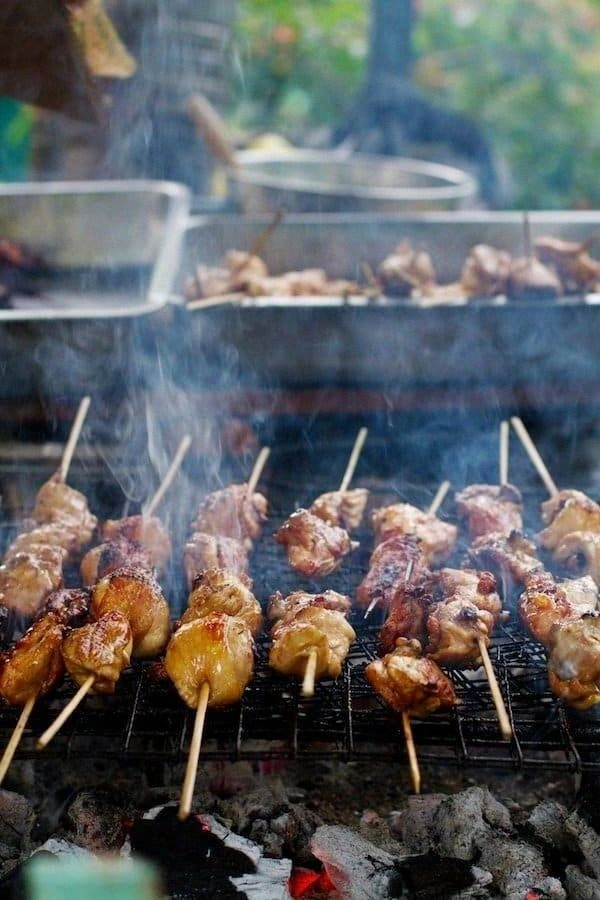
Place the skewers on the hot grill at a 45‑degree angle, allowing the grill marks to form. Grill for about 3‑4 minutes on the first side, listening for that satisfying sizzle that signals the sugars are beginning to caramelize. When you see the edges starting to pull away from the skewer, it’s time to flip. The aroma at this point is intoxicating— a sweet‑savory perfume that makes your neighbors peek over the fence.
After flipping, grill the second side for another 3‑4 minutes, or until the internal temperature reaches 74 °C (165 °F). The glaze should be a deep amber, with caramelized spots that look like tiny fireworks. If you notice any flare‑ups, move the skewers to a cooler part of the grill and close the lid briefly to control the heat.
Once cooked, remove the skewers and let them rest for 5 minutes. This resting period lets the juices redistribute, ensuring each bite stays juicy. While they rest, you can give them a final brush of oil or a squeeze of fresh calamansi for an extra zing. Serve the chicken hot, straight off the grill, with a side of steamed rice or a fresh cucumber salad to balance the richness.
And now the fun part: garnish with a sprinkle of chopped green onions or toasted sesame seeds if you like a little extra texture. Picture yourself pulling this out of the grill, the whole kitchen smelling incredible, and the first bite melting in your mouth. I’ll be honest — I ate half the batch before anyone else got to try it, and that’s a testament to how addictive this dish is.
That's it — you did it. But hold on, I've got a few more tricks that'll take this to another level…
Insider Tricks for Flawless Results
The Temperature Rule Nobody Follows
Most home cooks set their grill to “medium” and hope for the best. The truth is, you need a consistent surface temperature of 200‑220 °C for that perfect caramelization without burning. Use an infrared thermometer if you have one; it’s a cheap investment that pays off in flavor. I once tried a low‑and‑slow approach, and the chicken turned out soggy— lesson learned.
Why Your Nose Knows Best
Don’t rely solely on timers. Your nose is the ultimate gauge— when the glaze starts to caramelize, you’ll smell a sweet, nutty aroma that signals it’s time to flip. If you’re still unsure, look for the edges pulling away from the skewer; that visual cue means the sugars have set. Trusting your senses over the clock prevents overcooking and ensures that perfect glossy finish.
The 5‑Minute Rest That Changes Everything
Resting the chicken after grilling is non‑negotiable. Those five minutes allow the fibers to relax and reabsorb the juices, turning a good bite into a melt‑in‑your‑mouth experience. Skipping this step is like cutting a steak right after cooking— all the juices run out, leaving you with a dry result. So set a timer and let the chicken chill for a moment before serving.
Skewer Magic: The Double‑Layer Trick
If you’re using bamboo skewers, wrap a thin strip of banana leaf around each piece of chicken before skewering. This not only adds a subtle, earthy aroma but also prevents the meat from sticking to the skewer, making flipping a breeze. I tried this once for a backyard party and the guests swore they could taste the hint of banana leaf.
Marinade Mastery: The Overnight Boost
While the recipe works with a 2‑hour marinate, letting the chicken sit overnight in the fridge takes the flavor to a whole new dimension. The sugar penetrates deeper, and the garlic mellows into a sweet background note. Just be sure to cover the bowl tightly to avoid any cross‑contamination with other foods.
Creative Twists and Variations
This recipe is a playground. Here are some of my favorite ways to switch things up:
Spicy Sriracha Kick
Mix 1 tbsp Sriracha into the marinade for a gentle heat that complements the sweet glaze. The result is a smoky‑sweet‑spicy combo that’s perfect for those who love a little fire.
Coconut Milk Infusion
Replace ¼ cup of the soy sauce with ¼ cup coconut milk for a richer, tropical flavor. The coconut adds a subtle creaminess that balances the acidity of the calamansi.
Honey‑Ginger Glaze
Swap brown sugar for honey and add 1 tsp freshly grated ginger to the marinade. This gives the barbecue a fragrant, floral sweetness with a zingy ginger bite.
Grilled Pineapple Pairing
Thread chunks of pineapple onto the same skewers, alternating with chicken. The caramelized pineapple adds a juicy burst that elevates the overall flavor profile.
Herb‑Infused Version
Add a handful of chopped cilantro or Thai basil to the marinade for an herbaceous note that brightens the dish. This works especially well when serving with a side of jasmine rice.
Storing and Bringing It Back to Life
Fridge Storage
Place any leftover chicken in an airtight container and store in the refrigerator for up to 3 days. Reheat gently in a skillet over medium heat, adding a splash of water to revive the glaze.
Freezer Friendly
For longer storage, freeze the cooked skewers in a zip‑top freezer bag with a layer of parchment paper between each skewer to prevent sticking. They’ll keep for up to 2 months. Thaw overnight in the fridge before reheating.
Best Reheating Method
To bring the chicken back to life, preheat a grill or grill pan to medium heat, brush with a little oil, and warm the skewers for 2‑3 minutes per side. Adding a tiny splash of water to the pan before covering creates steam that restores juiciness while keeping the caramelized exterior intact.