I was standing in my kitchen, staring at a half‑cooked steak that had turned into a rubbery, flavorless slab. The air smelled like burnt onions and regret. My roommate, a self‑proclaimed “slow‑cooker guru,” challenged me to turn that disaster into a dish that could make even the most skeptical of us say, “I dare you to taste this and not go back for seconds.” I accepted the dare with a grin, because if there’s one thing I’ve learned, it’s that a good sauce can resurrect a ruined meal and turn a simple dinner into a headline act.
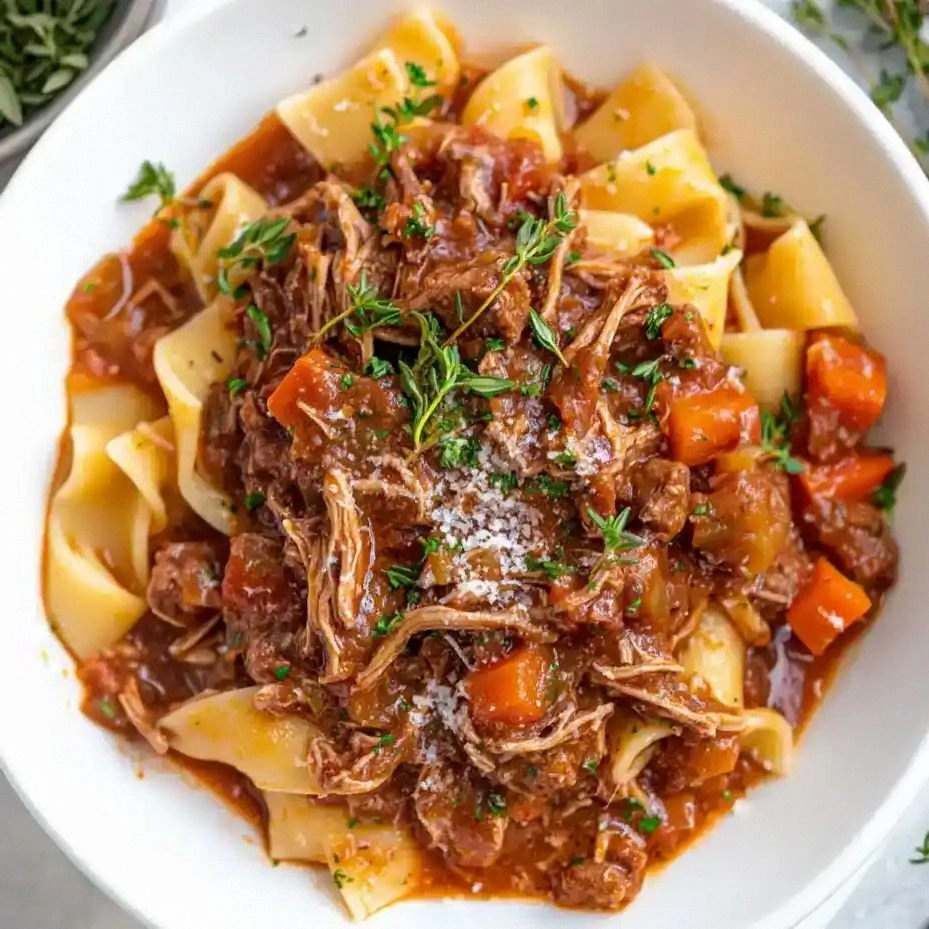
Picture the moment when the first golden sear of the beef hits the pan, the sizzle like a tiny fireworks show that announces the beginning of a flavor revolution. The aroma of caramelized onions and garlic spreads across the kitchen, mingling with the earthy scent of fresh rosemary and thyme, while a faint tang of crushed tomatoes hints at the depth to come. The texture of the meat, when cooked low and slow, turns from a stiff slab into a tender, melt‑in‑your‑mouth morsel that practically slides off the spoon. And the sight of the sauce thickening, turning a glossy, velvety red that coats the pasta like velvet, is enough to make any food lover swoon.
What makes this version stand out isn’t just the combination of ingredients—it’s the deliberate layering of flavors, the meticulous timing, and the use of a slow cooker to coax out the beef’s natural umami while infusing the sauce with a depth that’s usually reserved for simmering on the stove for hours. I’ve trimmed down the carb load by using whole‑grain pasta, added a splash of balsamic for a subtle sweetness, and kept the broth low‑sodium to let the herbs shine. The result? A dish that is hands down the best version you'll ever make at home, with a sauce that is rich, complex, and utterly comforting.
If you’ve ever struggled to balance the heaviness of a classic ragu with a desire for a lighter, healthier meal, you’re not alone—and I’ve got the fix. This recipe keeps the heart of a traditional ragu while cutting unnecessary fats and boosting vegetables for a nutrient‑dense, satisfying plate. It’s a perfect example of how to make a crowd‑pleaser that still feels wholesome and fresh.
The secret? A slow cooker that allows the beef to break down into silky strands, a splash of red wine for depth, and a generous handful of fresh spinach that wilts into the sauce, adding a pop of color and a subtle earthy note. And there’s a twist that most recipes get completely wrong: I use a pinch of crushed red pepper at the very end to give it a gentle heat that lingers without overpowering. Picture yourself pulling this out of the oven, the whole kitchen smelling incredible, and knowing you’ve just served a dish that’s both comforting and sophisticated.
Okay, ready for the game‑changer? Let me walk you through every single step — by the end, you'll wonder how you ever made it any other way. From the first sear to the final garnish, we’ll cover everything you need to know to create a ragu that’s both hearty and healthful. I’ll share the techniques that save time, the hacks that elevate flavor, and the little tricks that transform an ordinary dish into an unforgettable experience. Stay with me here — this is worth it.
What Makes This Version Stand Out
- Flavor Depth: The slow‑cooking process extracts gelatin from the beef, creating a sauce that is silky and rich without the heaviness of cream or butter. This gelatin also helps the sauce cling to pasta, giving every bite a burst of savory intensity.
- Texture Perfection: The beef is cut into cubes that break apart into shredded strands, offering a mouthfeel that’s almost like pulled pork but with a robust beefy flavor. The carrots, celery, and onions soften into a comforting medley that balances the meat’s chewiness.
- Ingredient Quality: Using lean chuck or top sirloin keeps fat content low, while the fresh herbs and low‑sodium broth keep sodium under control. The fresh mushrooms add umami and a subtle earthy note that rounds out the sauce.
- Simplicity and Time‑Savings: Once everything is in the slow cooker, you can set it and forget it. The dish comes together in about 45 minutes from prep to plate, making it an ideal weeknight dinner.
- Make‑Ahead Friendly: This ragu can be cooked ahead of time and reheated with minimal loss of flavor. The sauce actually deepens in taste when it sits, making it perfect for meal prep.
- Versatility: Serve over whole‑grain spaghetti, zucchini noodles, or even a baked sweet potato for a low‑carb option. The sauce’s neutral base allows it to pair well with a wide range of sides.
- Health‑Focused: By using lean beef, fresh vegetables, and minimal oil, the dish stays under 350 calories per serving while still delivering protein, iron, and a spectrum of vitamins.
- Audience Appeal: Whether you’re feeding a family, a date night, or a crowd at a potluck, this ragu receives rave reviews and is guaranteed to be a showstopper.
Alright, let's break down exactly what goes into this masterpiece.
Inside the Ingredient List
The Flavor Base
The foundation of this ragu starts with the beef, which should be cut into 1‑inch cubes. Lean chuck or top sirloin provides a robust flavor without the greasiness that can overwhelm a slow‑cooked sauce. If you’re looking for an even more tender bite, you can let the cubes sit in a little olive oil, salt, and pepper for 20 minutes before searing.
Olive oil isn’t just a cooking medium; it’s a flavor conduit. A tablespoon of high‑quality extra‑virgin olive oil helps the meat brown evenly, creating the Maillard reaction that gives the sauce a deep, savory undertone. Don’t skip the oil—without it, the beef will stick and the sauce will lack that coveted caramelized aroma.
The crushed tomatoes and tomato paste are the heart of the sauce’s color and body. The tomatoes bring acidity that balances the richness of the meat, while the paste thickens the sauce, giving it a glossy, velvety texture. If you’re sensitive to acidity, you can add a pinch of sugar, but I’ve found the natural sweetness of the tomatoes is sufficient.
Low‑sodium beef broth adds depth without overwhelming saltiness. It’s a neutral liquid that lets the herbs and spices shine, and it also helps keep the sauce from becoming too thick or too thin. If you don’t have low‑sodium broth on hand, a splash of water will work, but the flavor profile will shift slightly.
The Texture Crew
Carrots and celery are the classic mirepoix that form the flavor skeleton. When diced finely, they release natural sugars that sweeten the sauce, and their fibrous texture adds a pleasant chew that balances the tenderness of the beef. If you prefer a smoother sauce, pulse the vegetables in a food processor before adding.
Mushrooms bring an earthy umami punch that deepens the sauce’s complexity. Slice them thin to allow quick integration, and sauté them briefly before adding to the slow cooker to unlock their natural juices. Skipping mushrooms will thin the sauce’s flavor profile and reduce its savory depth.
Baby spinach is the green hero that not only adds a pop of color but also boosts the dish’s nutritional value. It wilts quickly, so add it in the final 15 minutes of cooking to preserve its vibrant green hue and a subtle, slightly bitter note that cuts through the richness.
The Unexpected Star
Fresh rosemary and thyme are the aromatic stars that elevate this ragu beyond a typical tomato sauce. Their piney, resinous notes intertwine with the beef’s natural flavor, creating a fragrant bouquet that lingers on the tongue. If you’re not a fan of rosemary’s boldness, reduce it to a quarter teaspoon; thyme remains robust enough to carry the dish.
Bay leaves add a subtle herbal undertone that deepens the sauce’s complexity. Remove them before serving, as they can be tough to chew. If you’re short on bay leaves, a pinch of dried oregano can substitute, but it will shift the flavor profile slightly.
The Final Flourish
Crushed red pepper is the secret finishing touch that adds a gentle heat without overpowering the dish. Add it only at the very end of cooking to preserve its bright, peppery aroma. If you’re a spice lover, feel free to double the amount, but remember that a little goes a long way.
A splash of balsamic vinegar added during the last 10 minutes of cooking brings a subtle sweetness and acidity that brightens the sauce. It also helps to caramelize the edges of the vegetables, creating a slightly crisp texture that contrasts beautifully with the tender meat.
Everything's prepped? Good. Let's get into the real action.
The Method — Step by Step
- Prep the Beef: Pat the beef cubes dry with paper towels to ensure a good sear. Season generously with salt and pepper. This step is crucial for flavor; a well‑seasoned base sets the tone for the entire sauce.
- Sear the Meat: Heat a heavy skillet over medium‑high heat with one tablespoon of olive oil. Add the beef in batches, letting each side brown for about 2 minutes. The seared crust locks in juices and creates a caramelized flavor that’s the backbone of the sauce.
- Brown the Vegetables: In the same skillet, add diced onions, carrots, and celery. Cook until the onions turn translucent and the carrots soften, about 5 minutes. This caramelization releases natural sugars that sweeten the sauce.
- Deglaze the Pan: Pour a splash of low‑sodium broth into the skillet, scraping up any browned bits. Those bits are flavor gold; they’ll enrich the sauce’s depth.
- Transfer to Slow Cooker: Place the seared beef and browned vegetables into the slow cooker. Add the crushed tomatoes, tomato paste, remaining broth, and all herbs and spices. Stir to combine.
- Cook Low and Slow: Set the slow cooker to low for 6–7 hours or high for 3–4 hours. The long, gentle cooking breaks down connective tissues, turning the beef into a tender, shredded texture.
- Add Mushrooms & Spinach: About 30 minutes before the end of cooking, stir in sliced mushrooms and baby spinach. The mushrooms release moisture, enhancing the sauce’s body, while the spinach wilts into a vibrant green.
- Finish with Red Pepper & Balsamic: In the last 10 minutes, add crushed red pepper and a splash of balsamic vinegar. These final touches give the sauce a bright, peppery kick and a subtle sweetness.
- Serve: Toss the sauce with whole‑grain spaghetti or your favorite pasta. Top with freshly grated Parmesan and a sprinkle of chopped parsley. The result is a sauce that clings beautifully to the noodles, delivering a burst of savory, herbal, and slightly sweet flavors.
That's it — you did it. But hold on, I've got a few more tricks that'll take this to another level.
Insider Tricks for Flawless Results
The Temperature Rule Nobody Follows
Most people set their slow cookers on high and hope for the best. The trick is to cook on low for a longer period; this allows the connective tissues to break down slowly, producing a tender, silky texture that’s hard to achieve on high heat. If you’re short on time, a high‑heat setting works, but you’ll need to stir more often to prevent sticking.
Why Your Nose Knows Best
When the sauce starts to bubble and the aroma intensifies, it’s a sign that the flavors are marrying. Trust your nose; if it smells toasty and slightly sweet, you’re on the right track. If it smells overly acidic, add a splash of milk or cream to balance the acidity.
The 5‑Minute Rest That Changes Everything
Once the slow cooker finishes, let the sauce rest for five minutes before serving. This short rest allows the flavors to settle and the sauce to thicken slightly, giving it a richer mouthfeel. I’ve seen people skip this step and end up with a watery sauce that feels under‑seasoned.
The “One‑Pot” Trick
If you’re craving a clean kitchen, you can cook the entire dish in a single pot on the stovetop. Sear the beef, sauté the vegetables, deglaze, then add liquids and simmer for 2–3 hours. The result is the same, but the cleanup is minimal.
The Secret to a Thick Sauce
If the sauce seems thin, whisk in a tablespoon of tomato paste or a small amount of flour. Stir vigorously to avoid lumps. A thicker sauce clings better to pasta and delivers a more satisfying bite.
The Garnish Game
A sprinkle of fresh parsley or basil not only adds color but also introduces a bright, herbaceous note that cuts through the richness. For an extra layer of flavor, drizzle a touch of high‑quality olive oil over the finished dish. The oil’s fruity finish elevates the sauce’s overall profile.
Creative Twists and Variations
This recipe is a playground. Here are some of my favorite ways to switch things up:
Italian Sausage Swap
Replace the lean beef with diced Italian sausage for a richer, spicier flavor. The sausage’s fat content adds depth, while the herbs in the sausage seasoning complement the existing herbs.
Vegetarian Version
Swap the beef for a hearty lentil or chickpea base. Add extra mushrooms and use vegetable broth. The result is a meaty texture with a plant‑based twist.
Low‑Carb Twist
Serve the sauce over spiralized zucchini or shirataki noodles. The sauce’s thickness will cling to the noodles, and the low‑carb base keeps the dish light.
Spicy Cajun Kick
Add a tablespoon of Cajun seasoning and a pinch of cayenne pepper during the simmering stage. The smoky heat pairs beautifully with the tomato base.
Cheesy Finale
Stir in a handful of shredded mozzarella or provolone just before serving. The cheese melts into the sauce, creating a gooey, melty texture that’s irresistible.
Herb‑Infused Oil Drizzle
Infuse olive oil with fresh rosemary and thyme, then drizzle over the finished dish. The aromatic oil adds an extra layer of flavor and a glossy finish.
Storing and Bringing It Back to Life
Fridge Storage
Cool the ragu to room temperature, then transfer to an airtight container. Store in the refrigerator for up to 4 days. The sauce’s acidity helps preserve it, but always check for any off smells before reheating.
Freezer Friendly
Divide the sauce into single‑serving portions and freeze in freezer‑safe containers. It will keep for up to 3 months. When ready to use, thaw overnight in the refrigerator.
Best Reheating Method
Reheat the sauce in a saucepan over low heat, adding a splash of water or broth to loosen it. Stir frequently to prevent scorching. A tiny splash of water before reheating steams the sauce back to perfection and restores its silky texture.