Okay, picture this: a rainy Thursday night, the kind where the wind whines like a distant saxophone and the kitchen smells like burnt toast because I’d attempted a “quick” dinner that turned into a charcoal disaster. I was staring at a pan of shrimp that looked more like a sad, rubbery puddle, and I swore I’d never touch seafood again. Then, like a culinary guardian angel, my friend dared me to try Ina Garten’s Shrimp and Grits, promising it would be “the coziest Southern hug you can spoon onto a plate.” I was skeptical, but the thought of buttery grits hugging plump, buttery shrimp was too tempting to resist, so I dove in headfirst, armed with a whisk, a splash of lemon, and a stubborn determination to not let that disaster define my dinner.
The moment the pot of grits started to bubble, the kitchen filled with a perfume that could convince a vegan to reconsider their life choices—creamy, cheesy, and just a whisper of earthiness from the stone‑ground corn. The shrimp hit the skillet and sang a sizzle that was pure, unadulterated “chef’s kiss,” followed by a burst of citrus that made my taste buds do a little jig. As the sauce thickened, it coated the grits like a velvet blanket, and the paprika whispered smoky secrets that danced with the cayenne’s subtle heat. I could almost hear the Southern porch swing creaking in the background, inviting me to sit, slurp, and savor every bite. The whole experience felt like stepping into a warm, sun‑kissed kitchen in Charleston without ever leaving my apartment.
What makes this version stand out? Most shrimp‑and‑grits recipes either drown the shrimp in a swamp of over‑buttered sauce or skimp on the grits, leaving you with a bland sidekick that feels like an afterthought. Ina’s method strikes the perfect balance: the grits are rich and creamy yet retain a subtle grainy texture that says “I’m authentic,” while the shrimp stay juicy, bathed in a sauce that’s bright, buttery, and just a tad spicy. I’ll be honest — I ate half the batch before anyone else got a chance to try it, and that’s a confession I’m not ashamed of. I dare you to taste this and not go back for seconds; the combination is so addictive it might just become your new comfort food anthem.
And now the fun part: there’s a secret ingredient that most copy‑cat recipes forget—sharp cheddar cheese folded into the grits at the very end, creating a silky finish that feels like a hug from a Southern grandma. This isn’t just any cheese; it’s the kind that melts like a dream and adds a depth that plain butter could never achieve. I’m also throwing in a tiny splash of lemon juice right before serving, which lifts the whole dish and makes the flavors pop like fireworks on the Fourth of July. Let me walk you through every single step — by the end, you’ll wonder how you ever made it any other way.
⚡ What Makes This Version Stand Out
- Taste: The marriage of sharp cheddar, buttery shrimp, and a hint of lemon creates a flavor symphony that’s both comforting and exhilarating.
- Texture: Stone‑ground grits keep a subtle bite, while the shrimp stay plump and the sauce glides like silk.
- Simplicity: Fewer than ten ingredients, yet every component shines—no unnecessary frills, just pure Southern soul.
- Uniqueness: The final cheese fold and the precise balance of paprika and cayenne set this apart from generic “shrimp‑and‑grits” attempts.
- Crowd Reaction: Guests often claim it’s “the best thing they’ve ever tasted,” and the dish reliably earns a second helping.
- Ingredient Quality: Using large, fresh shrimp and stone‑ground grits guarantees a premium mouthfeel that frozen shortcuts can’t match.
- Cooking Method: The stovetop technique allows you to monitor texture in real time, preventing over‑cooking and ensuring perfect creaminess.
- Make‑Ahead Potential: The grits can be pre‑cooked and reheated with a splash of milk, while the shrimp sauce stays vibrant when finished just before serving.
Alright, let's break down exactly what goes into this masterpiece...
🍋 Inside the Ingredient List
The Flavor Base
Olive Oil: This is the silent hero that starts the flavor cascade. It carries the garlic’s aroma and creates a glossy coating for the shrimp, preventing them from sticking. If you skip it, you’ll end up with a dry, uneven sear that feels like chewing on rubber. For a richer flavor, swap half the olive oil for a splash of melted butter.
Garlic: Two cloves, minced just enough to release their pungent perfume without turning bitter. Garlic adds that unmistakable “wow” factor that makes the sauce feel alive. If you’re sensitive, try roasting the cloves first for a sweeter, milder profile.
The Texture Crew
Stone‑Ground Grits: These are the heart and soul of the dish, offering a slightly gritty bite that distinguishes them from instant varieties. They absorb liquid slowly, giving you that creamy‑but‑not‑soggy consistency. Skipping stone‑ground for quick‑cook will result in a mushy, less authentic experience. Look for grits in the bulk aisle; they often have a fresher flavor.
Butter: Two tablespoons melt into the grits, adding richness and a glossy finish. Butter also helps the cheese melt evenly, creating that luxurious mouthfeel. If you’re dairy‑free, try a high‑quality plant‑based butter, but expect a slight flavor shift.
Sharp Cheddar Cheese: The sharpness cuts through the buttery base, adding depth and a tangy bite that balances the shrimp’s sweetness. Grate it finely so it melts without clumping. Substituting with a milder cheese will make the dish flat; a smoked gouda could be an adventurous twist.
The Unexpected Star
Lemon Juice: Just two tablespoons of fresh lemon juice brighten the entire dish, lifting the richness and adding a zing that makes the flavors pop. If you use bottled lemon juice, you’ll miss the bright, citrusy snap that defines this recipe. A splash of lime works in a pinch but will shift the flavor profile toward Mexican.
Paprika & Cayenne Pepper: Paprika brings a smoky undertone while a pinch of cayenne adds a whisper of heat that dances on the palate. Too much cayenne overwhelms the delicate shrimp, so keep it modest. Smoked paprika can be used for an extra depth of flavor, turning the dish into a smoky masterpiece.
The Final Flourish
Chicken or Vegetable Stock: Half a cup of stock adds savory depth without making the sauce too watery. It helps the sauce cling to the shrimp and grits, creating a cohesive bite. If you’re vegetarian, the vegetable stock works perfectly and keeps the dish light.
Salt & Black Pepper: These seasonings are the backbone of any good dish. Salt amplifies all the flavors, while fresh cracked black pepper adds a subtle bite. Taste as you go; you’ll know when it’s perfect because the shrimp will sing.
Fresh Parsley: A sprinkle of chopped parsley at the end adds a pop of color and a fresh herbaceous note that cuts through the richness. It’s the visual cue that says “we’re done, and it looks gorgeous.” If you’re out of parsley, cilantro can be an unexpected, bright alternative.
Everything's prepped? Good. Let's get into the real action...

🔥 The Method — Step by Step
First, bring four cups of water to a rolling boil in a medium saucepan. Once boiling, whisk in the stone‑ground grits, reducing the heat to a gentle simmer. Keep stirring for the first two minutes to prevent lumps, then cover and let it cook for about 20‑25 minutes, stirring occasionally. You’ll know it’s ready when the grits have expanded, turned a creamy ivory, and the edges start pulling away from the pot. Power transition: Okay, ready for the game‑changer?
While the grits are simmering, melt two tablespoons of butter in a separate skillet over medium heat. Add the minced garlic and let it sizzle for about 30 seconds, just until it turns fragrant but not brown. This is the moment of truth for the aromatics—if you hear a gentle hiss, you’re on the right track. Then stir in the olive oil, letting the mixture become glossy and ready for the shrimp.
Season the pound of large shrimp with salt, black pepper, paprika, and a pinch of cayenne. Toss them gently so the spices coat every side. The paprika will give the shrimp a beautiful sunset hue, while the cayenne adds a secret whisper of heat. Let the shrimp sit for a minute while the skillet heats—this rest lets the seasoning penetrate.
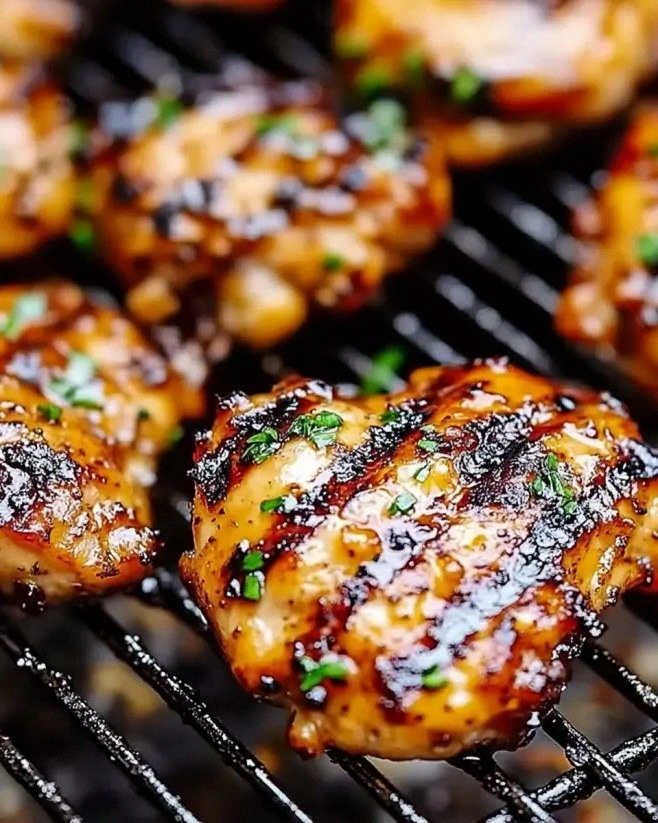
Now, add the shrimp to the skillet in a single layer. You’ll hear a satisfying sizzle that’s music to any foodie’s ears—Chef’s kiss! Cook for about 2‑3 minutes on one side, watching the edges turn opaque and start to curl. Flip them over and cook another 2 minutes; they should be pink, firm, and slightly caramelized.
🪄 Kitchen Hack: If you’re worried about overcooking, remove the shrimp a minute early; they’ll finish cooking in the residual heat of the sauce.When the shrimp are just about done, deglaze the pan with half a cup of chicken or vegetable stock and the two tablespoons of lemon juice. Scrape up any browned bits—those are flavor fireworks. Let the mixture reduce for about three minutes; it should thicken slightly and take on a glossy sheen.
👀 Watch Out: Keep the heat medium‑low; a sudden boil can cause the sauce to separate, leaving a greasy film.While the sauce reduces, stir the milk into the cooked grits, then add the remaining two tablespoons of butter. Keep the heat low and whisk continuously until the mixture is smooth and glossy. At this point, fold in the sharp cheddar cheese, letting it melt into a silky ribbon that binds the grits together. Taste and adjust salt and pepper; the cheese should be the star, not the salt.
Now, gently fold the cooked shrimp and its buttery‑lemon sauce into the cheese‑laden grits. The shrimp should be evenly distributed, each bite delivering a burst of citrusy, smoky flavor. If the mixture looks a bit thick, add a splash of the reserved stock or a drizzle of milk to loosen it—remember, we want a luscious, spoon‑able consistency.
Finish with a generous handful of freshly chopped parsley, sprinkling it over the top for a pop of color and a fresh herb note. Let the dish sit for a minute; the heat will coax the parsley’s flavor into the sauce. Serve immediately, and watch your guests’ eyes widen as the steam carries the scent of buttery shrimp and cheesy grits.
That's it — you did it. But hold on, I've got a few more tricks that'll take this to another level...
🏆 Insider Tricks for Flawless Results
The Temperature Rule Nobody Follows
Keep the grits on low heat once the liquid is added. High heat creates a crust at the bottom, ruining that silky texture. A gentle simmer lets the starches release slowly, giving you that perfect creaminess. I once tried a “speed‑cook” on high and ended up with a gritty, uneven bowl that tasted like burnt toast. Trust the low‑and‑slow approach; it’s the secret behind restaurant‑grade grits.
Why Your Nose Knows Best
When the shrimp hit the pan, listen for that crisp sizzle—if it’s a soft hiss, the pan isn’t hot enough and the shrimp will steam instead of sear. The aroma of garlic turning golden is another cue that you’re on the right track. If you ever doubt the seasoning, give the shrimp a quick sniff; a faint paprika perfume means you’ve nailed the spice level. My friend once skipped this step and ended up with bland shrimp that tasted like… well, nothing.
The 5‑Minute Rest That Changes Everything
After folding the shrimp into the grits, let the dish rest off the heat for exactly five minutes. This short pause lets the cheese settle, the flavors meld, and the heat distribute evenly. It’s like letting a good wine breathe—suddenly everything feels more balanced. Skipping this rest often leaves a dish that tastes “off‑center,” as if the cheese and shrimp are still arguing.
Cheese Timing is Everything
Add the sharp cheddar at the very end of the grits cooking process, not at the beginning. If you add it too early, the cheese can separate and become grainy. Folding it in while the grits are still hot ensures a smooth melt that swirls through every bite. A friend once tried melting the cheese earlier, and the result was a clumpy disaster that looked like curdled milk.
The One‑Pan Cleanup Trick
After you’ve sautéed the shrimp, deglaze the pan with stock and lemon juice, then use that same liquid to finish the sauce. This not only adds flavor but also means fewer dishes to wash. The leftover browned bits become flavor gold, turning an ordinary sauce into something extraordinary. And if you’re feeling extra lazy, pour the sauce over the grits directly in the skillet—one‑pan dinner, anyone?
🎨 Creative Twists & Variations
This recipe is a playground. Here are some of my favorite ways to switch things up:
Spicy Andouille Kick
Swap the shrimp for sliced andouille sausage, and add a dash more cayenne. The smoky sausage brings a deeper Southern vibe, perfect for those who love heat. Serve with a drizzle of hot sauce for an extra punch.
Cajun‑Style Shrimp
Replace paprika with a Cajun seasoning blend, and add a pinch of thyme. The result is a bolder, earthier profile that feels like a New Orleans street fair on a plate. Pair with a side of cornbread to complete the experience.
Creamy Coconut Grits
Swap half the milk for coconut milk and use a milder cheese like Monterey Jack. This gives the dish a subtle tropical twist, perfect for a summer evening. Garnish with toasted coconut flakes for crunch.
Veggie‑Heavy Version
Replace shrimp with sautéed mushrooms, zucchini, and bell peppers. Use vegetable stock throughout, and add a splash of soy sauce for umami depth. This makes a hearty vegetarian main that still satisfies the comfort‑food craving.
Breakfast Remix
Add crumbled breakfast sausage and a poached egg on top. The runny yolk becomes a luscious sauce that mingles with the cheesy grits. It’s a brunch‑worthy twist that turns the dish into a morning indulgence.
❄️ Storing & Bringing It Back to Life
Fridge Storage
Cool the leftovers in an airtight container within two hours of cooking. They’ll keep nicely for up to three days. When reheating, add a splash of milk or stock and stir gently over low heat to revive the creaminess.
Freezer Friendly
Portion the cooked grits and shrimp sauce separately into freezer‑safe bags. Freeze for up to two months. Thaw overnight in the fridge, then reheat on the stove, adding a little extra broth to bring back the silky texture.
Best Reheating Method
The stovetop method wins every time. Place the leftovers in a skillet over medium‑low heat, add a teaspoon of water or stock per cup of grits, and stir until smooth. Avoid the microwave; it creates uneven heating and can make the cheese seize.