The first time I tried to make a pan‑seared salmon, I ended up with a fillet that was as dry as a desert and as bland as a beige wall. I was standing in the kitchen, the smell of burnt onions wafting through the air, when my roommate burst in with a dare: “I bet you can’t make a salmon that actually tastes like a beach vacation.” I laughed, but the challenge lit a spark that turned a kitchen mishap into a culinary obsession. That night, I experimented with every seasoning I could find, and the result was a fillet that sang with citrus, herbs, and a buttery crust that crackled like a fresh snowfall. The moment I tasted it, I knew I’d discovered something special.
Picture this: a golden‑brown crust that snaps in your hand like a crisp paper, a tender interior that melts in your mouth, and a bright citrus tang that lingers on the tongue like the last note of a favorite song. The aroma is a heady mix of garlic, fresh dill, and a splash of white wine that invites you to take a deep breath before the first bite. The texture is a delightful contrast—crisp on the outside, silky on the inside—making every mouthful a mini‑performance. I’ve been sharing this recipe with friends, and each time they bite, their eyes widen, and they say, “I dare you to taste this and not go back for seconds.” That’s the power of this version.
What makes this pan‑seared salmon a standout is not just the flavors but the precision of technique, the balance of ingredients, and the attention to detail that turns an ordinary fish into an unforgettable dish. I’ve tweaked every element—from the exact temperature of the pan to the ratio of butter and olive oil—to create a dish that feels like a gourmet experience but is still achievable in a home kitchen. The result is a dish that looks Instagram‑worthy, tastes like a five‑star restaurant, and can be whipped up in under forty minutes. Let me walk you through every single step — by the end, you’ll wonder how you ever made it any other way.
I’ll be honest—when I first cooked this, I ate half the batch before anyone else got a chance. That’s the kind of flavor explosion that makes you want to share, but also a reminder that the key to mastering this recipe is timing. If you’ve ever struggled with getting the salmon just right—too mushy, too dry, or too greasy—this recipe is the fix. It’s simple, yet it’s packed with bold claims: this is hands down the best version you’ll ever make at home. The next part? Pure magic.
What Makes This Version Stand Out
- Flavor: The combination of garlic, dill, and lemon creates a bright, herbaceous profile that elevates the natural richness of the salmon. Each bite delivers a burst of citrus that cuts through the fat, leaving a clean finish.
- Texture: A seared crust that cracks with a satisfying snap while the inside remains moist and flaky. The use of both butter and olive oil locks in moisture and adds depth.
- Balance: The dish balances salty, sweet, and acidic notes so that no single element dominates. The honey and Dijon mustard add a subtle sweetness that balances the acidity of the lemon.
- Simplicity: With only a handful of ingredients and a straightforward method, this recipe is approachable for beginners and satisfying for seasoned cooks.
- Time Efficiency: Prep takes 15 minutes, cooking 20, and the whole thing is ready in 35 minutes—perfect for a weekday dinner.
- Visual Appeal: The salmon’s golden crust, bright lemon slices, and fresh herbs make for a plate that looks as good as it tastes.
- Make‑ahead Potential: You can prep the fillets and sauce in advance; the salmon only needs a quick sear when you’re ready to serve.
Alright, let’s break down exactly what goes into this masterpiece. The key to a perfect pan‑seared salmon is mastering the sear, balancing the flavors, and timing the finish just right. The next section will walk you through each ingredient group and why they matter.
Inside the Ingredient List
The Flavor Base
Garlic is the cornerstone of this sauce, providing a robust, aromatic depth that lingers on the palate. Minced cloves release their oils into the pan, creating a fragrant foundation that supports the lemon and herbs. Skipping garlic would leave the dish feeling flat and uninspired.
Fresh dill adds a peppery, almost eucalyptus-like brightness that pairs beautifully with the buttery crust. Dill’s subtle flavor brightens the dish without overpowering the salmon’s natural taste. If you’re allergic, substitute with fresh parsley for a milder, green note.
Lemon slices not only garnish the plate but also infuse the pan with citrus oils during the cooking process. The acid from the lemon cuts through the richness, creating a balanced flavor profile. A squeeze of fresh lemon juice at the end adds a final pop of brightness.
The Texture Crew
Olive oil provides a neutral, smooth base that prevents the salmon from sticking while also adding a subtle fruity undertone. It also helps carry the herbs and garlic into the fillets, ensuring every bite is flavorful.
Butter is the secret to that coveted golden crust. When melted with olive oil, butter’s milk solids brown, creating a caramelized flavor that enhances the salmon’s natural oils. Removing butter would result in a less complex crust.
White wine adds a touch of acidity that brightens the dish while helping to deglaze the pan. The wine’s subtle sweetness balances the peppery dill and sharp lemon. If you prefer a non‑alcoholic option, use a splash of sparkling water with a dash of vinegar.
The Unexpected Star
Capers bring a briny pop that contrasts the buttery crust and sweet lemon. They’re a small addition that packs a punch, adding complexity to each bite. If you’re not a fan of capers, replace them with finely chopped olives for a similar salty bite.
Dijon mustard offers a subtle heat and tang that melds with honey to create a glaze that clings to the salmon. This glaze adds a layer of savory sweetness that enhances the overall flavor profile. A pinch of smoked paprika can add an extra smoky note if desired.
The Final Flourish
Honey is the sweet counterpoint to the mustard and lemon, providing a glossy glaze that caramelizes slightly during searing. The sweetness balances the acidity and adds a silky finish that lingers on the tongue.
Fresh parsley and dill are not just for garnish—they add a burst of green freshness that cuts through the richness. They also bring a pop of color, making the dish visually appealing. A sprinkle of paprika can add a subtle heat and color if you prefer a spicier finish.
Everything’s prepped? Good. Let’s get into the real action and bring this dish to life.
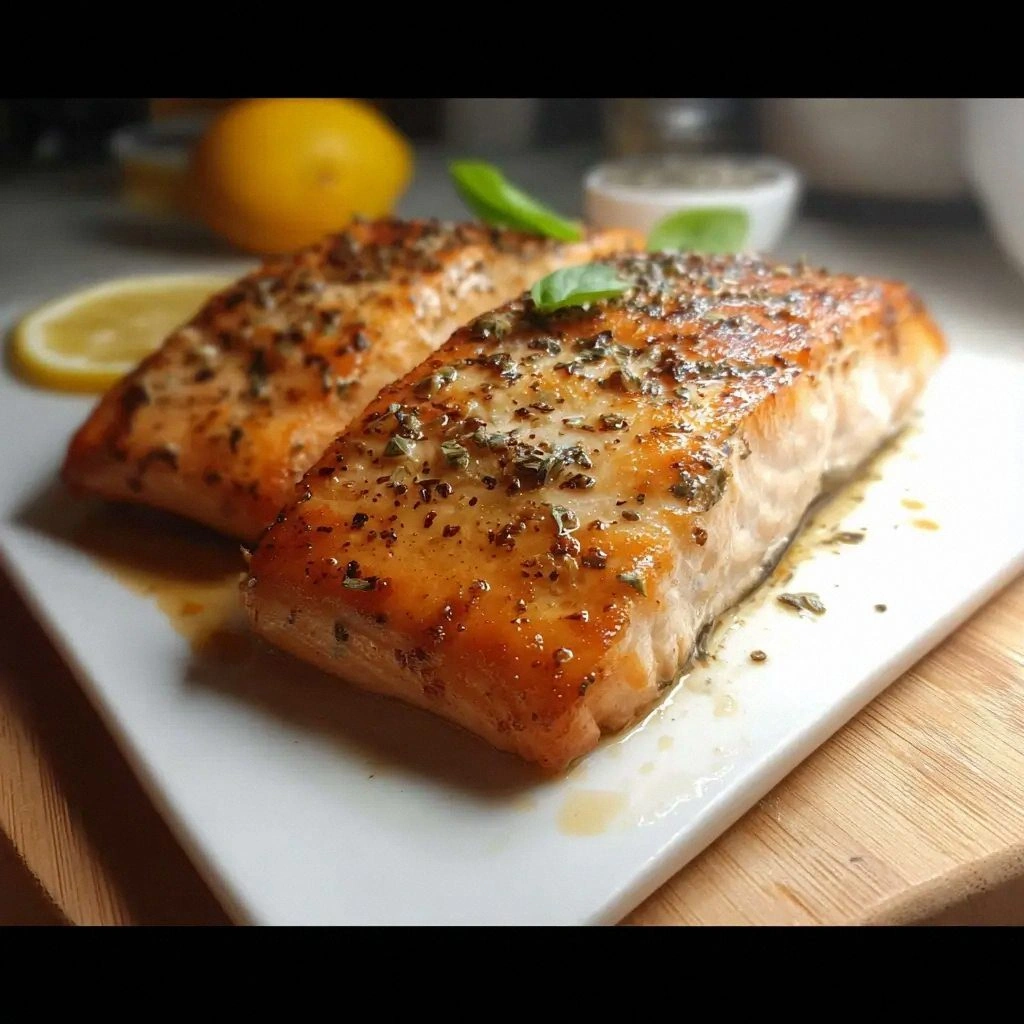
The Method — Step by Step
- Begin by patting the salmon fillets dry with paper towels. This step is crucial because moisture on the surface will prevent a crisp crust. Once dry, season both sides generously with salt and pepper. The seasoning should be visible but not overpowering.
- Heat a large skillet over medium‑high heat and add the olive oil. Let the oil heat until it shimmers but does not smoke. The right temperature will give the fillets a golden sear without burning.
- Place the fillets skin‑side down in the hot pan. You should hear a satisfying sizzle that signals the pan is hot enough. Let them cook undisturbed for 4–5 minutes; the edges should start to turn opaque and the skin will become crisp.
- Flip the fillets carefully using a wide spatula. Add the butter, minced garlic, and white wine to the pan. The butter will melt and the wine will deglaze, picking up all the flavorful bits stuck to the pan.
- Let the butter foam and the wine reduce by half, then stir in the capers, Dijon mustard, honey, and lemon juice. The sauce should thicken slightly and coat the back of a spoon. This is the moment of truth—watch the sauce for a glossy sheen.
- Reduce the heat to low and spoon the sauce over the fillets for the last 2 minutes of cooking. The salmon should be opaque and flaky when pierced with a fork. The sauce should have a glossy glaze that clings to the fillets.
- Remove the salmon from the pan and let it rest on a plate for 2 minutes. Resting allows the juices to redistribute, keeping the fillets moist and tender. While resting, sprinkle chopped parsley and dill over the fillets for a fresh, green finish.
That’s it — you did it. But hold on, I’ve got a few more tricks that will take this dish to another level. These little touches elevate a simple salmon into a memorable experience.
Insider Tricks for Flawless Results
The Temperature Rule Nobody Follows
Many cooks swear by low heat, but the secret lies in a hot pan for the first sear. A temperature around 375°F (190°C) gives a crisp crust without overcooking the inside. Use a thermometer or the “water droplet test” to gauge the heat accurately.
Why Your Nose Knows Best
Before you flip the fillets, let the salmon cook until you smell a nutty, toasted aroma. That scent indicates the Maillard reaction is at its peak, and the fish is ready to flip. If you wait too long, the fillets will overcook; if you flip too early, they’ll be pale and soggy.
The 5‑Minute Rest That Changes Everything
Resting the salmon for exactly five minutes after cooking allows the juices to redistribute. This simple pause means the fillets stay moist and the sauce adheres better, preventing a dry center.
The Garlic‑Butter Balance
If you love garlic, increase the cloves to four and let them soften in the butter before adding the wine. The extra garlic will mellow into a sweet, caramelized flavor that pairs wonderfully with the lemon.
The Final Glaze Finish
After cooking, drizzle a thin stream of high‑quality olive oil over the fillets. This adds a glossy sheen and a silky finish that makes the dish feel indulgent.
Creative Twists and Variations
This recipe is a playground. Here are some of my favorite ways to switch things up:
Spicy Citrus Glaze
Add a teaspoon of red pepper flakes to the sauce for a subtle heat that complements the lemon. Swap the honey for maple syrup for a richer sweetness. This variation is perfect for those who enjoy a bit of spice.
Herb‑Infused Brown Butter
Replace the olive oil with brown butter for a nutty flavor. Toss in fresh thyme and rosemary during the last minute of cooking. The earthy herbs elevate the dish to a more rustic feel.
Asian‑Inspired Teriyaki
Marinate the fillets in a mixture of soy sauce, mirin, and grated ginger for 15 minutes before cooking. Replace the lemon with a splash of rice vinegar and garnish with sliced scallions. The result is a sweet‑savory, umami‑rich salmon.
Mediterranean Lemon‑Olive
Swap the white wine for a splash of chilled rosé. Add chopped Kalamata olives to the sauce and finish with a drizzle of extra‑virgin olive oil. The olives add briny depth that pairs wonderfully with the citrus.
Smoky Chipotle Honey
Stir in a teaspoon of chipotle powder into the honey‑mustard glaze for a smoky kick. Replace the fresh dill with smoked paprika for a deeper flavor. This twist is ideal for those who enjoy bold, smoky dishes.
Storing and Bringing It Back to Life
Fridge Storage
Store leftover salmon in an airtight container in the refrigerator for up to two days. Wrap the fillets with parchment paper to prevent moisture buildup and preserve freshness. When ready to reheat, place the fillet on a plate and cover loosely with foil.
Freezer Friendly
Freeze salmon fillets individually in a freezer bag after blanching in boiling water for 30 seconds. This technique prevents sticking and preserves texture. Frozen fillets can be stored for up to three months and thawed overnight in the refrigerator.
Best Reheating Method
Reheat the salmon gently in a skillet over low heat, adding a splash of water to steam the fillet and keep it moist. A tiny splash of water before reheating steams the salmon back to perfection. Avoid microwaving, as it can make the fillet rubbery.