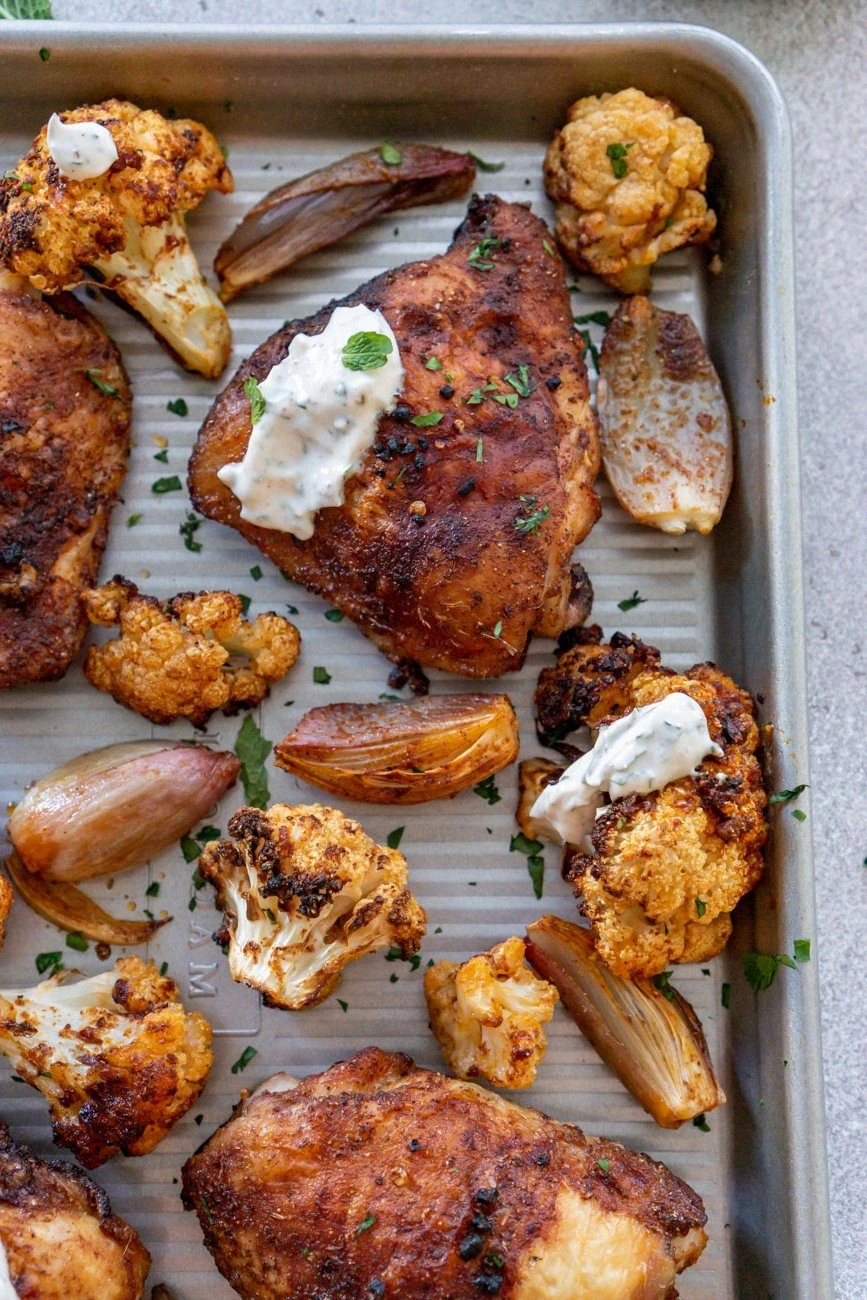
Picture this: I’m standing in a cramped kitchen, the smell of burnt garlic already filling the air, when a friend throws me a dare—make the most unforgettable roasted‑garlic kale dish ever. I stared at the blinking oven and thought, “If I can turn this disaster into a masterpiece, I’ll never look at cooking the same way again.” That night, I pulled a spaghetti squash from the fridge, sliced it, and tossed it with garlic, kale, and a splash of olive oil. The aroma that unfurled was like a velvet curtain opening to a banquet, and the sound of the squash crisping was a gentle applause for what was about to happen.
I couldn’t resist the temptation to share every trick, every tweak, and every moment that made this recipe the holy grail of comfort food. The first thing you’ll notice is the sauce—rich, silky, and coated like a fine silk robe over the noodles. The kale becomes tender but still retains a bright green pop, while the sun‑dried tomatoes add a burst of umami that dances on the tongue. The lemon zest lifts the dish, giving it a bright, almost citrusy finish that cuts through the richness. And the toasted pine nuts? They’re the perfect counterpoint, offering a satisfying crunch that refuses to let you settle for bland.
If you’re skeptical, I dare you to taste this and not go back for seconds. I’ll be honest—by the time the dish was ready, I had already eaten half of it before anyone else even had a chance. Most recipes get this completely wrong by either over‑roasting the garlic or under‑cooking the squash, but here’s what actually works: a quick 15‑minute roast that locks in flavor, a gentle sauté that preserves kale’s bright color, and a final splash of lemon that makes the whole thing feel alive. Picture yourself pulling this out of the oven, the whole kitchen smelling incredible, and the first forkful already having your heart stolen. This is hands down the best version you’ll ever make at home.
So, let me walk you through every single step. By the end, you’ll wonder how you ever made it any other way, and you’ll have a dish that’s ready to be shared, re‑heated, or even transformed into a new culinary adventure. Stay with me here—this is worth it. If you’ve ever struggled with a dish that feels like a compromise, you’re not alone, and I’ve got the fix. Let’s dive in.
What Makes This Version Stand Out
- Flavor Depth: The slow roasting of garlic brings out a caramelized sweetness that sets this dish apart from standard garlic sauces. The subtle heat from red pepper flakes adds a gentle kick that keeps the palate engaged.
- Texture Play: The squash offers a silky, spaghetti‑like bite, while the kale provides a tender crunch that’s almost theatrical. The toasted pine nuts add a satisfying snap.
- Ingredient Quality: Using a high‑grade olive oil and freshly grated Parmesan elevates the overall taste profile, making each bite feel luxurious.
- Ease of Prep: All steps can be completed in under 45 minutes, and the dish is fully assembled in a single pan, saving time and cleanup.
- Make‑Ahead Potential: The flavors develop even more after a short chill, so you can prepare it a day ahead and enjoy a ready‑to‑eat meal.
- Versatile Appeal: It’s vegetarian, gluten‑free, and can be tweaked to accommodate dietary restrictions without sacrificing flavor.
Inside the Ingredient List
The Flavor Base
Spaghetti squash is the star of this dish. When cut into thin strands, it behaves like pasta, soaking up sauce and delivering a subtle, sweet flavor. If you skip it, the dish loses its comforting, noodle‑like texture and turns into a plain vegetable medley. For the best results, choose a medium‑size squash that weighs between 1½ and 2 pounds. A quick tip: preheat the oven to 400°F before you start; this ensures an even roast.
Garlic is more than just a seasoning here; it’s the backbone of the sauce. Roasting the cloves caramelizes their sugars, turning them into a silky, sweet paste that coats the squash and kale. If you leave the garlic raw, the dish will taste harsh and underdeveloped. A swap you can try is roasted garlic with a splash of balsamic vinegar for a tangy twist, but keep the roasting time the same to preserve texture.
Olive oil acts as the medium that brings everything together. It carries the roasted flavors, helps the kale wilt, and creates a glossy finish. If you’re on a lower‑fat diet, a light drizzle of avocado oil works as a neutral alternative, but the olive oil’s fruity notes are essential for authenticity. A buying tip: look for extra‑virgin olive oil with a harvest date within the last year for maximum flavor.
The Texture Crew
Kale is the crunchy, green component that adds both nutrition and color. Chopped into bite‑sized pieces, it wilts quickly but retains a pleasant bite when sautéed with garlic and olive oil. If you omit the kale, the dish becomes more like a simple squash and tomato bake, lacking the depth that leaves diners asking for seconds. For a lighter version, try baby kale or spinach, which will cook faster and offer a milder flavor.
Pine nuts provide a subtle nutty flavor and a satisfying crunch. Toasting them in a dry pan until golden brings out their natural oils and prevents a stale taste. If pine nuts are out of season or too pricey, chopped walnuts or almonds can be used as a budget-friendly alternative, though the flavor profile will shift slightly.
The Unexpected Star
Sun‑dried tomatoes add a concentrated burst of umami that balances the sweetness of the squash. Their chewy texture contrasts nicely with the tender kale. If you can’t find sun‑dried tomatoes, fresh cherry tomatoes roasted until blistered can replicate the sweetness, but the texture will be different.
Lemon zest and juice bring brightness and cut through the richness of the olive oil and cheese. The zest offers a citrusy aroma that awakens the senses, while the juice adds a subtle tang that lifts the entire dish. If you’re sensitive to acidity, reduce the lemon juice to half a tablespoon, or use a splash of white wine for a gentler lift.
The Final Flourish
Parmesan cheese adds a salty, savory depth that coats the dish like a fine silk ribbon. It melts beautifully into the sauce, creating a creamy consistency that’s both comforting and indulgent. If you’re vegan, nutritional yeast or a dairy‑free parmesan alternative can replicate the umami, though the texture will be slightly different.
Red pepper flakes are optional but recommended for a subtle heat that balances the sweetness of the squash and the richness of the cheese. A pinch goes a long way; too much can overpower the delicate flavors. If you prefer a completely mild version, simply leave them out and enjoy the pure, sweet harmony of the other ingredients.
Everything’s prepped? Good. Let’s get into the real action.
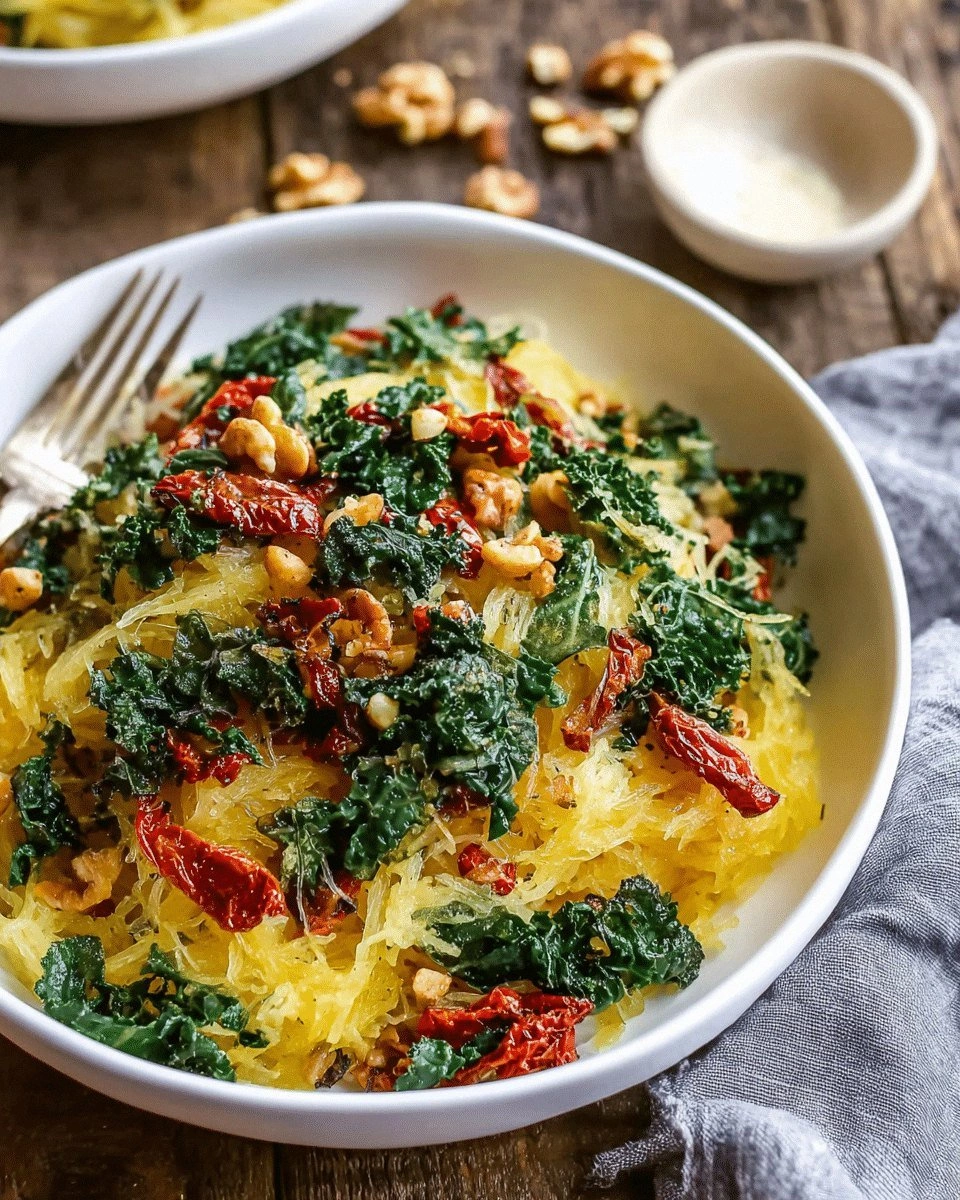
The Method — Step by Step
- Preheat your oven to 400°F (200°C). While the oven warms, slice the spaghetti squash lengthwise, remove the seeds, and cut the flesh into thin strips that resemble spaghetti strands. This step is crucial because even spacing ensures a consistent roast.
- Place the squash strips on a baking sheet lined with parchment paper. Drizzle them with 1 tablespoon of olive oil, sprinkle with sea salt, and toss so every strand is coated. Roast for 15 minutes, flipping halfway through, until the edges turn a golden brown and the strands are tender yet firm.
- While the squash roasts, wrap 4 whole garlic cloves in foil. Place them in the oven for the last 10 minutes of the squash’s cooking time. The foil traps steam, preventing the garlic from burning and producing a buttery, sweet paste.
- In a large skillet, heat 2 tablespoons of olive oil over medium heat. Add the chopped kale and sauté for 2 minutes until it begins to wilt. Then add the roasted garlic (pushed out of its shell and mashed), 1 teaspoon of red pepper flakes, and the sun‑dried tomatoes. Cook for another 3 minutes, ensuring the tomatoes soften slightly.
- Add the roasted spaghetti squash to the skillet, stirring gently to combine. Pour in 1 tablespoon of lemon juice and sprinkle 1 teaspoon of lemon zest. The citrus brightens the dish and balances the richness.
- Reduce the heat to low, sprinkle in 1/2 cup of grated Parmesan, and stir until the cheese melts into a silky sauce. If the sauce seems too thick, add a splash of warm water to reach your desired consistency.
- Toast 1/4 cup of pine nuts in a dry pan over medium heat until golden. Set aside. Sprinkle the toasted nuts over the finished dish for a final crunch and nutty aroma.
- Serve immediately, garnished with additional Parmesan and a squeeze of fresh lemon if desired. The dish is best enjoyed hot, but it also holds up well for leftovers.
That’s it—you did it. But hold on, I’ve got a few more tricks that will take this to another level.
Insider Tricks for Flawless Results
The Temperature Rule Nobody Follows
Many cooks think a higher oven temperature will caramelize everything faster, but the truth is a moderate 400°F ensures even roasting without burning the garlic. If you push it to 425°F or higher, the squash can dry out and the garlic may burn, creating a bitter aftertaste. Stick to the 400°F mark and you’ll get that perfect golden edge with a tender center.
Why Your Nose Knows Best
The scent of garlic roasting is a powerful indicator of readiness. As soon as the garlic emits a sweet, caramelized aroma, it’s ready to be mashed. If you wait too long, the garlic can turn bitter; if you take it too early, you’ll lose the depth of flavor. Trust your nose—once the scent hits that sweet spot, the garlic is done.
The 5‑Minute Rest That Changes Everything
After removing the skillet from heat, let the mixture rest for five minutes. This brief pause allows the flavors to marry and the sauce to thicken slightly, ensuring each bite is cohesive. It also gives the kale a chance to finish wilting without becoming mushy.
The Secret to Perfect Kale
Kale can become limp if overcooked. Add it after the squash is almost done and cook for just 2–3 minutes, then remove it from the pan to stop the cooking process. This technique preserves the bright green color and a pleasant bite.
The Power of Pine Nuts
Toasting pine nuts not only brings out their natural oils but also prevents them from becoming rancid. Toast them until they’re just golden and fragrant, then let them cool before adding. If you’re in a hurry, you can skip the toasting step, but the dish will lack that nutty depth.
Creative Twists and Variations
This recipe is a playground. Here are some of my favorite ways to switch things up:
Protein Power
Add grilled chicken or shrimp for a protein boost. Toss the cooked protein into the skillet with the kale and squash, allowing the flavors to meld. This variation turns the dish into a hearty main course.
Mediterranean Twist
Replace the Parmesan with crumbled feta and add a handful of Kalamata olives. The briny olives and tangy feta create a Mediterranean vibe that’s perfect for summer gatherings.
Spicy Kick
Increase the red pepper flakes to 1½ teaspoons or add a splash of hot sauce. The heat will contrast nicely with the sweetness of the squash, making the dish more adventurous.
Vegan Version
Use a vegan parmesan alternative and replace the olive oil with a neutral oil like grapeseed. The dish remains creamy and flavorful, and the texture stays intact.
Gluten‑Free Upgrade
Serve the dish over a bed of quinoa or cauliflower rice instead of spaghetti squash if you’re looking for a low‑carb option. The grains add a different texture while keeping the dish gluten‑free.
Breakfast Edition
Top the dish with a poached egg and a drizzle of hot sauce. The runny yolk adds richness, turning this into a satisfying brunch that’s both sweet and savory.
Storing and Bringing It Back to Life
Fridge Storage
Store the finished dish in an airtight container in the refrigerator for up to 3 days. The flavors will mellow, making it even more delicious for the next day. When reheating, add a splash of water or broth to keep the sauce from drying out.
Freezer Friendly
You can freeze the dish for up to 2 months. Portion it into freezer bags, remove excess air, and label with the date. Thaw overnight in the refrigerator before reheating.
Best Reheating Method
Reheat in a skillet over low heat, stirring frequently, and add a tiny splash of water or broth. This step steams the dish back to perfection, restoring its silky sauce and tender vegetables. Serve immediately after reheating for the best texture.