I’ll be honest — the first time I tried to make a low‑calorie lasagna, I ended up with a soggy mess that resembled a wilted garden after a rainstorm. The sauce pooled like a lazy river, the noodles clumped together, and the whole thing smelled like a sad excuse for dinner. After that culinary disaster, I dared my roommate to a “who can make the healthiest lasagna that still tastes like a hug?” and that dare turned into a full‑blown obsession. I spent a week combing through cookbooks, scouring nutrition blogs, and even consulting a dietitian, all to crack the code of a lasagna that would make your waistline wink and your taste buds cheer.
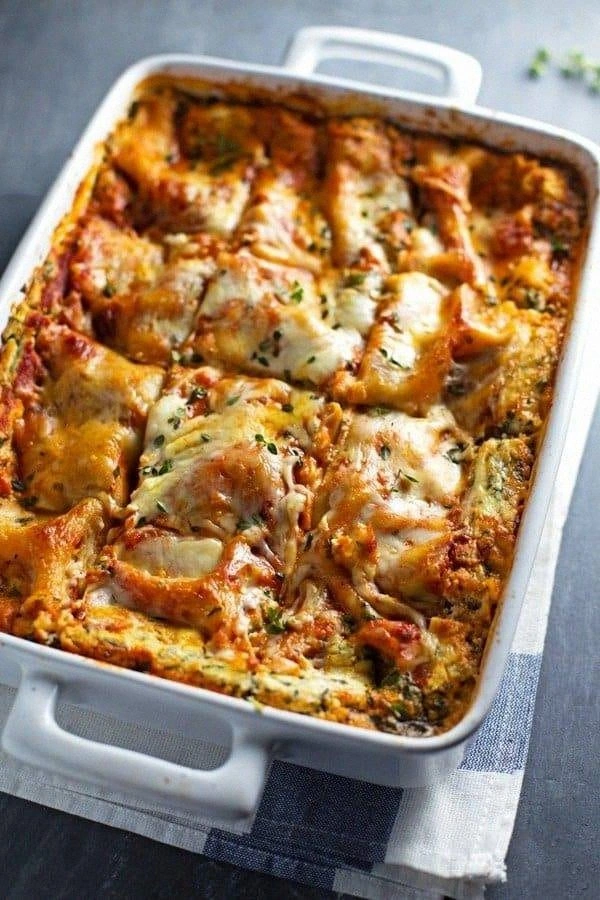
Picture this: a golden‑brown top that cracks just enough to reveal a molten cheese crown, the layers of pasta whispering “al dente” with every bite, and a spinach‑infused sauce that clings to the noodles like velvet. The aroma drifts from the oven, a heady mix of garlic, oregano, and a subtle hint of nutmeg that makes your stomach do a little dance. You can hear the faint sizzle of the olive oil as it hits the pan, feel the heat radiating from the tray, and taste the bright acidity of the tomato balanced perfectly by the creamy low‑fat dairy. It’s a sensory symphony that says, “I’m indulgent, but I’m also smart.”
What makes this version truly stand out is the daring swap of traditional heavy cheeses for low‑fat cottage cheese and part‑skim mozzarella, while still keeping that luxurious mouthfeel. The secret weapon? A splash of unsweetened tomato sauce thickened with a quick reduction and a handful of fresh spinach that adds color, iron, and a hint of earthiness without the extra calories. I’m daring you to taste this and not go back for seconds; the flavor profile is so bold you’ll forget you’re eating something “skinny.”
I’ll let you in on a little secret that most recipes miss: a tiny pinch of freshly grated nutmeg folded into the cheese mixture. It’s the kind of subtle spice that makes the cheese sing, turning an ordinary layer into a chorus of comfort. And the best part? You can prep everything ahead of time, freeze the assembled layers, and pop them into the oven for a weeknight miracle. Let me walk you through every single step — by the end, you’ll wonder how you ever made it any other way.
What Makes This Version Stand Out
- Flavor Explosion: The combination of low‑fat cottage cheese with a touch of mozzarella creates a creamy, tangy base that rivals full‑fat ricotta, all while keeping the calories in check.
- Texture Triumph: By briefly boiling the lasagna sheets and then shocking them in ice water, each noodle retains a firm bite that doesn’t turn mushy during baking.
- Simple Prep: All components can be pre‑cooked or assembled in under 30 minutes, making it perfect for busy weeknights or meal‑prep Sundays.
- Unique Spin: Fresh spinach is sautéed with garlic and onion, then blended into the sauce, giving the dish a vibrant green hue and a nutritional boost.
- Crowd‑Pleaser: Even the most skeptical meat‑eaters admit this version is “the best lasagna they’ve ever had without the guilt.”
- Ingredient Quality: Using whole‑wheat noodles and extra‑virgin olive oil adds fiber and heart‑healthy fats without compromising flavor.
- Cooking Method: A two‑stage bake—first covered, then uncovered—creates a moist interior and a crispy, golden top.
- Make‑Ahead Magic: Assemble the lasagna up to 24 hours ahead, refrigerate, and bake fresh; the flavors meld beautifully overnight.
Inside the Ingredient List
The Flavor Base
The heart of any lasagna is its sauce, and here we use a no‑sugar‑added tomato sauce reduced over low heat until it thickens to a velvety consistency. The reduction concentrates the natural sweetness of the tomatoes, allowing the garlic and onion to shine without overwhelming the palate. If you skip this step, you’ll end up with a watery layer that dilutes the entire dish, turning the lasagna into a soggy casserole.
A splash of olive oil at the start of sautéing not only prevents sticking but also adds a buttery undertone that rounds out the acidity of the tomatoes. For a richer depth, you can add a splash of red wine, but keep it to no more than a quarter cup so the calories stay low.
The Texture Crew
Whole‑wheat lasagna noodles bring a nutty flavor and extra fiber, giving the dish body without the heaviness of traditional egg noodles. When cooked al dente, they hold their shape during the second bake, ensuring each bite has that satisfying chew. If you opt for gluten‑free sheets, make sure they’re the no‑boil variety to avoid extra cooking time.
Low‑fat cottage cheese replaces ricotta, offering a light, fluffy texture while still delivering that dairy richness. It’s mixed with a single egg to bind the layers, and a pinch of nutmeg adds a warm, subtle spice that elevates the cheese without adding calories. Skipping the egg will make the filling crumbly, so keep it in the mix.
The Unexpected Star
Fresh spinach is the surprise hero that brings a burst of green color and a mountain of nutrients. By sautéing it briefly with garlic and onion, the spinach wilts just enough to release its water, which we then drain to avoid excess moisture in the final bake. If you use frozen spinach, make sure to thaw and squeeze out every drop of liquid, or the lasagna will turn into a soggy swamp.
A dash of Italian seasoning—think oregano, basil, and thyme—infuses the layers with aromatic depth. This blend is the shortcut to a complex flavor profile that would otherwise require hours of simmering a meat‑based sauce. Feel free to adjust the herbs to your liking; a little rosemary can add an earthy note that pairs beautifully with the spinach.
The Final Flourish
Low‑fat mozzarella and a modest sprinkle of Parmesan create that golden, bubbly crust we all crave. The mozzarella melts into stretchy ribbons, while the Parmesan crisps at the edges, producing “crispy edges that shatter like thin ice” when you cut into the lasagna. If you prefer a sharper bite, increase the Parmesan by a tablespoon; just watch the salt level.
A pinch of freshly ground black pepper and a whisper of salt finish the dish, balancing the acidity of the tomato and the richness of the cheese. Remember, the cheese already carries some salt, so taste before you add more. A tiny grind of pepper at the very end adds a subtle kick that lingers on the palate.
Everything's prepped? Good. Let's get into the real action...
The Method — Step by Step
Preheat your oven to 375°F (190°C). While the oven warms, bring a large pot of salted water to a rolling boil. Add the whole‑wheat lasagna noodles and cook them for 6‑7 minutes, just until they’re al dente. Drain, rinse under cold water to stop the cooking process, then drizzle a teaspoon of olive oil and toss gently to keep them from sticking. Okay, ready for the game‑changer? This short shock keeps the noodles firm during the second bake.
In a large skillet, heat 1 tablespoon of olive oil over medium heat. Add the finely diced onion and sauté until translucent, about 3 minutes. Toss in the minced garlic and let it sizzle for another 30 seconds—That sizzle when it hits the pan? Absolute perfection. Add the fresh spinach, stirring until it wilts, then season with a pinch of salt and pepper. Drain any excess liquid, then set the spinach mixture aside.
Kitchen Hack: Roughly chop the spinach after it wilts; this prevents clumps in the sauce and ensures an even distribution of green throughout each layer.Now, pour the no‑sugar‑added tomato sauce into the same skillet, add the Italian seasoning, and bring it to a gentle simmer. Let it reduce for 8‑10 minutes, stirring occasionally, until it thickens enough to coat the back of a spoon. Taste and adjust the seasoning—if it feels too acidic, add a pinch of sugar or a splash of balsamic vinegar, but keep it light to stay skinny.
In a mixing bowl, combine the low‑fat cottage cheese, one beaten egg, half of the shredded mozzarella, and the grated Parmesan. Fold in the sautéed spinach mixture, then sprinkle in the nutmeg and a pinch of black pepper. This cheese‑spinach blend should be smooth yet slightly textured; if it looks too dry, add a tablespoon of the reduced tomato sauce.
Grab a 9×13‑inch baking dish and lightly coat the bottom with a thin layer of the tomato sauce. Lay three lasagna noodles side by side, overlapping just enough to cover the base. Spoon a generous layer of the cheese‑spinach mixture over the noodles, then drizzle with more tomato sauce. Repeat the layering—noodles, cheese, sauce—until you’ve used all ingredients, finishing with a final blanket of sauce on top.
Sprinkle the remaining mozzarella evenly across the surface. This will melt into a golden, bubbly crown that’s the visual promise of the dish. Cover the dish tightly with aluminum foil, sealing the edges so steam can circulate without escaping.
Place the covered lasagna in the preheated oven and bake for 20 minutes. Then, remove the foil and continue baking for another 10‑12 minutes, or until the cheese on top turns a deep, mouth‑watering amber and the edges start pulling away from the pan. This is the moment of truth—watch for the cheese to develop those crispy edges that shatter like thin ice.
Watch Out: If you open the oven too early, the top cheese may not brown properly, leaving you with a pale, uninviting finish.Once baked, let the lasagna rest for 8‑10 minutes before slicing. This rest period allows the layers to set, making each slice hold its shape and preventing the sauce from spilling everywhere. Picture yourself pulling this out of the oven, the whole kitchen smelling incredible, and the first forkful sliding off the plate like silk.
Serve hot, perhaps with a simple side salad of mixed greens dressed with lemon and a drizzle of olive oil. That bright, citrusy contrast will cut through the richness and keep the meal balanced. And now the fun part—watch your guests devour it, eyes widening at the sight of that golden top, and hear the chorus of “more, please!” echo around the table.
That's it — you did it. But hold on, I've got a few more tricks that'll take this to another level...
Insider Tricks for Flawless Results
The Temperature Rule Nobody Follows
Never bake a lasagna at a temperature lower than 350°F. The heat needs to be high enough to create steam that cooks the interior while simultaneously browning the cheese on top. If you lower the heat to “save energy,” you’ll end up with a mushy center and a pale, unappetizing crust. My friend tried 325°F once — let’s just say the lasagna resembled a soggy pancake, and we had to order pizza.
Why Your Nose Knows Best
The aroma is your most reliable indicator of doneness. When the tomato sauce starts to caramelize and the cheese releases a nutty, buttery scent, you’re in the sweet spot. Trust that nose; it will tell you when the edges are pulling away and the top is turning that perfect amber. If you’re ever in doubt, a quick peek at the cheese—once it’s bubbling and golden, you’re golden.
The 5‑Minute Rest That Changes Everything
Allowing the lasagna to rest for five minutes after it comes out of the oven does more than just look professional. During this short cooling period, the steam settles, the cheese firms up, and the sauce thickens just enough to cling to each noodle. Skipping this step will result in a runny mess that slides off the plate, ruining the presentation.
Layering Like a Pro
When you layer, start with sauce, then noodles, then cheese, and repeat. This ensures every bite has a balanced mix of sauce, pasta, and cheese. If you stack too many noodles together, the middle will be dry; if you dump all the cheese at the bottom, the top will be overwhelming. Consistency is the key to a harmonious mouthfeel.
Freezer‑Friendly Assembly
If you want to make this ahead, assemble the lasagna up to the point of adding the final mozzarella. Wrap the dish tightly in foil, then freeze. When you’re ready to bake, add the mozzarella, cover with foil, and add an extra 10 minutes to the cooking time. The result is just as fresh as if you’d built it that day.
Creative Twists and Variations
This recipe is a playground. Here are some of my favorite ways to switch things up:
Mushroom Medley
Swap half of the spinach for a blend of sautéed cremini and shiitake mushrooms. The earthy umami will deepen the flavor profile, making it a hit for mushroom lovers. Add a splash of soy sauce to the sauce for an extra layer of depth.
Spicy Southwest
Introduce a teaspoon of chipotle in adobo to the tomato sauce and replace the Italian seasoning with a cumin‑coriander mix. Top with a sprinkle of reduced‑fat cheddar for a smoky, spicy twist that pairs well with avocado slices on the side.
Protein‑Packed
Add 1 cup of cooked, shredded chicken breast or turkey to the cheese‑spinach mixture. This turns the lasagna into a high‑protein main that’s perfect for post‑workout meals. Keep the seasoning the same; the poultry will soak up the herbaceous notes wonderfully.
Vegan Velvet
Replace cottage cheese with silken tofu blended with nutritional yeast, and use dairy‑free mozzarella. Use a plant‑based olive oil and a tomato sauce fortified with roasted red peppers. The result is a creamy, dairy‑free lasagna that still feels indulgent.
Herb‑Infused Ricotta
Swap the cottage cheese for part‑skim ricotta mixed with fresh basil, parsley, and a hint of lemon zest. This adds a bright, aromatic layer that lifts the entire dish, making it ideal for spring gatherings when fresh herbs are abundant.
Storing and Bringing It Back to Life
Fridge Storage
Cool the lasagna to room temperature, then cover tightly with foil and store in the refrigerator for up to 3 days. When reheating, preheat the oven to 350°F, add a splash of water around the edges, and cover with foil for 15 minutes before removing the foil for an additional 5 minutes to re‑crisp the cheese.
Freezer Friendly
Wrap the fully assembled, unbaked lasagna in a double layer of foil and place it in a freezer‑safe bag. It will keep for up to 2 months. To bake from frozen, increase the bake time by 20 minutes and keep it covered for the first 30 minutes, then finish uncovered for a golden top.
Best Reheating Method
For individual slices, microwave on medium for 1‑2 minutes, then finish under a broiler for 2 minutes to restore the crispness. Adding a tiny splash of water to the edges before microwaving creates steam that revives the sauce without drying it out.