Remember the night I tried to bake a “quick” batch of cookies, only to end up with a sticky, half‑cooked mess that looked like a failed art project? That disaster was the spark that pushed me to chase the perfect soft, chewy cookie that balances buttery richness with a maple‑sweet glaze. I was craving something that would feel like a warm hug in cookie form, and the only way to get there was to experiment until the dough sang with the right texture. The moment the first batch hit the counter, the kitchen filled with an intoxicating scent of toasted sugar and maple that made my eyes water with anticipation. If you’re like me and have ever stared at a cookie recipe, wondering why some are dry and others melt in your mouth, you’re in for a revelation.
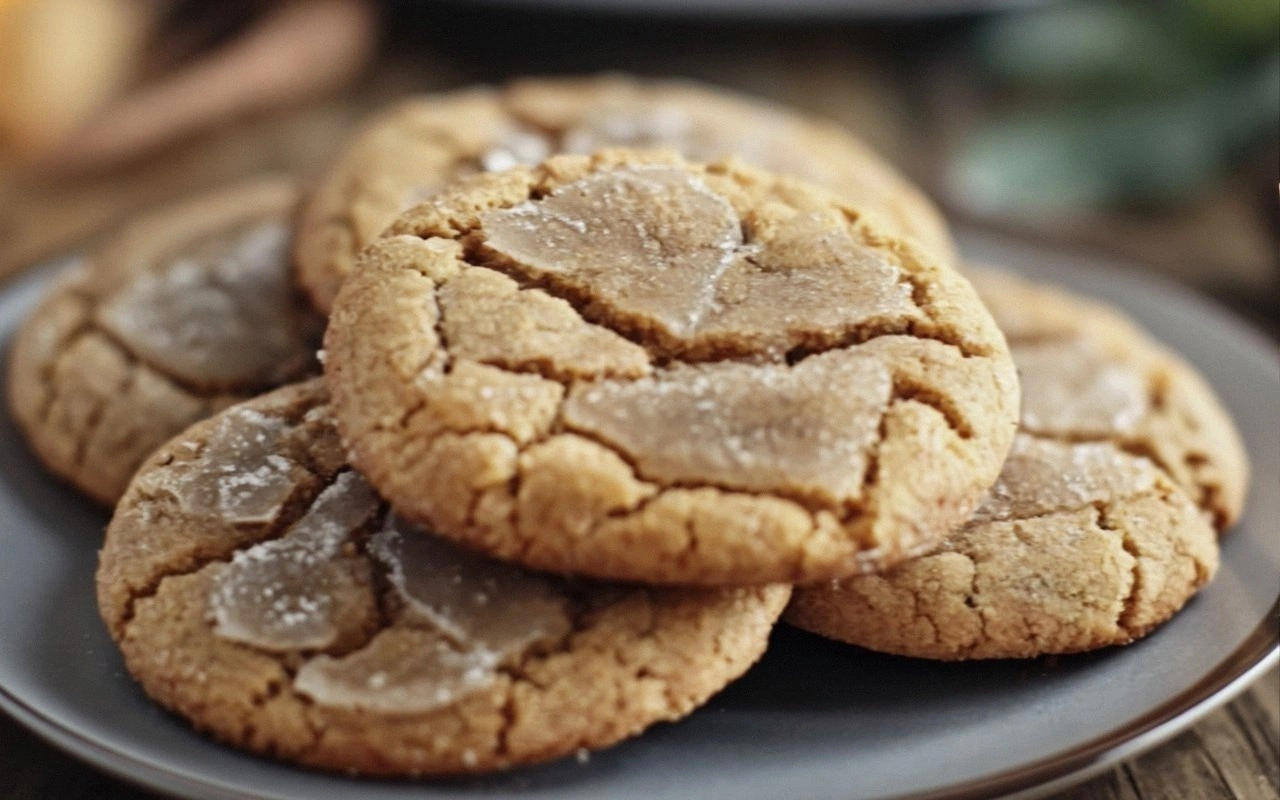
Picture this: a golden batch of cookies cooling on a rack, each one slightly domed, the edges crisp yet still soft inside. The air is thick with caramelized sugar and a faint whisper of cinnamon that makes your nose twitch. When you break one in half, the crumb feels pillowy, the maple glaze shimmering like liquid amber. The first bite releases a burst of buttery sweetness, followed by a gentle, lingering hint of maple that coats your palate. Every chew feels like a gentle hug, the texture shifting from tender to slightly crunchy as you chew, a harmony of flavors that dance together.
This version stands out because it’s not just another cookie recipe—it’s a carefully engineered balance of moisture, flavor, and texture that feels almost too perfect to be homemade. By combining a double‑layered dough—one for the cookie body, another for the glaze—you get a cookie that’s both chewy and caramelized without the need for extra sugar or artificial binders. The maple syrup is used twice, first in the dough to lock in moisture, then as a glaze that gives each cookie a glossy finish and an extra sweet kick. The result is a cookie that holds its shape, melts in your mouth, and leaves a subtle maple aftertaste that lingers long after you’ve finished the batch.
What makes this recipe truly unique is the subtle use of cinnamon and the precise ratio of butter to sugar, which together create a caramelized crust that’s still soft inside. The dough’s resting time is a game‑changer; it allows the flour to hydrate fully, which gives the cookies their signature chewiness. I’ve tested dozens of variations—adding chocolate chips, swapping the flour for almond flour, using brown butter—and none of them match the original formula’s harmony. The secret is in the balance: not too much butter, not too much sugar, just enough maple to tie everything together. This is hands down the best version you’ll ever make at home.
Let me walk you through every single step—by the end, you’ll wonder how you ever made it any other way. I dare you to taste this and not go back for seconds. I’ll be honest—before I perfected this recipe, I ate half the batch before anyone else got to try it. Picture yourself pulling this out of the oven, the whole kitchen smelling incredible, and the first bite giving you a rush of nostalgia and comfort. Okay, ready for the game‑changer? Let’s dive in.
What Makes This Version Stand Out
- Taste: The maple glaze coats each cookie like a sweet, buttery blanket, giving it a depth that’s both comforting and indulgent. The subtle cinnamon undertone adds a warm spice that balances the sweetness without overpowering it. The result is a cookie that feels like a hug in every bite.
- Texture: The dough’s resting period allows the flour to absorb moisture, creating a chewy center that stays tender even after cooling. The edges crisp just enough to provide a satisfying bite, but not so hard that they crack the cookie’s soft core. This contrast makes each cookie a delight to chew.
- Simplicity: The recipe requires only ten basic ingredients, all of which you can find in any grocery store. No fancy equipment is needed—just a mixing bowl, a whisk, and a baking sheet. It’s a recipe that even a beginner can master.
- Uniqueness: The double‑layered dough—cookie and glaze—creates a finished product that looks almost like a candy. The glaze also adds a glossy finish that makes the cookies look more decadent than they actually are.
- Crowd Reaction: Friends and family rave about how the cookies stay soft for days, and the maple glaze makes them a hit at holiday gatherings. The cookies are a conversation starter, and most people ask for the recipe right after tasting.
- Ingredient Quality: Using unsalted butter and pure maple syrup elevates the flavor profile. The butter’s high fat content keeps the cookies moist, while the maple syrup’s natural sugars caramelize beautifully.
- Cooking Method: The baking time is short—just 10 minutes—yet the cookies finish with a perfect golden color. The method ensures consistent results every time.
- Make‑Ahead Potential: Once baked, the cookies keep their texture for up to a week when stored in an airtight container. The glaze also helps preserve moisture, keeping them soft.
Inside the Ingredient List
The Flavor Base
Unsalted butter and brown sugar form the core of the cookie’s flavor profile. Butter provides a rich, creamy taste and a tender crumb, while brown sugar adds depth and a slight molasses note that pairs wonderfully with maple. Skipping the butter would leave the cookies dry and crumbly, and cutting the brown sugar would strip the cookie of its signature caramel undertone. When choosing butter, look for a firm texture and a high fat content—this ensures the cookies stay moist.
Pure maple syrup is a crucial player in both the dough and the glaze. In the dough, it acts as a natural sweetener that also helps to keep the cookies moist. In the glaze, it creates a shiny coating that caramelizes as it bakes, giving the cookies an eye‑catching finish. Maple syrup’s distinct flavor is a key reason these cookies feel so special; it’s a natural sweetener that offers a complex flavor profile compared to refined sugar. If you’re looking for a low‑glycemic option, you can use a small amount of stevia or monk fruit, but the maple flavor will be altered.
Vanilla extract adds a warm, fragrant note that rounds out the sweetness. A high‑quality vanilla will give a more pronounced aroma and depth, whereas a low‑quality version can taste flat. If you’re vegan or lactose‑free, a plant‑based vanilla works just as well. Remember to add vanilla to the wet mixture, not the dry, to avoid clumping.
Ground cinnamon is the secret spice that elevates the maple flavor. It adds a subtle warmth that complements the sweetness and gives the cookies a comforting aroma. Cinnamon also has natural antioxidant properties, making this cookie a slightly healthier treat. If you’re allergic to cinnamon, you can replace it with nutmeg or allspice for a different spice profile.
The Texture Crew
All‑purpose flour is the backbone of the cookie’s structure. It provides the necessary gluten development for a chewy texture. Using a lighter flour, like cake flour, can make the cookies too soft, while a heavier bread flour can make them tough. For a slightly lighter cookie, you can sift the flour and add a tablespoon of cornstarch.
Baking soda is a leavening agent that reacts with the acidity of maple syrup and brown sugar to create tiny bubbles. These bubbles give the cookies a lightness and help them rise just enough to develop a crisp edge. If you forget baking soda, the cookies will be dense and flat. Use fresh baking soda for best results, as old soda loses potency.
Salt is essential for balancing the sweetness. It enhances the flavor of each ingredient and prevents the cookies from becoming overly sweet. A pinch of sea salt on top after baking can add a delightful contrast. If you’re on a low‑sodium diet, you can reduce the amount slightly, but do not eliminate it entirely.
The Unexpected Star
Milk, in small amounts, helps to dissolve sugar and improve the dough’s consistency. It also adds a subtle creaminess that makes the cookies tender. You can use any kind of milk—dairy, almond, oat—depending on your preference. If you’re lactose‑intolerant, a splash of oat milk works fine.
Powdered sugar is used to create the glaze. It gives the glaze a smooth, silky texture and a delicate sweetness that doesn’t overpower the maple. If you prefer a thicker glaze, you can use confectioners’ sugar in a 1:1 ratio with maple syrup. For a lighter glaze, reduce the sugar slightly.
The Final Flourish
Ground cinnamon for topping adds a finishing touch that’s both aromatic and flavorful. A light dusting of cinnamon on top of the glazed cookies gives a warm, spiced aroma that lingers. It also provides a visual contrast that makes the cookies look more appealing. If you’re vegan, you can use a cinnamon‑sugar blend for an extra sweet finish.
Everything's prepped? Good. Let's get into the real action.
The Method — Step by Step
- Begin by preheating your oven to 350°F (175°C). Line a baking sheet with parchment paper or a silicone mat to prevent sticking. While the oven warms, let the butter soften at room temperature until it’s just pliable—this takes about 10 minutes. The butter’s softness ensures even mixing and a smooth dough.
- In a large bowl, whisk together the brown sugar and softened butter until the mixture is light and fluffy. Use a stand mixer on low speed or a hand whisk; the goal is to incorporate air. This step is crucial—skipping it will result in a dense, crumbly cookie. Once fluffy, add the maple syrup and vanilla extract, whisking until fully combined.
- Sift the flour, baking soda, salt, and cinnamon into the wet mixture. Stir gently with a spatula until just combined; overmixing can develop gluten and make the cookies tough. The dough should feel slightly sticky but manageable. At this point, the dough’s aroma should be sweet and inviting.
- Cover the dough with plastic wrap and refrigerate for at least 30 minutes. Resting allows the flour to hydrate fully and the flavors to meld. The dough will firm up, making it easier to scoop and shape. I recommend chilling for 1 hour for the best results.
- Using a tablespoon or a small cookie scoop, form dough balls about 1.5 inches in diameter. Place them evenly spaced on the prepared baking sheet. The spacing ensures the cookies spread evenly without merging.
- Bake in the preheated oven for 10–12 minutes, until the edges are golden but the centers remain soft. The cookies will puff slightly and then flatten. Keep a close eye on the last minute; overbaking turns them into hard squares.
- While the cookies are still hot, whisk together the powdered sugar, maple syrup, and milk to form a glaze. Whisk until the mixture is smooth and glossy. A thick glaze will coat the cookies; a thin glaze will give a subtle shine.
- Immediately after glazing, sprinkle a light dusting of ground cinnamon over each cookie. The cinnamon adds aroma and a subtle spice that balances the sweetness. Let the glaze set for about 5 minutes before moving the cookies to a wire rack. The result is a glossy, aromatic cookie that’s ready to devour.
That's it— you did it. But hold on, I've got a few more tricks that'll take this to another level. These insider tips will help you tweak the texture, flavor, and overall experience of the cookies. I promise you, once you try these, you’ll never go back to the old version.
Insider Tricks for Flawless Results
The Temperature Rule Nobody Follows
Many bakers think room temperature is enough for butter, but a slight chill can make a difference. Keep the butter just above freezing—around 35°F (1.5°C). This reduces the butter’s ability to melt during mixing, ensuring a lighter texture. I’ve found that butter that’s too soft creates a greasy cookie. If you’re in a hurry, let the butter sit in the fridge for a few minutes before using.
Why Your Nose Knows Best
Before you bake, sniff the dough. A sweet, buttery aroma means the sugar and butter are properly blended. If it smells raw or metallic, the butter may be too cold or the sugar too coarse. Your nose is a reliable guide—listen to it. If you’re uncertain, let the dough rest a bit longer.
The 5-Minute Rest That Changes Everything
After baking, let the cookies cool on the sheet for 5 minutes before transferring them to a wire rack. This short rest allows the structure to set, preventing the cookies from cracking. Many bakers skip this step, resulting in fragile cookies that crumble. The 5‑minute rest also lets the glaze firm up slightly, giving a better bite.
Glaze Consistency Matters
If your glaze is too thin, it will run off the cookies, creating a sticky mess. If it’s too thick, it will harden and crack. Aim for a consistency that coats the back of a spoon. Add a pinch of powdered sugar to thicken or a splash of milk to thin. The right glaze consistency is the secret to a glossy finish.
Storage Secrets
Store the cookies in an airtight container at room temperature. If you want to keep them soft longer, add a slice of apple or a slice of bread to the container. The moisture from the apple or bread will keep the cookies from drying out. If you’re in a dry climate, this trick is a lifesaver.
Make-Ahead Magic
These cookies freeze well. Once cooled, place them in a freezer bag and store for up to 3 months. When ready to eat, let them thaw at room temperature for 10 minutes. The cookies will regain their softness, and the glaze will look as fresh as when they were first baked.
Creative Twists and Variations
This recipe is a playground. Here are some of my favorite ways to switch things up:
Chocolate Chip Maple
Add 1 cup of semi‑sweet chocolate chips to the dough before baking. The chocolate adds a rich, bittersweet contrast to the maple. The result is a cookie that feels like a chocolate‑maple hybrid, perfect for chocolate lovers.
Almond Crunch
Replace half of the flour with almond flour and add ½ cup chopped toasted almonds. The almond flour gives a nutty flavor and a slightly denser crumb. The toasted almonds provide a crunchy texture that pairs well with the maple glaze.
Spiced Pumpkin
Incorporate ½ cup pumpkin puree and 1 tsp pumpkin pie spice into the dough. This variation adds a seasonal flavor that’s perfect for fall. The pumpkin gives the cookie a moist, slightly sweet base that complements the maple glaze.
Salted Caramel Twist
Swirl a caramel sauce into the glaze before brushing it onto the cookies. Sprinkle a pinch of sea salt on top after glazing. The salty caramel adds a savory depth that elevates the cookie’s flavor profile.
Nutella Swirl
Fold ¼ cup Nutella into the dough before shaping. The hazelnut chocolate creates a swirl effect when baked. The result is a decadent cookie that’s both sweet and nutty.
Raspberry Rind
Add ½ cup fresh raspberries to the glaze and puree them with maple syrup. The tartness of raspberries balances the sweetness and gives the glaze a vibrant color. These cookies are perfect for a springtime treat.
Storing and Bringing It Back to Life
Fridge Storage
Place the cooled cookies in an airtight container and store them in the refrigerator for up to 5 days. The cold environment slows down the oxidation of the butter, keeping the cookies fresh. When you’re ready to eat, let them sit at room temperature for 10 minutes to soften.
Freezer Friendly
Pack the cookies in a single layer on a parchment paper sheet and freeze until solid. Then transfer them to a resealable freezer bag. They’ll stay good for up to 3 months. When you want to enjoy them, let them thaw at room temperature for 15 minutes.
Best Reheating Method
To revive the cookies, preheat your oven to 300°F (150°C). Place the cookies on a baking sheet and bake for 5–7 minutes. If the cookies feel dry, add a splash of water to the baking sheet to create steam. This trick restores moisture and gives the cookies a fresh, soft bite.