I was standing in a cramped apartment kitchen, staring at a rack of pork ribs that looked as if it had been through a war zone. The previous night’s attempt at a simple stir‑fry had left the meat dry, the sauce too thin, and my taste buds still craving something that would make my friends gasp. I remembered a friend’s rave about a sticky Asian rib recipe that supposedly turned even the most ordinary cut into a caramelized, umami‑laden masterpiece. Determined to beat that memory, I set out to create a version that would leave everyone asking for the recipe after the last bite.
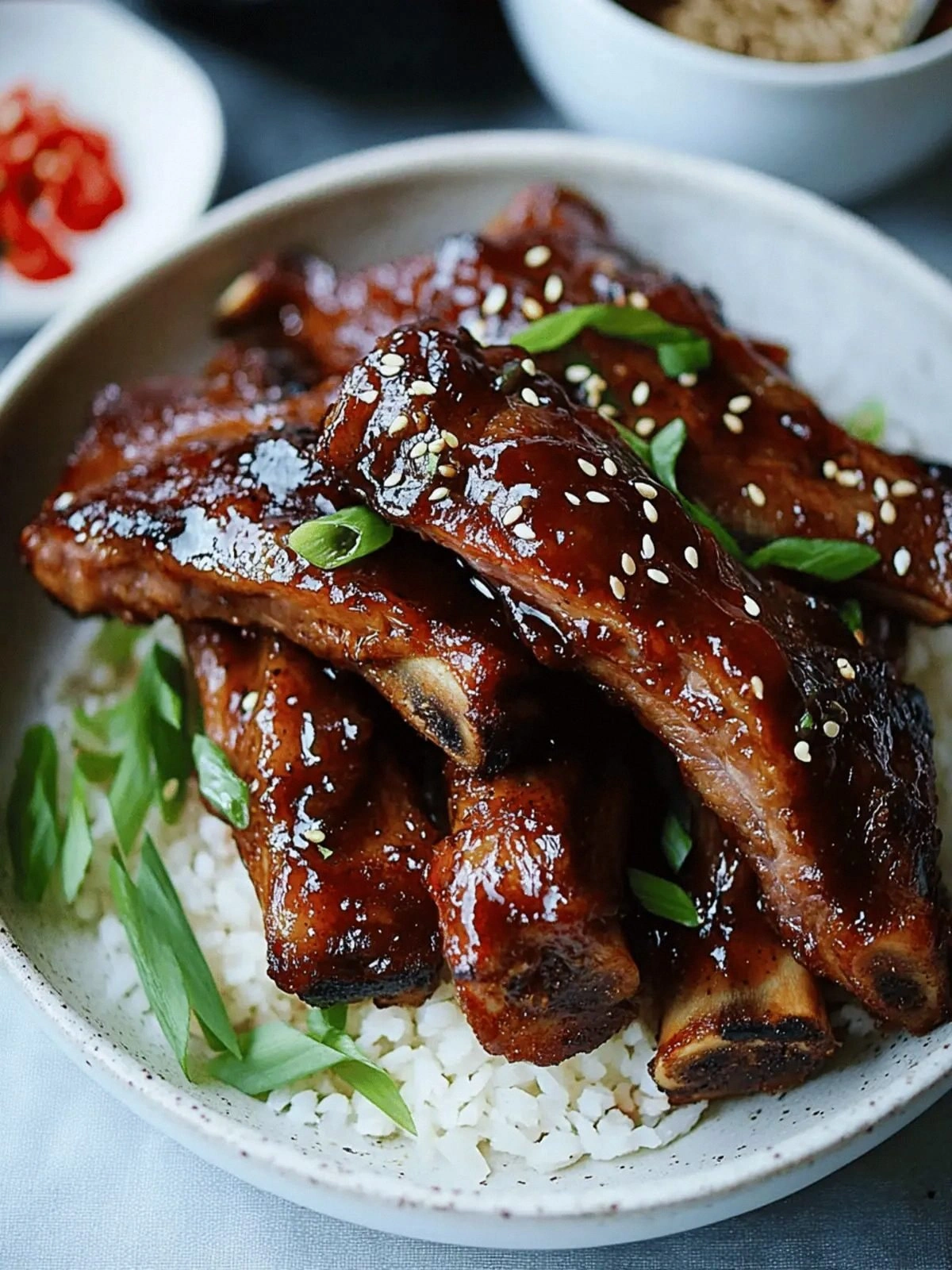
From the moment the ribs hit the skillet, the kitchen filled with a heady aroma of soy, ginger, and a hint of citrus from the vinegar. The sound of the sizzle was a rhythmic drumbeat, promising that something spectacular was about to happen. The heat kissed the meat, creating a glossy glaze that clung to every contour, while the steam curled like a fragrant mist. I could taste the sweet‑savory balance even before the first bite, and the anticipation was almost tangible. The texture was a promise of tender meat that would fall off the bone with a satisfying snap.
What makes this version stand out is not just the combination of sauces and aromatics, but the precise balance of heat, sweetness, and acidity that turns every chew into a flavor explosion. I dared you to taste this and not go back for seconds, because the glaze is so addictive that you’ll be tempted to lick the pan. The sauce coats the ribs like velvet, yet the edges crisp up into a caramelized crunch that shatters like thin ice when you bite. The result is hands down the best version you’ll ever make at home, with a depth of flavor that feels both comforting and adventurous. I’ll be honest — I ate half the batch before anyone else got to try it, and that’s a testament to how good it is.
Most recipes get this completely wrong by either over‑cooking the meat or under‑developing the glaze. The secret lies in a slow‑bake that allows the sugars to caramelize without burning, and a final sear that adds that irresistible smoky char. Picture yourself pulling this out of the oven, the whole kitchen smelling incredible, and seeing the glossy sheen of the sauce reflecting the light. And now, ready for the game‑changer? Let me walk you through every single step — by the end, you’ll wonder how you ever made it any other way.
What Makes This Version Stand Out
- Taste: The sauce is a harmonious blend of sweet, salty, and acidic notes, creating a flavor profile that lingers on the palate. The subtle hint of mirin adds a gentle sweetness that balances the saltiness of soy sauce. The final sear brings a smoky depth that elevates the overall experience.
- Texture: The ribs achieve a perfect combination of melt‑in‑your‑mouth tenderness and a caramelized, slightly crunchy exterior. The glaze thickens into a glossy coating that clings to every bite without becoming sticky. The result is a multi‑sensory texture that keeps you coming back for more.
- Simplicity: With only a handful of pantry staples and fresh aromatics, you can create restaurant‑quality ribs in under an hour. No complicated marinades or secret ingredients required. The method is straightforward, yet the outcome is extraordinary.
- Uniqueness: The use of oyster sauce and dark soy sauce adds depth that most home recipes miss. The combination of rice vinegar and mirin gives a bright counterpoint to the rich sauce. The result is a distinctive flavor that sets this dish apart.
- Crowd Reaction: Guests will be amazed by the glossy glaze and the tender meat. The dish is guaranteed to be a conversation starter at any dinner party. You’ll hear “What’s in the sauce?” over and over.
- Ingredient Quality: Choosing fresh ginger and garlic, and a good quality soy sauce, makes a noticeable difference. The quality of the pork ribs also plays a crucial role; a well‑marbled rack ensures maximum flavor.
- Cooking Method: Slow baking followed by a quick sear creates a depth of flavor that simmering alone cannot achieve. The method locks in juices while developing a caramelized crust.
- Make‑Ahead Potential: The ribs can be prepared a day ahead, allowing the flavors to meld even further. Reheating restores the glaze’s shine without compromising texture.
Inside the Ingredient List
The Flavor Base
The foundation of this sauce is a balanced trio of soy sauce, rice vinegar, and mirin. Soy sauce brings umami and depth; rice vinegar adds acidity that brightens the glaze; mirin contributes a subtle sweetness that rounds out the flavor profile. Together they create a sauce that is both complex and approachable. Skipping any of these will alter the harmony, making the dish either too salty or too sweet. When selecting soy sauce, opt for a low‑sodium version if you prefer a lighter taste.
The Texture Crew
Brown sugar and oyster sauce are responsible for the glaze’s thickness and caramelization. Brown sugar dissolves slowly, allowing the sugars to caramelize during baking, while oyster sauce adds a subtle briny depth that balances the sweetness. The dark soy sauce, used in smaller quantity, imparts a deeper color and richer flavor. If you can’t find oyster sauce, hoisin sauce can be a suitable substitute, though it will change the flavor slightly.
The Unexpected Star
Fresh ginger and garlic are the aromatic heart of the dish. Ginger adds a peppery warmth that cuts through the richness, while garlic provides a savory backbone. Smashed garlic releases more flavor than minced, and sliced ginger ensures even distribution of heat. If you’re allergic to garlic, try using garlic powder sparingly, but the fresh bite will be missing.
The Final Flourish
Sesame oil, green onion, chilis, and sesame seeds elevate the dish’s finishing touch. Sesame oil gives a nutty aroma that lingers after each bite. Green onion and chilis add freshness and a mild heat, while toasted sesame seeds provide a subtle crunch. These ingredients are optional but recommended for an authentic experience. If you prefer a milder version, reduce the chili or omit it entirely.
Everything’s prepped? Good. Let’s get into the real action...
The Method — Step by Step
- Preheat the oven to 160°C (320°F). While the oven warms, pat the pork ribs dry with paper towels. This step ensures a crisp exterior. Place the ribs on a wire rack set over a baking sheet to allow air circulation. The even heat will help the glaze develop properly.
- Combine the sauce ingredients. In a medium saucepan, whisk together soy sauce, rice vinegar, mirin, brown sugar, oyster sauce, and dark soy sauce. Add the sliced ginger and smashed garlic. Bring to a gentle simmer over medium heat, stirring until the sugar dissolves completely. The mixture should thicken slightly, forming a syrupy consistency.
- Marinate the ribs. Transfer the ribs to a shallow dish and pour half of the sauce over them, making sure each piece is well coated. Let them marinate for at least 30 minutes; the longer you wait, the deeper the flavor. This step is crucial for the ribs to absorb the sauce’s complexity.
- Bake the ribs. Arrange the ribs on the wire rack, placing the remaining sauce on top. Bake for 45 minutes, or until the internal temperature reaches 70°C (160°F). During the last 10 minutes, increase the oven temperature to 200°C (400°F) to caramelize the glaze. The ribs should be tender and the glaze glossy.
- Finish with a sear. Heat a cast‑iron skillet over high heat until it shimmers. Brush the ribs with sesame oil and sear each side for 1–2 minutes, watching for the glaze to bubble and set. This step adds a smoky char that balances the sweet glaze.
- Rest before serving. Remove the ribs from the skillet and let them rest for 5 minutes. This allows the juices to redistribute, ensuring each bite is juicy. While resting, sprinkle chopped green onion, sliced chilis, and toasted sesame seeds for a fresh finish.
- Plate and serve. Slice the ribs between the bones for an elegant presentation. Drizzle any remaining glaze over the top for an extra burst of flavor. Serve immediately with steamed rice or a crisp salad.
- Optional glaze drizzle. If the glaze has thickened too much, whisk in a splash of water to loosen it before drizzling. This keeps the sauce from becoming too sticky on the plate.
That’s it — you did it. But hold on, I’ve got a few more tricks that will take this to another level...
Insider Tricks for Flawless Results
The Temperature Rule Nobody Follows
Many cooks rely on time alone, but the internal temperature is the real indicator of doneness. Use an instant‑read thermometer to check for 70°C (160°F). This ensures the ribs are juicy without being undercooked. The thermometer also helps you avoid over‑baking, which can dry out the meat.
Why Your Nose Knows Best
Before you even touch the skillet, pause and inhale the aroma of the simmering sauce. A sweet, caramelized scent means the sugars are developing correctly. If the smell is too sharp, the vinegar is dominating; reduce it slightly. Your nose is a reliable guide to flavor balance.
The 5‑Minute Rest That Changes Everything
Resting the ribs after searing allows the juices to redistribute, preventing them from spilling out when you cut into the meat. A brief rest also gives the glaze a chance to set, creating a glossy finish. Skip this step, and you’ll end up with a dry center.
The Quick Marinate Trick
If you’re pressed for time, combine the sauce ingredients and let the ribs sit in the mixture for just 15 minutes. The flavors will still penetrate, though not as deeply. This trick is perfect for a last‑minute dinner party.
The Sesame Oil Finish
Sesame oil has a low smoke point, so use it only during the final sear. It imparts a nutty aroma that elevates the dish’s finish. If you’re sensitive to heat, add a splash of sesame oil to the sauce instead.
Creative Twists and Variations
Citrus Burst
Swap out the rice vinegar for a blend of lime and orange juice. The citrus will add a bright, zesty punch that complements the sweetness. This variation is perfect for spring and summer gatherings.
Spicy Sichuan
Add Sichuan peppercorns and a handful of dried chilies to the sauce. The peppercorns provide a unique numbing heat that pairs well with the sweet glaze. This version is great for adventurous eaters who love a kick.
Herb‑Infused
Incorporate fresh Thai basil and cilantro into the final garnish. The herbs add a fresh, aromatic layer that contrasts the rich sauce. Serve with jasmine rice to complete the flavor profile.
Smoky Chipotle
Replace half of the soy sauce with chipotle adobo sauce. The smoky flavor will deepen the glaze’s complexity. Pair this with a side of grilled corn for a complete Southwestern twist.
Miso‑Marinated
Blend white miso into the sauce for a savory umami boost. The miso adds depth and a slightly earthy tone. This variation works well with a side of sautéed bok choy.
Ginger‑Grape Fusion
Add a splash of grape juice to the sauce for a subtle fruitiness. The grape juice pairs wonderfully with the ginger, creating a unique flavor profile. This is an unexpected but delightful twist.
Storing and Bringing It Back to Life
Fridge Storage
Place the cooked ribs in an airtight container and refrigerate for up to 3 days. The glaze may thicken slightly, but it will still taste great. When ready to serve, reheat gently in a skillet over low heat, adding a splash of water to loosen the glaze.
Freezer Friendly
Wrap the ribs tightly in plastic wrap and place them in a freezer bag. They can be stored for up to 2 months. Thaw overnight in the refrigerator before reheating. The texture remains tender, and the glaze retains its flavor.
Best Reheating Method
Reheat in a preheated oven at 150°C (300°F) for 10 minutes, then finish in a skillet with a splash of water. This method restores the glaze’s shine without drying out the meat. Serve immediately for the best experience.