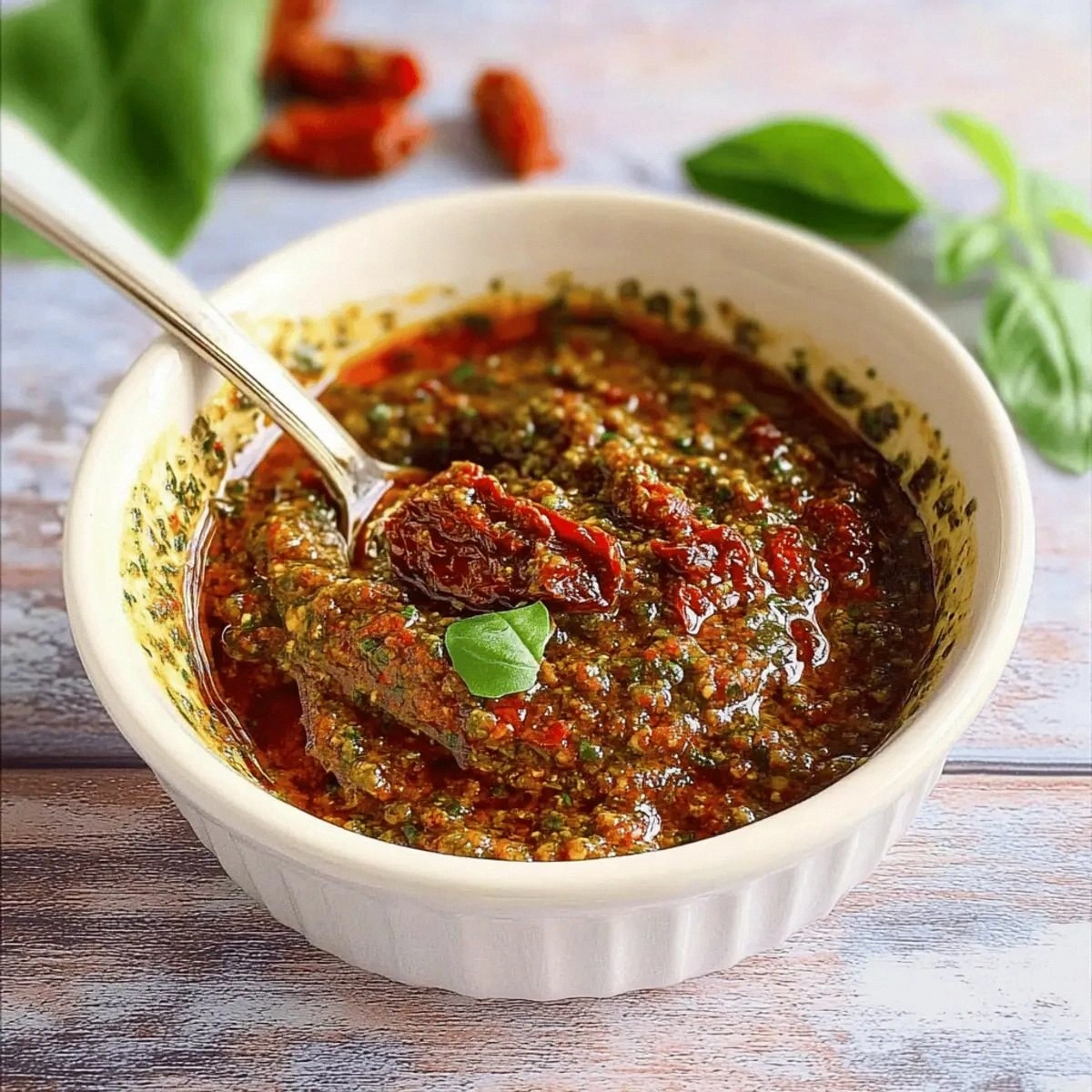
I was standing in my kitchen, a chaotic battlefield of half‑finished sauces and a lingering scent of burnt garlic that made me swear off cooking forever—until a daring friend tossed me a challenge: “Make a pesto that could convince a meat‑lover to go vegan.” I laughed, rolled up my sleeves, and dove headfirst into a jar of sun‑dried tomatoes that looked like ruby‑red confetti waiting to explode. The moment those plump, chewy gems hit the cutting board, a wave of tangy, sweet perfume hit my nostrils, and I knew we were about to create something legendary. I can still hear the faint pop of the basil leaves as I shredded them, a sound that reminded me of tiny fireworks celebrating the start of a culinary adventure.
Fast forward a few frantic minutes, and the kitchen was a kaleidoscope of colors: vivid green basil, deep orange‑red tomatoes, and the buttery gold of pine nuts shimmering under the kitchen lights. The air was thick with the earthy aroma of fresh oregano and the warm, nutty whisper of toasted pine nuts, while the olive oil glistened like liquid amber, promising a silky finish. I tasted a spoonful and felt the sauce coat my tongue like a velvet blanket, the flavors dancing in perfect harmony—bright, savory, and just the right amount of umami. I dared you to taste this and not go back for seconds, because honestly, I ate half the batch before anyone else got a chance to try it.
Most pesto recipes get this completely wrong—they either drown the delicate basil in oil or overload the palate with cheese, leaving you with a greasy, one‑dimensional mess. This version, however, flips the script: sun‑dried tomatoes bring a concentrated sweetness that balances the herbaceous basil, while a splash of vegan Parmesan adds a salty, cheesy depth without any dairy. I’m being honest—this is hands down the best version you’ll ever make at home, and it will make you question every other pesto you’ve ever known. The secret? A quick flash‑roast of pine nuts and a pinch of sea salt that awakens every other ingredient like a conductor raising his baton.
Okay, ready for the game‑changer? I’m about to walk you through every single step—by the end, you’ll wonder how you ever made it any other way. Picture yourself pulling this out of the bowl, the whole kitchen smelling incredible, and the sauce gleaming like emerald‑gold treasure, just waiting to be tossed over pasta, spread on toast, or drizzled over roasted veggies. This next part? Pure magic. Stay with me here — this is worth it.
What Makes This Version Stand Out
- Flavor Explosion: Sun‑dried tomatoes add a natural sweetness and depth that regular tomatoes can’t match, creating a complex flavor profile that sings.
- Silky Texture: The careful balance of oil and nuts gives the sauce a buttery consistency that coats pasta like velvet without being greasy.
- Simplicity: Only eight ingredients, all pantry‑friendly, and you won’t need any fancy gadgets—just a good food processor.
- Vegan Confidence: No dairy, no eggs, just pure plant‑based goodness that even non‑vegans rave about.
- Crowd Reaction: Serve it at a dinner party and watch guests scramble for the recipe—this pesto becomes the star of the table.
- Ingredient Quality: Using high‑quality, oil‑packed sun‑dried tomatoes and fresh basil makes a world of difference in taste.
- Make‑Ahead Potential: It stores beautifully in the fridge or freezer, ready to rescue you on busy weeknights.
- Versatility: Perfect for pasta, sandwiches, grain bowls, or as a dip—your imagination is the only limit.
Inside the Ingredient List
The Flavor Base
Sun‑dried tomatoes are the heart of this pesto. Their concentrated sweetness and slight tang replace the usual bright acidity of raw tomatoes, giving the sauce a deep, umami‑rich backbone. If you skip them, you’ll lose that luxurious depth and end up with a one‑note herb sauce. Look for tomatoes packed in oil for extra richness, or rehydrate dry ones in warm water for 15 minutes before using.
Fresh basil leaves provide the classic, aromatic green note that defines any pesto. The leaves should be vibrant, not wilted, and give off a sweet, peppery scent when you crush them. If basil is out of season, substitute with a mix of flat‑leaf parsley and a splash of lemon zest to keep the freshness alive.
The Texture Crew
Pine nuts bring a buttery crunch that rounds out the sauce’s mouthfeel. Their mild flavor lets the tomatoes and basil shine without competing. In a pinch, you can swap them for toasted walnuts or almonds, though the taste will shift slightly toward nuttier tones.
Garlic adds that pungent kick that wakes up the palate. Two cloves are enough to give a subtle heat without overwhelming the delicate herbs. If you’re sensitive to raw garlic’s bite, lightly roast the cloves first for a sweeter, mellow flavor.
The Unexpected Star
Vegan Parmesan, usually made from cashews or nutritional yeast, injects a salty, cheesy richness that mimics dairy Parmesan without the animal products. It also helps to thicken the sauce just enough to cling to pasta. If you can’t find a ready‑made version, blend ¼ cup raw cashews with 2 tbsp nutritional yeast, a pinch of salt, and a splash of lemon juice.
Fresh oregano leaves contribute an earthy, slightly piney note that cuts through the sweetness of the tomatoes. It’s a subtle herb that many pesto recipes overlook, but it adds a layer of complexity that keeps the sauce from feeling flat.
The Final Flourish
Sea salt is the silent hero that amplifies every other flavor. A teaspoon is enough to bring out the natural sweetness of the tomatoes and the peppery edge of the basil. Too much, however, can mask the subtle herb notes, so measure carefully.
Extra virgin olive oil is the luxurious binder that turns the chopped ingredients into a cohesive sauce. Its fruit‑forward profile adds a buttery finish, while its healthy fats make the pesto satisfying and nutrient‑dense. If you prefer a lighter texture, you can replace half the oil with a splash of vegetable broth.
Everything's prepped? Good. Let's get into the real action…
The Method — Step by Step
Start by gathering all your ingredients and giving them a quick rinse. Pat the basil leaves dry with a kitchen towel—any excess moisture will make the pesto watery. I dare you to taste the raw basil now; it should taste bright and slightly peppery. This is the moment where you set the stage for flavor, so don’t rush.
Toast the pine nuts in a dry skillet over medium heat. Stir constantly for about 2‑3 minutes until they turn a golden‑brown and emit a nutty aroma. Watch Out: They can go from toasted to burnt in seconds, so keep a close eye—burnt nuts will give a bitter aftertaste that ruins the entire batch.
While the nuts are toasting, combine the sun‑dried tomatoes, fresh basil, garlic cloves, and oregano leaves in the bowl of a food processor. Pulse a few times to break them down, then stop and scrape down the sides. The mixture should start to look like a coarse, fragrant paste.
Add the toasted pine nuts and vegan Parmesan to the processor. Pulse again until the nuts are finely ground and the cheese is fully incorporated. This is where the texture begins to transform; you’ll notice the mixture becoming smoother and more cohesive.
Now, drizzle in the extra virgin olive oil while the processor is running on low speed. The oil should stream in a thin, steady ribbon, allowing the blades to emulsify it into the paste.
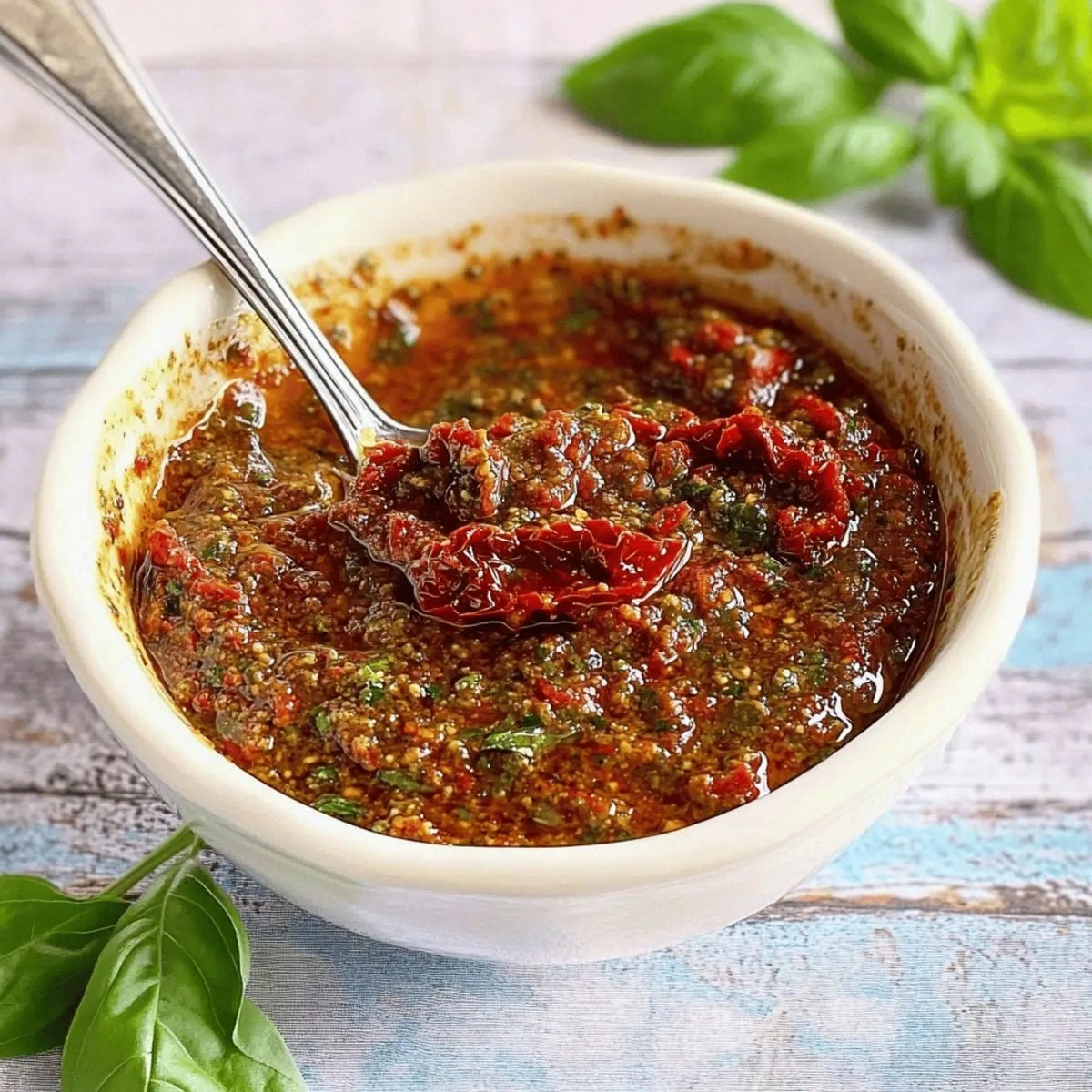
Kitchen Hack: If the pesto looks too thick, add a tablespoon of warm water before the oil; this helps achieve a silkier consistency.Season with sea salt, then give the pesto a final pulse to blend everything into a glossy, emerald‑gold sauce. Taste and adjust salt if needed—remember, the Parmesan already brings some saltiness. The aroma at this stage should be intoxicating, a blend of sweet tomato, herbaceous basil, and toasted nuts.
Transfer the pesto to a clean jar or airtight container. If you’re not using it immediately, pour a thin layer of olive oil on top to seal in freshness. This little trick prevents oxidation and keeps the vibrant color alive for days.
Serve the sauce immediately tossed with al dente pasta, spread on crusty bread, or drizzled over roasted vegetables. The sauce should coat each bite like a silky veil, leaving a lingering aftertaste of sun‑kissed tomatoes and fresh herbs. And now the fun part—watch your guests marvel at the depth of flavor you’ve just created.
That's it — you did it. But hold on, I've got a few more tricks that'll take this to another level, ensuring every spoonful is a celebration of flavor.
Insider Tricks for Flawless Results
The Temperature Rule Nobody Follows
Never add cold olive oil straight from the fridge; let it sit at room temperature for at least 15 minutes. Warm oil emulsifies more readily, giving you a smoother sauce. I once tried using chilled oil and ended up with a gritty, separated pesto that looked like a bad hair day. This tiny adjustment makes the difference between a glossy finish and a clumpy mess.
Why Your Nose Knows Best
Before you even taste, trust your sense of smell. When the toasted pine nuts start to release a nutty perfume, you know they’re ready. If the aroma turns bitter, pull them off the heat immediately. Your nose can detect subtle changes faster than your tongue, saving you from a batch of bitter pesto.
The 5‑Minute Rest That Changes Everything
After blending, let the pesto rest for five minutes. This brief pause lets the flavors meld, allowing the basil’s peppery notes to balance the tomato’s sweetness. I’ve seen people rush to the plate and complain the sauce tastes “off”; give it a moment, and the harmony will reveal itself.
The Secret of Layered Salt
Add a pinch of sea salt at three stages: during the initial blend, after the oil incorporation, and right before serving. This layered seasoning builds depth without ever becoming salty. It’s a technique chefs use to keep dishes balanced, and it works wonders here.
The Power of Fresh Herbs
Always use fresh basil and oregano, never dried. Fresh herbs contain volatile oils that evaporate quickly when dried, leading to a flat flavor. If you must use dried, increase the amount by threefold and add a splash of lemon juice to brighten the palate.
The Oil‑Swap Trick
For a lighter version, replace half the olive oil with a splash of vegetable broth or unsweetened almond milk. This keeps the sauce creamy while reducing the overall fat content. I tried it once for a low‑calorie lunch and was amazed at how the texture stayed luxuriously smooth.
Creative Twists and Variations
This recipe is a playground. Here are some of my favorite ways to switch things up:
Spicy Chili Kick
Add a teaspoon of red‑pepper flakes or a dash of sriracha to the blend. The heat pairs beautifully with the sweet tomatoes, creating a balanced, tongue‑tingling experience that will please spice lovers.
Nut‑Free Delight
Swap pine nuts for roasted sunflower seeds. The flavor remains buttery, and the sauce stays completely nut‑free, perfect for allergy‑sensitive guests.
Smoky Charred Version
Char the garlic and basil briefly over an open flame before processing. The smoky char adds a depth reminiscent of a summer BBQ, turning the pesto into a bold accompaniment for grilled vegetables.
Citrus Bright
Stir in a tablespoon of freshly grated lemon zest after blending. The citrus lifts the heavy tomato notes, giving the sauce a fresh, summery finish that’s perfect for spring salads.
Protein‑Packed Power
Blend in a quarter cup of silken tofu or cooked white beans. This adds a creamy body and a protein boost, making the pesto a complete meal when tossed with quinoa or farro.
Storing and Bringing It Back to Life
Fridge Storage
Transfer the pesto to an airtight glass jar, smooth the top, and drizzle a thin layer of olive oil to seal. It will stay fresh for up to 7 days. Keep it in the coldest part of the fridge, and always use a clean spoon to avoid contamination.
Freezer Friendly
Portion the pesto into silicone ice‑cube trays and freeze. Once solid, pop the cubes into a zip‑top bag and store for up to 3 months. When you need it, thaw a cube in the microwave for 20 seconds or stir it directly into hot pasta for instant sauce.
Best Reheating Method
When reheating, add a splash of water or vegetable broth—about a tablespoon per cup of pesto. This restores the sauce’s silky texture and prevents it from drying out. Gently warm over low heat, stirring constantly, and you’ll have a sauce that tastes as fresh as day one.