I remember the night I was trying to salvage a dinner that had gone spectacularly wrong. The chicken had been overcooked, the sauce too sweet, and the vegetables soggy. I stared at the pot, feeling like a culinary disaster in a small kitchen. Then I pulled out a recipe I’d seen in a magazine, but with a twist: a sweet and sour chicken stir‑fr that promised balance and crunch. That single glance turned my frustration into a culinary mission.
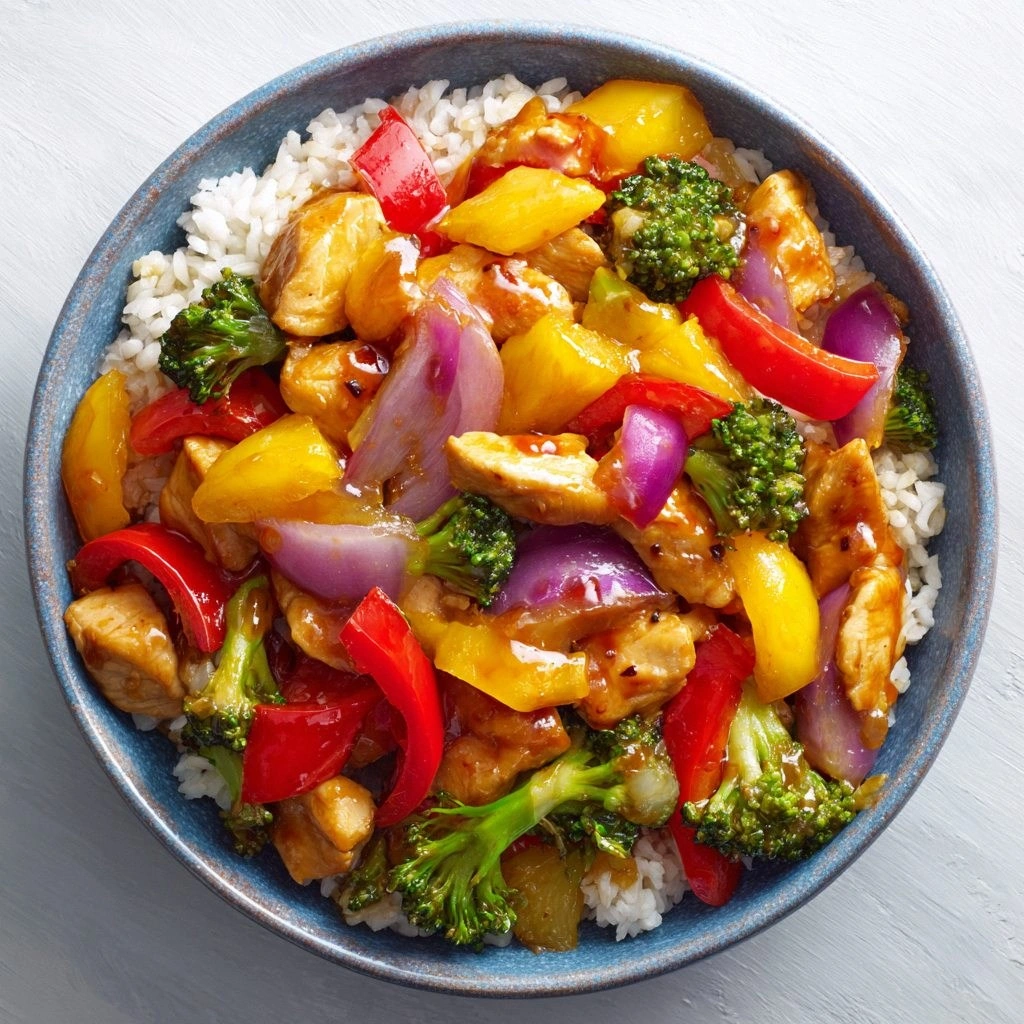
Picture this: a sizzling wok, the aroma of garlic and ginger cutting through the air, bright bell peppers popping like fireworks, and pineapple chunks glistening in a glossy sauce. The sound of the oil crackling is a cue that flavor is building, and the visual contrast of green, red, and golden pieces is a feast for the eyes. The texture is a play of crispness from the chicken coating and tenderness from the vegetables, while the sauce coats everything like velvet, sealing in sweetness and tang. The taste is an orchestra of umami, sweet, and acidic notes that dance on the tongue. The whole kitchen smells like a tropical escape, and you can almost hear the waves.
This version is not just another take on a classic; it’s a refined, crowd‑pleasing masterpiece that turns a simple stir‑fr into a showstopper. The secret lies in the coating—a blend of flour and cornstarch that gives a crisp, golden crust without the heaviness of deep frying. The sauce is balanced with a dash of rice vinegar, a touch of brown sugar, and a splash of ketchup, creating a glossy glaze that clings to every bite. The vegetables are cut to uniform sizes, ensuring even cooking and a harmonious bite. And the finishing touch of sesame seeds adds a subtle crunch and nutty aroma that elevates the dish.
I dare you to taste this and not go back for seconds. Most recipes get this completely wrong, but here is what actually works: a coating that crisps without absorbing oil, a sauce that glazes without thickening too quickly, and a timing that keeps everything al dente. Picture yourself pulling this out of the wok, the whole kitchen smelling incredible, and the family rushing to the table for the first bite. Let me walk you through every single step—by the end, you'll wonder how you ever made it any other way.
What Makes This Version Stand Out
- Crunch: The coating of flour and cornstarch creates a crisp shell that shatters like thin ice when you bite into it, delivering a satisfying crunch that contrasts the tender chicken. If you skip the coating, the chicken will be greasy and limp, losing that essential texture. The key is to toss the chicken pieces in the flour mixture just before frying.
- Balance: The sauce strikes a perfect equilibrium between sweet, sour, and savory flavors, with vinegar providing acidity, brown sugar adding depth, and soy sauce delivering umami. Many versions lean too heavily on sugar or soy, but this blend ensures each bite is complex, not cloying. Adjust the vinegar or sugar slightly to suit your palate; the base remains stable.
- Speed: The entire dish comes together in under 30 minutes, making it an ideal weeknight dinner that still feels gourmet. By prepping the ingredients in advance, you can sauté the chicken and vegetables in one go, saving time. This efficiency is a game changer for busy cooks.
- Versatility: The recipe can be tweaked for different protein options—shrimp, tofu, or pork—without compromising the flavor profile. This flexibility makes it a go‑to for diverse dietary preferences. The sauce remains the same, ensuring a consistent taste.
- Visual Appeal: The vibrant colors of bell peppers, pineapple, and green onions create an Instagram‑ready plate that looks as good as it tastes. The glossy sauce adds a sheen that makes the dish pop on the plate. Presentation is a major part of the experience.
- Make‑Ahead Potential: The sauce can be pre‑made and stored, and the coated chicken can be kept in the fridge for up to two days, making this dish a perfect meal‑prep option. Reheat the chicken in a hot pan to regain crispness, and add fresh vegetables for a quick meal. This makes it convenient for busy schedules.
- Ingredient Quality: Using fresh, organic vegetables and a high‑quality soy sauce elevates the flavor. The difference is noticeable in the depth of taste and overall freshness. Freshness is the cornerstone of this recipe.
Inside the Ingredient List
The Flavor Base
Soy sauce is the backbone of this dish, delivering a savory umami punch that anchors the sweet and sour notes. A third cup ensures the sauce isn’t too overpowering, allowing the fruitiness of pineapple to shine through. If you’re low sodium, opt for a reduced‑sodium version and adjust the salt later.
Rice vinegar provides the bright acidity that cuts through the sweetness, giving the sauce a lively zing. Two tablespoons are enough to brighten the flavors without making the dish too tart. Substitute with apple cider vinegar for a slightly fruitier twist.
Brown sugar adds depth and a caramelized undertone that balances the vinegar’s sharpness. Three tablespoons give just enough sweetness without drowning the other flavors. For a lower‑sugar version, use honey or maple syrup in equal measure.
Ketchup contributes a subtle tomato sweetness and helps thicken the sauce to a glossy consistency. Two tablespoons are sufficient to give body to the glaze. If you’re avoiding processed sauces, replace it with tomato paste diluted with a splash of water.
The Texture Crew
Boneless skinless chicken breasts provide lean protein and a neutral canvas for the coating and sauce. A 1.5‑pound cut is ideal for four servings, giving generous portions. Slice the chicken into bite‑sized pieces to ensure even cooking.
All‑purpose flour and cornstarch together create a crisp coating that holds up to the sauce’s moisture. A quarter cup of each is enough to coat the chicken without making it heavy. If you’re gluten‑free, replace the flour with rice flour or a gluten‑free blend.
Vegetable oil is used for frying; it has a high smoke point and neutral flavor that doesn’t interfere with the dish’s profile. Two tablespoons are needed to coat the pan and cook the chicken to a golden brown. Peanut or canola oil can be used as alternatives.
Sesame oil is added at the end to give a fragrant, nutty aroma that elevates the dish. One teaspoon is enough to flavor the sauce without overpowering the other ingredients. Use toasted sesame oil for a richer taste.
The Unexpected Star
Pineapple chunks add a tropical sweetness and a subtle acidity that complements the vinegar. One cup of fresh pineapple is ideal for four servings, providing juiciness and color. If you can’t find fresh pineapple, canned in juice (drained) works fine but may dilute the flavor.
Green onions add a fresh, crisp bite that contrasts the sweet sauce. Two stalks sliced thinly are enough to brighten the dish. You can also use scallions for a milder flavor.
The Final Flourish
Bell peppers bring color and sweetness, each providing a slightly different flavor profile. Use one red and one yellow pepper to create a vibrant palette. Dice them into uniform cubes for even cooking.
Carrots add a subtle earthiness and crunch, complementing the sweet pineapple. Slice one carrot into thin rounds; the thinner the slice, the faster it cooks. If you prefer a sweeter vegetable, replace with broccoli florets.
Onion adds a savory depth that rounds out the sauce. Half a medium onion, diced, is sufficient to give a sweet undertone. If you’re sensitive to raw onion, sauté it until translucent before adding the other vegetables.
Everything's prepped? Good. Let's get into the real action.
The Method — Step by Step
- Begin by cutting the chicken into bite‑sized pieces and patting them dry with paper towels. This ensures the coating sticks and the chicken doesn’t steam. Toss the chicken in a bowl with flour, cornstarch, a pinch of salt, and pepper, shaking off any excess. The coating should look like a fine dusting, not a thick layer. Set aside while you prepare the sauce.
- In a small saucepan, combine soy sauce, rice vinegar, brown sugar, ketchup, minced garlic, minced ginger, and sesame oil. Bring the mixture to a gentle simmer over medium heat, stirring until the sugar dissolves. Reduce the heat to low and let it thicken slightly, creating a glossy glaze. Keep it warm on the stove; it will thicken more as it cools. This is the moment of truth for your sauce.
- Heat a wok or large skillet over high heat and add vegetable oil. Once the oil shimmers, add the coated chicken pieces in a single layer. Do not overcrowd the pan; you’ll want a crisp sear. Fry the chicken for 3–4 minutes on each side until golden brown and cooked through. Flip only once to maintain crispness. The aroma will signal readiness.
- Remove the chicken from the pan and set it aside on a plate lined with paper towels to drain excess oil. This step keeps the chicken from becoming soggy when you add the sauce. While the chicken rests, you can finish the vegetables. This is a great time to keep your mind sharp.
- In the same pan, add the diced onions, carrots, and bell peppers. Sauté for 2–3 minutes, stirring constantly, until they start to soften but still retain a bite. The vegetables should not brown too much; you want them bright and crisp. Add the pineapple chunks and stir to combine. This creates a colorful medley.
- Pour the pre‑heated sauce over the vegetables and bring the mixture to a gentle simmer. Stir to coat all the ingredients evenly, allowing the sauce to thicken and cling to the veggies. This step should take about 2 minutes, and the sauce should look glossy and slightly thickened. The smell will be irresistible.
- Return the fried chicken to the pan, tossing it gently to coat with the sauce. Cook everything together for another 2 minutes, ensuring the chicken re‑absorbs some of the sauce’s moisture. The sauce will caramelize slightly, giving the dish its signature shine. Be careful not to overcook the chicken.
- Add the sliced green onions and a sprinkle of sesame seeds. Give the mixture one final stir to distribute the garnish. Remove the pan from the heat and transfer the dish to a serving platter. The aroma should be tantalizing, and the colors vibrant.
- Serve immediately over steamed rice or cauliflower rice for a low‑carb option. Garnish with extra sesame seeds if desired. The dish is best enjoyed hot, as the sauce will be at its thickest and the chicken will still be crispy. Enjoy the burst of flavors with every bite.
That's it — you did it. But hold on, I've got a few more tricks that'll take this to another level.
Insider Tricks for Flawless Results
The Temperature Rule Nobody Follows
Maintaining a high initial heat for the chicken is crucial for a crisp exterior. The pan should be hot enough that oil shimmers before adding the chicken. If the oil is too cool, the coating will absorb oil and become soggy. Use a thermometer to ensure the oil reaches 375°F (190°C). This small step makes a big difference.
Why Your Nose Knows Best
Smell the sauce as it simmers; it should develop a sweet aroma with a hint of tang. If it smells too vinegary, add a pinch of sugar. If it’s too sweet, a splash of vinegar helps balance it. Your nose is a reliable guide to flavor balance.
The 5-Minute Rest That Changes Everything
After removing the chicken, let it rest for five minutes before adding it back to the pan. This allows the juices to redistribute, keeping the meat moist and flavorful. Skipping this step can lead to dry, overcooked chicken.
The Quick Flip Technique
When flipping the chicken, use a thin, wide spatula to keep the coating intact. Avoid using a fork, which can puncture the coating and cause oil to seep in. This ensures a uniform crust and a better texture.
The Final Sauce Splash
Just before serving, drizzle a small amount of sesame oil over the dish to enhance aroma and flavor. This final touch brightens the dish and adds a subtle nutty undertone. It’s a simple step that elevates the overall experience.
Creative Twists and Variations
This recipe is a playground. Here are some of my favorite ways to switch things up:
Spicy Sriracha Kick
Add a tablespoon of sriracha to the sauce for a fiery twist that pairs well with the sweet pineapple. The heat balances the sweetness and adds depth. Serve with a cooling cucumber salad to cool the palate.
Teriyaki Fusion
Replace the soy sauce with teriyaki sauce for a sweeter, caramelized flavor profile. The sauce will thicken more, giving a richer glaze. Pair with steamed jasmine rice for an authentic feel.
Gluten‑Free Version
Swap the all‑purpose flour with rice flour or a gluten‑free blend. Use cornstarch for the coating as usual. Ensure the soy sauce is gluten‑free to maintain the dish’s integrity.
Vegetarian Twist
Replace the chicken with firm tofu, pressed and cubed, then coat and fry as described. The tofu will absorb the sauce beautifully. Add extra bell peppers for a crunchy texture.
Low‑Carb Delight
Serve the dish over cauliflower rice instead of regular rice to reduce carbs. The cauliflower adds a mild flavor and keeps the dish light. The sauce still shines on the low‑carb base.
Citrus Burst
Add a splash of orange juice to the sauce for a citrusy note that complements the pineapple. The bright flavor brightens the entire dish. Garnish with fresh orange zest for an extra pop.
Storing and Bringing It Back to Life
Fridge Storage
Store leftovers in an airtight container in the refrigerator for up to 3 days. Keep the sauce and chicken separate until reheating to prevent sogginess. Reheat gently in a skillet over medium heat, adding a splash of water to keep the sauce moist.
Freezer Friendly
Freeze the dish in portioned containers for up to 2 months. Thaw overnight in the refrigerator before reheating. When reheating, add a teaspoon of water to restore sauce thickness.
Best Reheating Method
Reheat in a skillet over medium heat, stirring frequently to avoid burning. Add a small splash of water or broth to keep the sauce from drying out. The dish tastes best when the sauce is glossy and the chicken remains crisp.