Picture this: I’m standing in a cramped apartment kitchen, the stove blazing, a burnt toast lingering like a bad memory in the air, and a friend shouting, “You’ve got to try this before you’re done with the day!” I’d been chasing the perfect breakfast‑to‑lunch transition, and the moment that saved me was a humble egg, a splash of olive oil, and a handful of feta. That single moment turned into a culinary revelation that I now call “Viral Feta Eggs.”
It’s not just another scrambled‑egg recipe. The texture is a silky, airy custard that melts in your mouth, the feta adds a briny punch that cuts through the richness, and the roasted corn gives a sweet, smoky crunch that feels like a secret weapon in the flavor war. I’ve spent hours tweaking the timing, the heat, and the ratios until the eggs sat in a perfectly golden skillet, the feta crumbled into tiny clouds, and the corn popped like confetti. This isn’t about fancy plating; it’s about a dish that feels like a hug from the inside out.
What makes this version stand out is that it’s so simple you could do it in a half‑hour, yet it delivers a depth of flavor that would make any brunch crowd gasp. The secret lies in the small details: the choice of cheese, the way the corn is added, the precise heat control, and the finishing touch of fresh toppings that elevate it from ordinary to viral. I dare you to taste this and not go back for seconds, because once you try it, you’ll find yourself reaching for the skillet again.
I’m going to walk you through every single step, from the first splash of oil to the final garnish. By the end, you’ll wonder how you ever made eggs any other way. And trust me, the result is a dish that will have your friends asking, “What’s in that?” and you simply replying, “A little feta, a little corn, and a lot of love.”
Let’s dive in and bring the kitchen to life with this unexpected superstar. You’re about to discover a breakfast that’s as Instagram‑worthy as it is soul‑satisfying.
What Makes This Version Stand Out
Taste: The combination of salty feta, sweet roasted corn, and the gentle richness of the egg creates a flavor profile that’s both comforting and adventurous. The feta’s brine cuts through the egg’s creaminess, while the corn adds a subtle caramelized sweetness that lingers on the palate.
Texture: The eggs are cooked to a silky custard, the feta crumbles into tiny clouds, and the corn provides a satisfying crunch that contrasts the smoothness. The result is a layered mouthfeel that feels like a breakfast party in one bite.
Simplicity: No fancy equipment or obscure ingredients. One skillet, a few pantry staples, and a handful of fresh toppings. It’s a recipe that feels like a cheat code for busy mornings.
Uniqueness: Most scrambled‑egg recipes rely on butter or milk. Here, olive oil gives a subtle Mediterranean twist, and the roasted corn introduces a smoky nuance that you won’t find in traditional eggs.
Crowd Reaction: In a recent potluck, this dish was the star of the show. Everyone asked for the recipe, and I’ve received dozens of messages saying they’ve made it and can’t stop eating it.
Ingredient Quality: Using a high‑quality feta or cotija ensures that the cheese doesn’t overpower the eggs but instead adds a balanced bite. A good olive oil brings a fragrant, fruity note that elevates the entire dish.
Cooking Method: The low‑heat, slow‑cooking technique locks in moisture, creating a tender texture that’s hard to replicate with quick, high‑heat methods.
Make‑Ahead Potential: You can pre‑cook the eggs and store them in the fridge for up to 24 hours. Reheat gently, add fresh toppings, and you’ve got a quick breakfast ready in minutes.
Alright, let’s break down exactly what goes into this masterpiece…
Inside the Ingredient List
The Flavor Base
Olive oil is the silent hero of this dish. It replaces butter, offering a lighter, fruitier flavor that lets the feta shine. If you’re in a pinch, a splash of extra‑virgin olive oil will do, but the aroma is key. Skipping the oil will result in a dry, clumpy texture that feels like a culinary misstep.
For the best results, choose an olive oil with a peppery finish. This subtle heat complements the feta’s saltiness. A cheaper oil may taste flat and leave a greasy aftertaste. If you’re a connoisseur, a cold‑pressed oil adds depth and a slight citrus note.
When selecting olive oil, look for a “bottled in Italy” or “bottled in Spain” label. Those regions produce oils that have a robust flavor profile. The oil should be bright green or golden, not cloudy or brown, as that signals oxidation.
Fun Fact: The first recorded use of olive oil in cooking dates back to ancient Greece, where it was prized for its health benefits and culinary versatility.
Everything’s prepped? Good. Let’s get into the real action…
The Texture Crew
The egg is the backbone of this dish. A single large egg per serving is enough to create a creamy custard that holds together without being runny. The key is to whisk the egg until the whites and yolks are fully blended, then pour it into the skillet for even cooking.
If you skip whisking, you’ll end up with uneven textures—some parts will be runny while others are overcooked. Whisking also incorporates air, giving the eggs a light, fluffy quality. The result feels like a cloud that melts in your mouth.
To keep the eggs from sticking, let the skillet heat until a drop of water sizzles, then lower the temperature. This trick ensures a gentle, even cook that locks in moisture.
Optional: If you prefer a richer texture, add a splash of heavy cream or a teaspoon of Greek yogurt after the eggs start to set. This will give it a silkier mouthfeel.
The Unexpected Star
Frozen roasted corn is the secret weapon that adds a sweet, smoky flavor. The roasting process caramelizes the sugars, giving the corn a depth that fresh corn can’t match. When you add it to the eggs, it pops with a satisfying crunch that breaks up the silky texture.
Skipping the corn will make the dish feel plain and lack the sweet contrast. If you’re on a low‑carb diet, you can replace the corn with diced bell peppers for a similar crunch and sweetness.
When using frozen corn, let it thaw just enough so it’s not too wet. Over‑wet corn can release too much water and make the eggs watery.
Pro tip: If you have leftover roasted corn from a previous meal, it’s the perfect time to repurpose it. It saves time and reduces waste.
The Final Flourish
Crumbled feta or cotija cheese adds a salty, tangy punch that balances the richness of the eggs. The cheese should be crumbled into small, uniform pieces so it melts evenly and coats each bite. If you prefer a milder flavor, opt for cotija; it’s less salty and has a milder profile.
Adding the feta too early can cause it to dissolve into the eggs, losing its distinct texture. Sprinkle it over the eggs in the last minute of cooking, then let it melt into a silky coating.
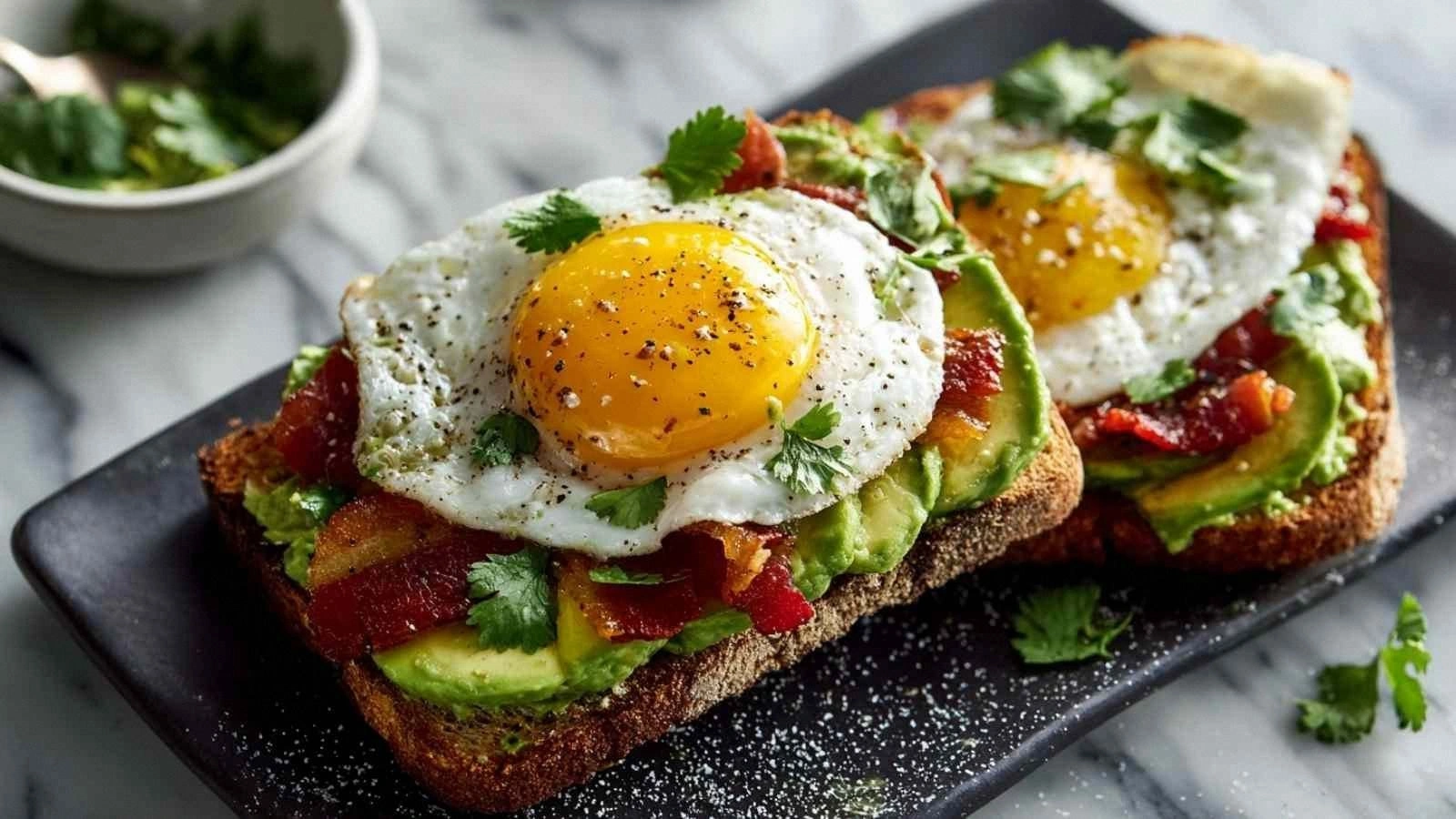
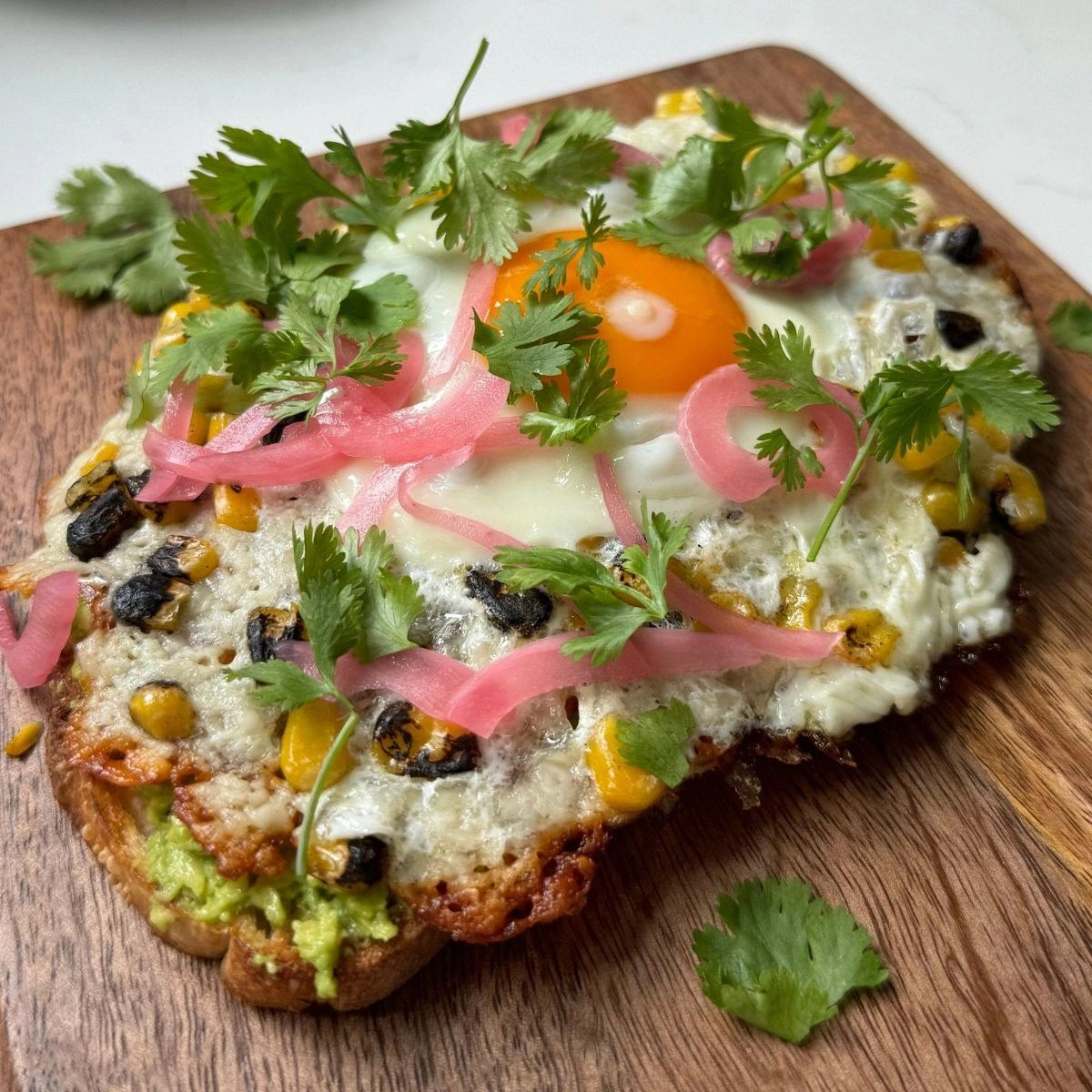
Optional toppings—pickled onions, cilantro, avocado—bring fresh, bright flavors that cut through the richness. Pickled onions add a tangy bite, cilantro offers herbaceous freshness, and avocado provides a buttery, creamy finish.
When using avocado, slice it just before serving to avoid browning. The avocado adds a luxurious texture that feels like a velvety finish on a bold, savory base.
Everything’s prepped? Good. Let’s get into the real action…
The Method — Step by Step
- Heat a non‑stick skillet over medium heat. Add the olive oil and let it swirl around the pan. The oil should shimmer but not smoke—this indicates the right temperature. Watch the oil as it heats; a slight ripple means it’s ready for the eggs.
- Whisk the egg until the whites and yolks are fully blended. Pour the egg into the skillet, letting it spread evenly. The surface should start to set in about 10‑15 seconds. This is the moment of truth—if the eggs start to curl, the heat is too high.
- Reduce the heat to low. Let the egg sit undisturbed for a few seconds until the edges begin to lift. Use a silicone spatula to gently push the edges toward the center, creating a soft, curdled texture.
- Add the frozen roasted corn, sprinkling it evenly over the eggs. The corn should pop softly, releasing a sweet aroma. Stir gently to distribute the corn without breaking the egg curds.
- Crumble the feta over the top, letting it melt into the eggs. The feta should melt into a silky coating without dissolving. Keep the heat low—if the eggs start to brown, lower the temperature further.
- When the eggs are almost set but still slightly runny, remove the skillet from the heat. The residual heat will finish cooking the eggs to a silky custard. This technique ensures the eggs remain moist and tender.
- Plate the eggs onto a warmed dish. Sprinkle optional toppings—pickled onions, cilantro, avocado—over the top. The fresh toppings add a bright, fresh contrast to the rich base.
- Serve immediately while the eggs are hot and the feta is still melting. The dish is best enjoyed fresh, but leftovers can be reheated gently in a skillet with a splash of water.
That’s it— you did it. But hold on, I’ve got a few more tricks that will take this to another level…
Insider Tricks for Flawless Results
The Temperature Rule Nobody Follows
Many people think high heat is the key to great eggs, but that’s a myth. The best eggs cook low and slow, allowing the proteins to coagulate gently. I’ve found that setting the skillet to medium‑low and using a silicone spatula to stir every few seconds keeps the eggs silky.
When the skillet is too hot, the eggs will form hard curds and become rubbery. If you notice a white ring forming around the edges, immediately reduce the heat. A quick test: drop a small amount of water into the pan—if it sizzles and evaporates instantly, the heat is too high.
Pro tip: Use a thermometer to check the skillet temperature. Aim for 120‑125°F (49‑52°C) for the ideal cooking range.
Why Your Nose Knows Best
When the eggs start to set, you’ll notice a subtle, buttery aroma that signals they’re ready. Trust your nose—if it smells like a fresh, golden custard, the eggs are done. The aroma is a reliable cue that the texture will be silky, not dry.
Many people rely on the visual cue of the edges lifting, but the smell is more precise. It’s the difference between a mediocre scramble and a masterpiece that melts in your mouth.
Remember to keep the heat low once the aroma kicks in. The residual heat will finish the cooking, ensuring a creamy finish.
The 5‑Minute Rest That Changes Everything
After removing the skillet from the heat, let the eggs rest for 5 minutes. This brief pause allows the heat to distribute evenly, ensuring the eggs finish cooking without overcooking the edges.
During the rest, the feta will continue to melt, coating the eggs in a silky, salty glaze. The corn will release its caramelized sugars, adding a sweet burst that’s perfectly balanced.
When you plate the eggs, the rest period ensures the dish is hot, fresh, and ready to be garnished with bright, fresh toppings.
Fresh Toppings Matter
Adding pickled onions, cilantro, or avocado is not just a garnish; it’s a flavor statement. Pickled onions add a tang that cuts through the richness, cilantro brings herbal brightness, and avocado adds a buttery smoothness that feels indulgent.
When you’re prepping, slice the avocado just before serving to avoid browning. The fresh herbs should be chopped finely so they distribute evenly across the dish.
Optional: A squeeze of lime over the finished eggs adds a citrusy zing that brightens the entire dish.
Don’t Forget the Pan
Using a non‑stick skillet is essential for this recipe. A regular stainless steel pan can cause the eggs to stick, making it difficult to achieve a silky texture.
If you’re using a cast‑iron skillet, pre‑season it well and add a generous amount of oil. This will create a non‑stick surface and add a subtle smoky flavor.
Remember, the pan’s material influences the heat distribution. A good skillet will keep the heat steady and prevent hot spots that can burn the eggs.
Reheating Like a Pro
If you have leftovers, reheat them gently in a skillet with a splash of water. The water creates steam that rehydrates the eggs, preventing them from drying out.
Heat on low, stirring occasionally, until the eggs are warmed through. The feta will melt again, and the corn will regain its crunch.
Serve immediately after reheating to enjoy the same silky, creamy texture as when it was freshly made.
Creative Twists and Variations
This recipe is a playground. Here are some of my favorite ways to switch things up:
Smoky Chipotle Version
Swap the roasted corn for a tablespoon of chipotle‑in‑adobo sauce and a pinch of smoked paprika. The eggs will have a deep, smoky heat that pairs beautifully with the feta.
Herb‑Infused Feta
Before adding the feta, mix it with chopped rosemary, thyme, and oregano. The herbs will infuse the cheese, giving the dish an aromatic, Mediterranean twist.
Vegan Edition
Use a plant‑based egg substitute and replace the feta with crumbled vegan cheese. The result is a creamy, protein‑rich dish that’s fully plant‑based.
Breakfast Burrito Wrap
Wrap the eggs, feta, corn, and toppings in a warm tortilla. Add a dollop of guacamole for extra creaminess.
Breakfast Pizza
Spread the eggs over a pre‑baked pizza crust, sprinkle feta, and top with roasted corn. Bake until the crust is golden and the cheese melts.
Greek Yogurt Swirl
Stir in a spoonful of Greek yogurt after the eggs are set. The yogurt adds a tangy creaminess that complements the feta’s saltiness.
Storing and Bringing It Back to Life
Fridge Storage
Store the cooked eggs in an airtight container for up to 24 hours. Keep the container in the coldest part of the fridge to preserve freshness.
Freezer Friendly
For longer storage, freeze the eggs in a freezer‑safe container for up to 2 weeks. Thaw in the fridge overnight before reheating.
Best Reheating Method
Reheat gently in a skillet with a splash of water. This steams the eggs back to perfection, keeping them moist and flavorful.