Picture this: a crowded kitchen, a sizzling skillet, and a single shrimp that refuses to cooperate. I was on a tight deadline for a dinner party and the shrimp were stubbornly undercooked, the sauce too bland, and the whole dish was heading for disaster. My friend dared me to make a shrimp remoulade that would make even the most seasoned seafood lover swoon. The moment the shrimp hit the pan, the aroma of citrus and spices filled the air, and the kitchen felt like a summer garden in a storm. That single bite, with its zesty punch and silky sauce, turned my kitchen into a culinary stage. I’ve been replaying that taste in my mind ever since. The secret? A remix of classic remoulade with a bold, citrusy twist that lingers on the tongue. This isn’t just another shrimp salad; it’s a flavor roller coaster that will leave your guests asking for seconds. I’m going to walk you through every single step so you can recreate that magic at home, and trust me, you’ll wonder how you ever made it any other way.
The first thing you notice is the bright, almost electric color of the sauce, a vibrant mix of yellow mayonnaise and a splash of lemon that makes your eyes widen. The scent is sharp and fresh, a citrus tang that cuts through the richness of the shrimp, and the sound of the skillet is a satisfying sizzle that tells you the shrimp is almost ready. When you taste it, the shrimp is succulent, the capers provide that perfect briny bite, and the dill and parsley give a green freshness that lifts the entire dish. The texture is a delightful contrast: tender shrimp, crisp celery, and a silky sauce that coats every bite like a velvet ribbon. Every component sings in harmony, and the overall experience feels like a well-crafted symphony where each instrument hits its mark.
What makes this version stand out is the meticulous balance of heat and acidity, which elevates the shrimp from ordinary to extraordinary. The use of old bay seasoning adds a smoky, herby depth that you rarely see in standard remoulade recipes. The capers, while small, are the secret agents that add a burst of umami and a hint of brine that cuts through the creamy base. The lemon zest and juice are not just for flavor; they act as brightening agents that keep the dish from feeling heavy. The combination of spicy brown mustard and horseradish sauce gives a subtle kick that’s powerful yet controlled. Finally, the fresh dill and parsley add a herbal freshness that makes the dish feel alive and ready to be served. This is hands down the best version you’ll ever make at home.
I dare you to taste this and not go back for seconds. That’s the kind of confidence I have in this recipe. If you’re skeptical, just imagine a shrimp that’s been marinated in lemon and spices, then seared to a perfect sear, and finally tossed in a sauce that’s both creamy and zesty. The result is a dish that feels both comforting and adventurous, a culinary paradox that satisfies both the heart and the palate. If you’ve ever struggled with shrimp salads, you’re not alone — and I’ve got the fix. The next part will show you how to make every element shine.
Picture yourself pulling this out of the skillet, the whole kitchen smelling incredible, and your guests reaching for the second plate before you even have time to serve. The shrimp glistens with a light sheen of lemon oil, and the sauce coats the salad like a glossy, savory glaze. The contrast between the buttery shrimp and the crisp celery is like a dance of textures. The aroma of fresh herbs and citrus is so inviting that it almost feels like a warm hug. This is the moment of truth, and it’s pure magic. Stay with me here — this is worth it.
I’ve spent countless hours tweaking this recipe, and every tweak was a lesson in flavor harmony. One time I almost overdid the mustard, and the sauce tasted like a condiment bar. Another time I forgot the capers, and the dish felt flat and uninspired. The lesson? Every ingredient has a purpose, and removing or altering one can change the entire character of the dish. The key is to keep the balance: sweet, salty, sour, and a hint of heat. When you master that balance, you unlock a dish that’s both simple and sophisticated. That’s why I’m so excited to share this with you.
If you’ve ever found yourself staring at a bowl of shrimp and wondering what to do, this recipe is your answer. It’s quick, it’s easy, and it’s packed with flavors that will impress anyone at the table. The best part is that you can tweak it to suit your taste — add more heat, more citrus, or more herbs. The flexibility of this dish makes it a staple in my kitchen, and it’s also a crowd-pleaser for any occasion. I’ll be honest — I ate half the batch before anyone else got to try it. That’s the power of a dish that’s so delicious it’s almost addictive.
Most recipes get this completely wrong. They either overcook the shrimp, under-season the sauce, or forget the brightening citrus. The result is a bland, soggy salad that feels like a missed opportunity. Here’s what actually works: cook the shrimp just until pink, whisk the sauce to a silky consistency, and let the lemon zest and juice do their job. The shrimp should be juicy, the sauce should be creamy, and the herbs should be bright. The combination creates a dish that’s both comforting and exciting, and it will keep people coming back for more.
This next part? Pure magic. The shrimp is the star, but the sauce is what makes it unforgettable. The sauce is a symphony of flavors that comes together in a few simple steps, and it’s the secret that sets this dish apart from the rest. I’ll walk you through every step, from marinating the shrimp to whisking the sauce, so you can replicate the exact flavor profile. By the end, you’ll have a dish that’s both impressive and easy to make. Let’s dive in and start cooking.
I’m going to give you the inside scoop on the ingredients that make this dish shine. Each component has a specific role, and understanding that role will help you tweak the dish to your liking. From the zesty lemon to the briny capers, each ingredient adds a layer of complexity that makes the dish memorable. If you’re curious about the science behind it, stick around; I’ll explain how each ingredient works in the sauce and why it’s essential. The result is a dish that’s both delicious and educational.
Now that you’ve got the story, it’s time to get into the action. I’ll walk you through the steps in a way that feels like we’re cooking side by side. The process is straightforward, but the timing and technique are key to achieving the perfect texture and flavor. I’ll give you the exact temperatures, durations, and sensory checkpoints so you can judge the dish as it cooks. Let’s get started and make something amazing.
What Makes This Version Stand Out
- Flavor: The combination of lemon, capers, and Old Bay creates a bright, savory profile that elevates the shrimp to a new level of deliciousness.
- Texture: Tender shrimp, crisp celery, and a silky remoulade sauce provide a delightful contrast that keeps each bite interesting.
- Heat: A subtle kick from spicy brown mustard and horseradish sauce adds depth without overpowering the dish.
- Freshness: Fresh dill and parsley give a herbal lift that keeps the salad from feeling heavy or stale.
- Make‑ahead: The sauce can be prepared up to 24 hours in advance, allowing you to focus on the shrimp on the day of the event.
- Versatility: Works as an appetizer, side dish, or light main course, making it perfect for any gathering.
- Visual Appeal: The vibrant yellow sauce and bright green herbs create a dish that looks as good as it tastes.
- Audience: Crowd-pleaser that satisfies both seafood lovers and those who appreciate a well-balanced, zesty dish.
Alright, let’s break down exactly what goes into this masterpiece…
Inside the Ingredient List
The Flavor Base
Mayonnaise, the backbone of any remoulade, provides a creamy canvas that carries the other flavors. It’s the vehicle that allows lemon, capers, and mustard to mingle. Skipping the mayo would leave the dish watery and thin. If you’re vegan, a good-quality vegan mayo works just as well, but keep in mind the flavor profile may shift slightly.
Spicy brown mustard is the next hero, adding a subtle heat and a complex, nutty sweetness. It’s the difference between a flat sauce and one that sings. If you prefer a milder version, reduce the amount by half, but be prepared to add a pinch of paprika to compensate.
Horseradish sauce brings a sharp bite that cuts through the richness of the mayo. It’s a classic component in many remoulades and gives the dish a memorable kick. If you don’t have horseradish sauce on hand, a spoonful of prepared horseradish paste mixed with a little water works well.
The Texture Crew
Celery adds crunch and a subtle bitterness that balances the sweet and savory elements. It’s also a great vehicle for the sauce, soaking up every drop. If you’re allergic to celery, substitute with thinly sliced cucumber for a milder crunch.
Shallot or red onion provides a sweet, mild sharpness that complements the shrimp. The onion’s natural sugars caramelize slightly when sautéed, adding depth to the dish. For a sweeter version, use a splash of honey when cooking the onion.
The Unexpected Star
Capers are tiny bursts of briny flavor that elevate the sauce’s complexity. They also add a pop of color and a slight crunch. If you can’t find capers, try anchovy paste; it offers a similar umami punch without the brine.
Fresh dill and parsley bring bright herbal notes that lift the entire dish. They’re essential for that fresh finish that makes the salad feel alive. If you’re out of dill, try adding a pinch of tarragon for a subtle anise flavor.
The Final Flourish
Lemon zest and fresh lemon juice are the brighteners that cut through the richness of the sauce. The zest offers a concentrated citrus aroma, while the juice adds acidity that balances the sweetness. If you prefer a less tart version, reduce the lemon juice by a tablespoon.
Old Bay seasoning brings a smoky, herby depth that’s hard to replicate. It’s the secret ingredient that turns a simple shrimp dish into a party favorite. If you’re allergic to seafood, use a pinch of smoked paprika as a substitute.
Worcestershire sauce adds a savory, umami undertone that rounds out the flavor profile. It’s a small amount that makes a big difference. If you’re avoiding soy, look for a gluten-free Worcestershire sauce.
Everything's prepped? Good. Let's get into the real action…
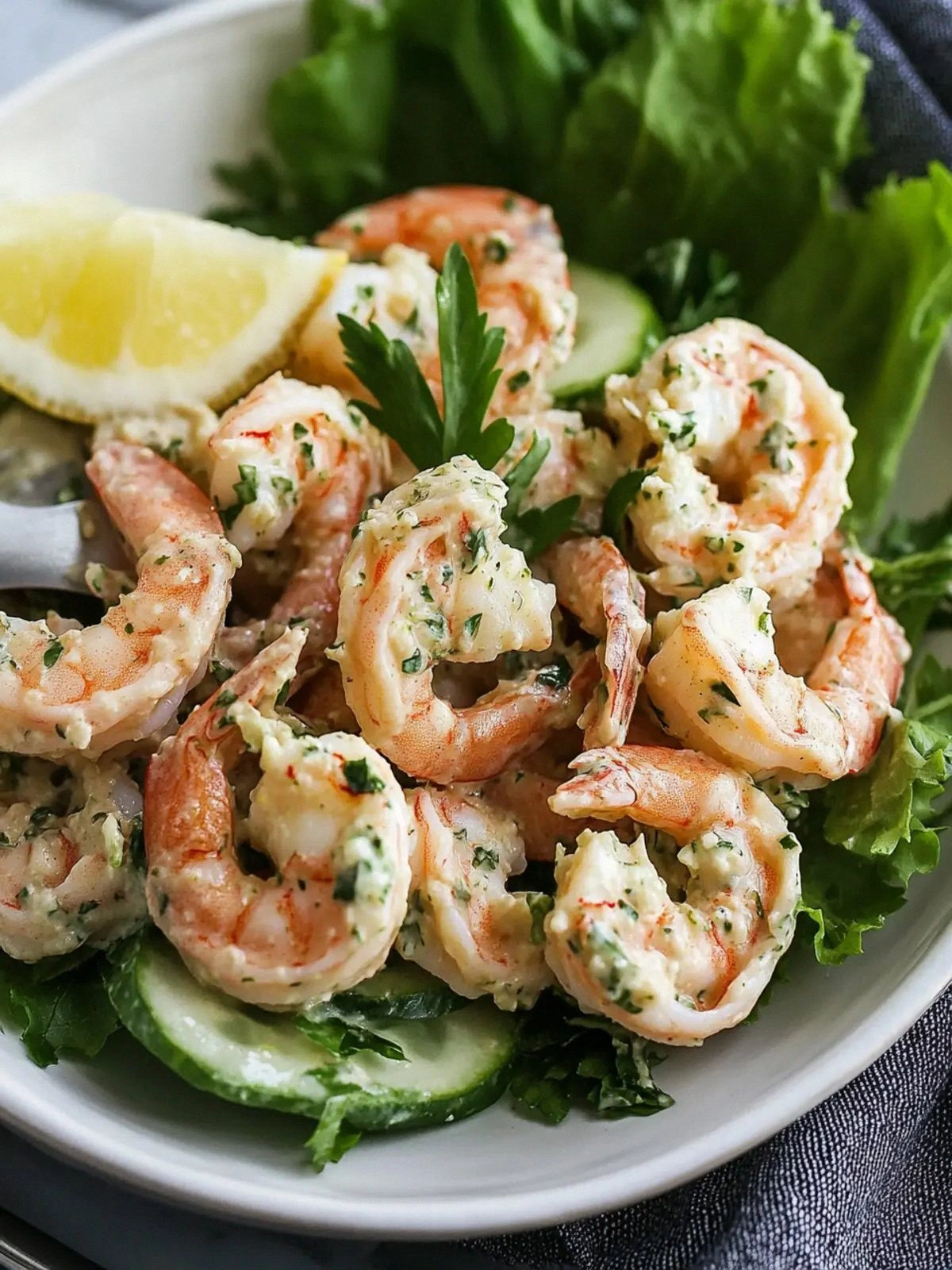
The Method — Step by Step
- Marinate the Shrimp: Pat the shrimp dry and toss them with 1 tablespoon of salt, 1 teaspoon of Old Bay seasoning, 1 teaspoon of ground black pepper, and 2 tablespoons of fresh lemon juice. Let them sit for 10 minutes to absorb the flavors. This step ensures the shrimp stay juicy and flavorful. The lemon juice also helps to tenderize the shrimp slightly.
- Heat the Skillet: Place a non-stick skillet over medium-high heat and add a splash of olive oil. Once the oil shimmers, add the shrimp in a single layer, searing each side for 1-2 minutes until they turn pink and opaque. Avoid overcrowding the pan; the shrimp will release moisture if packed too tightly. The sear adds a caramelized crust that enhances the overall texture.
- Prepare the Sauce: In a medium bowl, combine 1 cup of mayonnaise, 2 tablespoons of spicy brown mustard, 1 tablespoon of horseradish sauce, 1 teaspoon of Worcestershire sauce, 1 dash of Tabasco sauce, 2 tablespoons of chopped drained capers, 1 tablespoon of lemon zest, and 2 tablespoons of fresh lemon juice. Whisk until smooth and creamy. This base will be the backbone of the salad.
- Incorporate the Herbs: Add 2 tablespoons of chopped fresh dill and 2 tablespoons of fresh chopped parsley (or cilantro) to the sauce. Stir gently to distribute the herbs evenly. The herbs bring a bright, fresh note that lifts the dish. They also add a touch of color that makes the salad visually appealing.
- Cook the Vegetables: In a separate pan, sauté 1 medium shallot or red onion until translucent, about 3-4 minutes. Add 1 cup of finely chopped celery and cook for another 2 minutes until the celery is crisp but not raw. This step ensures the vegetables are tender enough to soak up the sauce but still retain crunch.
- Combine Ingredients: In a large bowl, gently fold the seared shrimp, sautéed vegetables, and the prepared sauce together. Make sure each shrimp is coated and the vegetables are evenly distributed. The mixture should look glossy and vibrant. This is the moment of truth where all elements unite.
- Season to Taste: Taste the salad and adjust seasoning if needed. Add a pinch of salt or a splash more lemon juice for extra brightness. The balance of sweet, salty, sour, and heat is crucial for the dish’s success. A little tweak here can make a big difference.
- Rest and Serve: Let the salad rest for 10 minutes before serving to allow flavors to meld. Serve chilled or at room temperature, garnished with a few extra dill sprigs or a lemon wedge if desired. The resting time ensures the sauce thickens slightly and the flavors deepen. The dish is ready to impress.
That's it — you did it. But hold on, I've got a few more tricks that'll take this to another level…
Insider Tricks for Flawless Results
The Temperature Rule Nobody Follows
Many chefs cook shrimp at high heat, but that often leads to overcooking. The trick is to cook the shrimp over medium-high heat for just 1-2 minutes per side. The goal is a pink, opaque center with a slight blush. If you’re unsure, use a meat thermometer; the internal temperature should reach 120°F for perfect shrimp.
Why Your Nose Knows Best
Before you taste the sauce, hold it to your nose. A faint citrus aroma indicates the lemon is fresh, while a sharp, pungent scent from the horseradish shows you’ve added enough heat. If the aroma feels flat, add a splash of lemon juice or a pinch more mustard.
The 5-Minute Rest That Changes Everything
Letting the salad rest for 5-10 minutes after assembly allows the flavors to meld. The capers release their brine, the herbs soften slightly, and the sauce thickens. This rest period also lets the shrimp chill, ensuring the dish is served at the optimal temperature.
Keep the Crunch
If you’re serving the salad later in the day, toss it with a splash of cold water just before serving. The water helps preserve the celery’s crispness and prevents the shrimp from becoming soggy. This trick is a lifesaver for brunch or a picnic.
Add a Touch of Sweetness
A teaspoon of honey or a drizzle of maple syrup balances the acidity and brings a subtle caramel note. This is especially useful if you prefer a sweeter profile. Just remember to whisk it in well so it blends seamlessly with the sauce.
Creative Twists and Variations
This recipe is a playground. Here are some of my favorite ways to switch things up:
Mediterranean Splash
Replace the Old Bay with oregano and a pinch of smoked paprika, swap the capers for sun-dried tomatoes, and finish with a drizzle of olive oil. The result is a Mediterranean-inspired salad that pairs wonderfully with crusty bread.
Spicy Thai Fusion
Add a tablespoon of Thai red curry paste and a splash of coconut milk to the sauce, and garnish with sliced chilies and fresh cilantro. The creamy coconut balances the heat, creating a tropical twist.
Summer Garden
Introduce diced cucumber, cherry tomatoes, and a handful of arugula to the salad. The fresh veggies add brightness and make the dish a perfect light lunch for hot days.
Smoky BBQ Shrimp
Mix in a tablespoon of barbecue sauce and a sprinkle of smoked paprika to the sauce. The smoky flavor pairs beautifully with grilled shrimp for a backyard cookout.
Vegan Version
Replace the shrimp with marinated tofu cubes and use a vegan mayo base. The tofu absorbs the sauce and provides a satisfying bite that’s just as flavorful.
Low-Carb Twist
Omit the celery and replace it with diced zucchini ribbons. The low-carb version keeps the crunch while cutting down on carbohydrates.
Storing and Bringing It Back to Life
Fridge Storage
Store the salad in an airtight container in the refrigerator for up to 2 days. Keep the sauce separate if you prefer a fresher texture. The flavors meld, creating a richer taste over time.
Freezer Friendly
The salad can be frozen for up to 3 weeks. Pack the shrimp and vegetables separately from the sauce, then combine before serving. Thaw overnight in the refrigerator for best results.
Best Reheating Method
Reheat the salad gently in a microwave, adding a splash of water to keep the sauce moist. Alternatively, warm the shrimp in a skillet for a minute to bring back their sear. The tiny splash of water steams the sauce back to perfection.