Picture this: I was trying to salvage a burnt batch of pancakes, the kitchen smelling like charred sugar, when my friend dared me to create something sweet enough to drown the bitterness. The moment I cracked open the jar of Biscoff Cookie Butter, the air filled with caramelized spice and a faint hint of cinnamon, like a secret spice aisle that had been opened for the first time. I tossed the butter into a saucepan, feeling the familiar soft, creamy texture that promised comfort. I could already taste the buttery sweetness mingling with the sharpness of a good coffee, and the idea of a syrup that could transform any morning into a decadent treat began to take shape. If you’ve ever found yourself in a kitchen crisis, this is the kind of culinary rescue that turns panic into pure joy.
The second time I stirred the mixture, a faint clink of metal against glass announced that the butter had begun to melt, and the kitchen filled with a warm, toasty aroma that could make anyone’s mouth water. The sound of the spoon gliding through the thickening mixture was almost hypnotic, a steady rhythm that promised a silky final product. When I first tasted the syrup, the instant burst of sweet, spiced flavor was like a velvet blanket that wrapped around my taste buds, leaving a lingering hint of vanilla that was both comforting and sophisticated. I could feel the syrup's thickness on my tongue, a luxurious mouthfeel that made me want to pour it over pancakes, waffles, or even a cup of coffee. The sensory experience was a full‑blown celebration: the sight of the golden-brown swirl, the scent of caramel and spices, the sound of the gentle simmer, the taste of warm sweetness, and the velvety texture that made my kitchen feel like a bakery.
What sets this version apart from the countless cookie‑butter syrups that have flooded the market is its meticulous balance of simplicity and depth. I kept the ingredient list to a bare minimum, so you don’t have to juggle a pantry of exotic spices or worry about measuring powders. Yet, the result is a syrup that carries the full depth of Biscoff’s signature flavor—rich, caramelized, slightly smoky, and perfectly sweetened—without any extra fuss. I discovered that the key lies in a precise ratio of butter to sugar, a gentle simmer that allows the sugar to dissolve without scorching, and the subtle addition of vanilla that lifts the whole profile. The final product is silky, pourable, and thick enough to coat your favorite breakfast items without becoming a sticky mess.
I dare you to taste this and not go back for seconds. This is hands down the best version you’ll ever make at home. Most recipes get this completely wrong, but here’s what actually works: keep the heat low, stir constantly, and let the mixture thicken just enough to coat the back of a spoon. Picture yourself pulling this out of the pot, the whole kitchen smelling incredible, and seeing that glossy sheen that signals it’s ready. Stay with me here—this is worth it. Let me walk you through every single step, and by the end, you’ll wonder how you ever made it any other way.
What Makes This Version Stand Out
- Flavor: The syrup captures the authentic taste of Biscoff, delivering a caramelized, spiced richness that pairs beautifully with coffee and breakfast staples. The vanilla extract lifts the entire profile, adding a warm, aromatic finish that feels indulgent yet balanced. It’s a flavor that can’t be faked with any other butter or sweetener.
- Texture: The result is a silky, pourable consistency that coats pancakes like velvet without dripping. The syrup thickens just enough to stay in place, making it perfect for drizzling over waffles or stirring into latte foam. No clumps, no gritty sugar, just smooth, luxurious mouthfeel.
- Simplicity: With only five ingredients and a single pot, the recipe is a breeze to execute, even for novice cooks. No need for specialized equipment or time‑consuming techniques. You’ll be able to whip up a batch in under 45 minutes.
- Uniqueness: Unlike other cookie‑butter syrups that rely on added spices or artificial flavorings, this version uses the natural spice blend of Biscoff to create depth. The addition of a pinch of salt brightens the sweetness and adds a savory contrast that many overlook.
- Crowd Reaction: Friends who’ve tasted this syrup swear it’s the ultimate breakfast companion. It’s a conversation starter at brunches, and the aroma alone can turn a simple gathering into a memorable event.
- Ingredient Quality: Using high‑quality Biscoff Cookie Butter ensures the flavor stays true to the original, while the granulated sugar provides a clean sweetness that doesn’t overpower the buttery base.
- Cooking Method: The gentle simmer and constant stirring keep the mixture from scorching, ensuring a smooth finish. The technique is forgiving, allowing you to adjust heat on the fly without ruining the batch.
- Make‑ahead Potential: Once made, the syrup keeps well in the fridge for up to two weeks, making it a convenient option for busy mornings or for those who love to pre‑prep. It also freezes well, so you can have a supply on hand whenever the craving strikes.
Inside the Ingredient List
The Flavor Base
Biscoff Cookie Butter is the heart of this syrup, delivering a caramelized, spiced flavor profile that is both sweet and slightly smoky. The butter’s creamy texture allows it to melt smoothly, forming a base that can absorb the sugar and vanilla. If you skip this ingredient, you’ll lose the signature Biscoff taste that makes the syrup unforgettable. For those who want a dairy-free version, you can replace it with a non‑dairy cookie butter, but the flavor will shift subtly toward a more neutral sweetness.
The Texture Crew
Granulated sugar is essential for sweetening the syrup while also helping to achieve the right thickness. It dissolves into the butter and water, creating a glossy sheen that signals the syrup is ready. Skipping sugar will leave the mixture too thin and bland; too much, and it becomes syrupy and clumpy. A quick tip: use medium‑granulated sugar for faster dissolution, or a fine sugar if you want an even smoother finish.
The Unexpected Star
Water acts as the base, allowing the butter and sugar to blend seamlessly. It also helps regulate the temperature, preventing the mixture from scorching. If you’re short on water, you can substitute an equal amount of milk for a richer taste, but this will slightly alter the consistency. Remember, the goal is a pourable syrup, so keep the liquid ratio just right.
The Final Flourish
Vanilla extract is the finishing touch that adds depth and aroma. Its sweet, aromatic notes balance the spice and caramel flavors, creating a rounded profile that lingers on the palate. If you prefer a stronger vanilla flavor, double the amount, but be careful not to overpower the Biscoff’s natural taste. A pinch of salt is the secret ingredient that elevates sweetness and adds a subtle savory contrast; omit it at your own risk.
Everything's prepped? Good. Let's get into the real action.
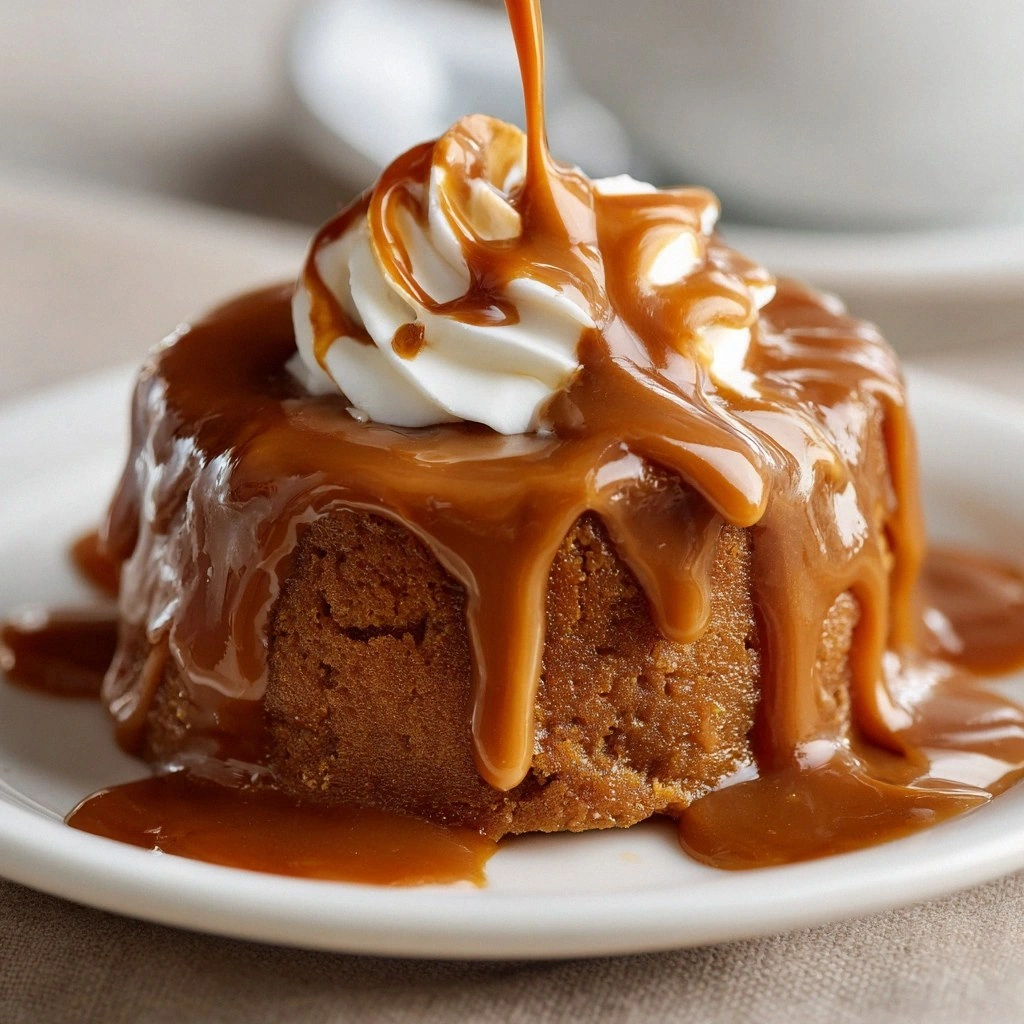
The Method — Step by Step
- Step 1: Prep the Base. Place a medium saucepan over low heat and pour in the Biscoff Cookie Butter. The low heat prevents the butter from burning, while the gentle warmth allows it to soften. Stir with a silicone spatula until the mixture is smooth and starts to release its aroma. This step sets the foundation for the syrup’s flavor and texture.
- Step 2: Add Water and Sugar. Pour in the cup of water, then sprinkle the granulated sugar evenly over the surface. The sugar will begin to dissolve as the mixture heats, creating a glossy sheen. Keep the heat low and stir continuously to prevent the sugar from settling at the bottom. The goal is a uniform mixture that’s ready to thicken.
- Step 3: Simmer and Stir. Increase the heat to medium‑low, letting the mixture come to a gentle simmer. As it heats, the sugar will fully dissolve, and the syrup will start to thicken. Stir constantly to ensure even heat distribution and to keep the mixture from scorching. The sound of the gentle bubbling is a cue that the syrup is progressing.
- Step 4: Introduce Vanilla. Once the mixture has thickened to a pourable consistency, add the teaspoon of vanilla extract. The vanilla’s aroma will mingle with the caramelized Biscoff notes, creating a richer flavor profile. Stir gently to blend the vanilla without breaking the syrup’s smoothness. The mixture should look glossy and slightly amber.
- Step 5: The Final Touch. Sprinkle in the pinch of salt, a crucial ingredient that balances the sweetness. Stir until the salt is fully incorporated, and watch the syrup’s color deepen slightly. At this point, the mixture should be thick enough to coat the back of a spoon but still pourable. This is the moment of truth.
- Step 6: Cool Slightly. Remove the pan from the heat and let the syrup cool for about five minutes. Cooling will allow the syrup to thicken further, making it easier to pour. While it cools, you can taste a small amount to ensure the flavor is balanced. This step ensures the syrup won’t be too runny when you’re ready to serve.
- Step 7: Transfer to a Container. Carefully pour the syrup into a clean glass jar or airtight container. Seal immediately to preserve freshness and prevent the syrup from absorbing odors. Label the jar with the date so you know how long it’s been stored. The syrup should be glossy and ready for use.
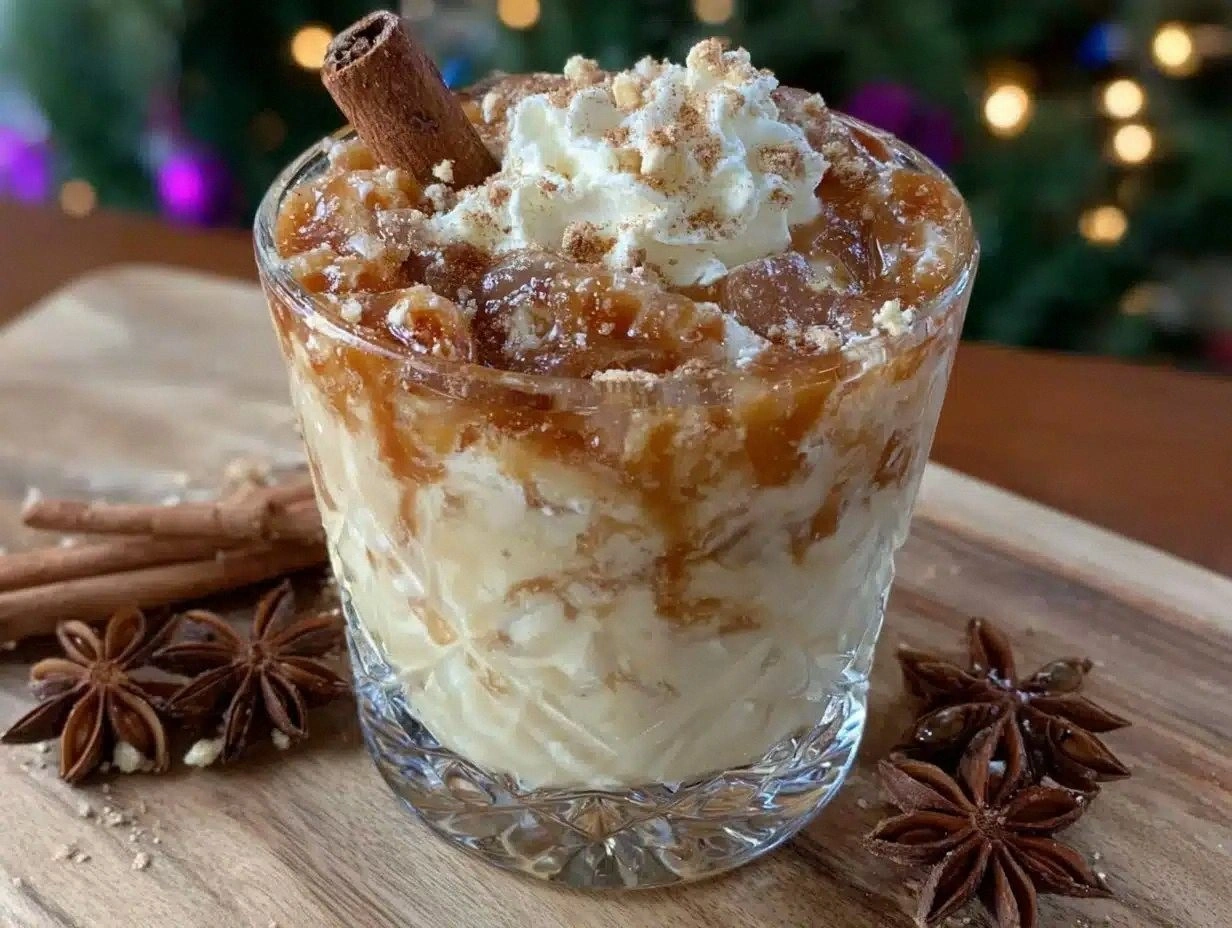
- Step 8: Serve and Enjoy. Drizzle the syrup over pancakes, waffles, or a latte. The syrup’s velvety texture will coat each bite, delivering a burst of caramelized, spiced sweetness. You can also use it as a topping for ice cream or as a glaze for desserts. The possibilities are endless, and the flavor is unmistakably Biscoff.
That’s it — you did it. But hold on, I’ve got a few more tricks that will take this to another level.
Insider Tricks for Flawless Results
The Temperature Rule Nobody Follows
Maintaining the correct heat is essential for a smooth syrup. Too high, and the sugar will caramelize too quickly, producing a bitter aftertaste; too low, and the mixture will remain runny. I’ve found that setting the stove to medium‑low and using a thermometer to keep the temperature under 160°F (70°C) works best. This ensures a gentle, even melt that preserves the buttery flavor.
Why Your Nose Knows Best
Before you finish the syrup, give it a quick sniff. The aroma should be warm, caramelized, and slightly spiced. If it smells overly sweet or burnt, it’s a sign that the heat was too high. Trusting your nose can save you from a batch that’s either too thin or bitter. A well‑aromated syrup is a good indicator of a balanced flavor profile.
The 5-Minute Rest That Changes Everything
After removing the pan from heat, let the syrup rest for exactly five minutes. This brief pause allows the sugar to settle and the mixture to thicken to the perfect pourable consistency. Skipping this rest can leave the syrup too runny, making it difficult to drizzle evenly. It’s a small step that has a huge impact on the final texture.
Stirring Technique for a Smooth Finish
Stirring constantly is key to preventing lumps. Use a silicone spatula that can glide over the bottom of the pan without scratching. If you notice any lumps, add a splash of cold water and stir vigorously; the water will help dissolve them. A smooth finish is non‑negotiable for a syrup that looks and tastes professional.
The Sweetness Balance
The amount of sugar can be adjusted to suit your taste, but keep the ratio to Biscoff at roughly 0.5:1. A higher sugar content will produce a thicker, sweeter syrup, while less sugar will result in a lighter, more buttery flavor. If you’re watching calories, you can reduce the sugar by 25% and add a splash of almond milk for a slight dairy alternative.
Creative Twists and Variations
This recipe is a playground. Here are some of my favorite ways to switch things up:
Coffee‑Infused Biscoff
Add a tablespoon of instant coffee granules to the mixture before simmering. The coffee intensifies the syrup’s flavor, making it a perfect topping for iced coffees or cold brews. The result is a rich, mocha‑like syrup that pairs wonderfully with dairy or oat milk.
Nutty Biscoff Boost
Stir in a tablespoon of finely ground toasted almonds or hazelnuts during the final simmer. The nuts add a subtle crunch and nutty undertone that complements the caramelized notes. It’s an excellent addition for those who love a bit of texture in their syrup.
Spicy Cinnamon Twist
Replace the vanilla extract with a teaspoon of ground cinnamon for a warmer, spicier profile. The cinnamon enhances the existing spice notes in Biscoff while adding a fragrant kick. This version is especially good for fall breakfasts.
Lemon‑Zest Refresh
Add the zest of one lemon to the saucepan during the simmer. The citrus brightens the syrup, cutting through the sweetness and giving it a fresh lift. This variation is ideal for summer mornings or for those who enjoy a zesty twist.
Chocolate‑Covered Delight
After the syrup has cooled, drizzle melted dark chocolate over the top and let it set. The chocolate creates a glossy finish and adds a bitter contrast that balances the syrup’s sweetness. This makes for an indulgent topping on pancakes or a decadent dessert drizzle.
Vegan Vanilla Boost
Use a plant‑based vanilla extract and replace the Biscoff with a vegan cookie butter alternative. The result is a completely plant‑based syrup that still delivers the iconic Biscoff flavor. It’s perfect for vegans or anyone looking to reduce dairy.
Storing and Bringing It Back to Life
Fridge Storage
Store the syrup in a tightly sealed glass jar in the refrigerator. It will keep for up to two weeks, maintaining its silky texture and rich flavor. Before using, give it a gentle stir to re‑integrate any separation that may have occurred.
Freezer Friendly
The syrup freezes well and can be stored for up to three months. Pour the syrup into an airtight freezer bag, leaving a little headspace for expansion. When you’re ready to use it, thaw in the refrigerator overnight or at room temperature for about 30 minutes.
Best Reheating Method
To revive the syrup, place the jar in a bowl of hot water and let it sit for a few minutes. Alternatively, heat the syrup gently in a saucepan on low heat, stirring constantly. Adding a tiny splash of water before reheating helps it steam back to perfection and restores its pourable consistency.