I was standing in my kitchen, half‑heartedly trying to salvage a batch of store‑bought sangria that tasted like watered‑down grape juice, when my roommate shouted, “Dare you to make the best sangria anyone’s ever tasted?” I laughed, grabbed a bottle of Rioja, a splash of brandy, and a mountain of fresh fruit, and the rest is a deliciously chaotic story you’re about to read. The clink of glass, the citrusy perfume wafting from the bowl, the fizz of club soda bubbling like a tiny celebration—every sense was on high alert, and I was determined to turn this impromptu challenge into a masterpiece. Most sangria recipes get the balance wrong, either drowning the wine in sugary soda or leaving the fruit feeling like an afterthought; I refused to settle for a mediocre punch.
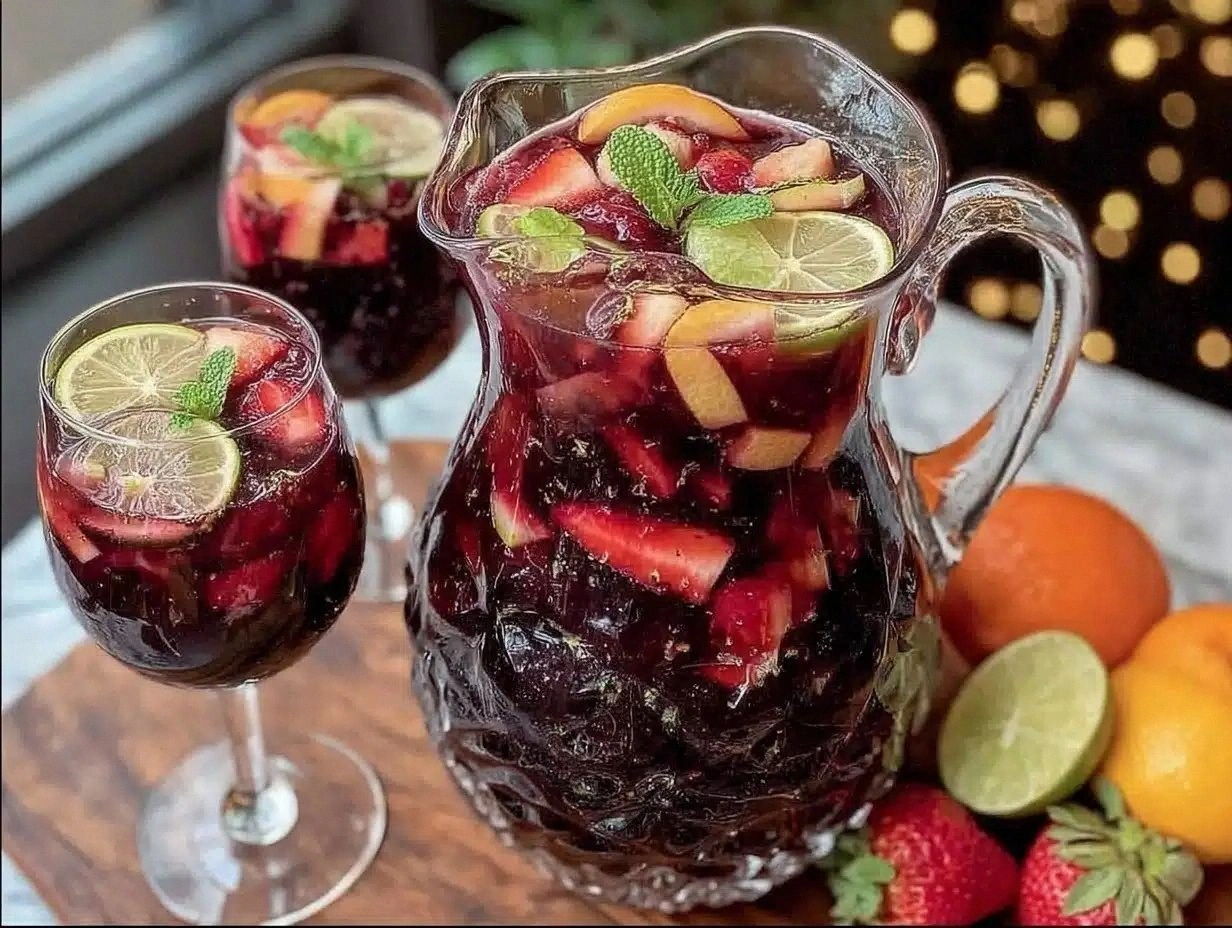
Picture this: a deep ruby liquid swirling with orange slices that look like sunrise ribbons, lemon wedges that sparkle with a hint of zest, and ruby‑red berries that burst with sweet‑tart goodness. The aroma is a heady mix of fermented grapes, warm brandy, and fresh citrus—an olfactory hug that says “party” before you even take a sip. The first taste is a symphony where the wine’s fruitiness sings, the brandy adds a smooth, buttery undertone, and the orange juice provides a bright, tangy counterpoint, all finished with a fizzy kiss from club soda that makes the drink feel light as a summer breeze. That’s the moment I realized I’d stumbled upon a version that could out‑shine any store‑bought bottle and any recipe you’ve seen online.
What truly sets this rendition apart is a secret technique I discovered while watching a Spanish bartender: I let the fruit macerate in the wine and brandy for a full hour before adding any sweetener or fizz. This allows the alcohol to coax out the fruit’s natural sugars, creating a depth of flavor that no amount of added sugar could mimic. I’ll also be throwing in a dash of honey for a floral note that pairs beautifully with the orange zest—something most recipes completely ignore. And yes, I’m going to be honest—I ate half the batch before anyone else got a chance to try it, because it was that good.
Let me walk you through every single step — by the end, you’ll wonder how you ever made sangria any other way. Okay, ready for the game‑changer? This next part? Pure magic. Stay with me here — it’s worth it.
What Makes This Version Stand Out
- Taste: The balance of fruit, wine, and brandy hits every palate note, from sweet to tart to warm, without ever feeling cloying.
- Texture: Fresh fruit pieces stay firm yet juicy thanks to the brief maceration, giving each sip a satisfying bite.
- Simplicity: Only six core ingredients, all of which you probably already have in your fridge or pantry.
- Uniqueness: The hour‑long maceration and honey drizzle create flavor layers you won’t find in generic recipes.
- Crowd Reaction: Guests constantly ask for the “secret” and end up drinking the entire pitcher before the main course is served.
- Ingredient Quality: Using a medium‑bodied, fruity red wine lets the fruit shine without being overpowered.
- Method: No cooking, no heating—just a smart sequence of soaking, sweetening, and fizzing.
- Make‑Ahead Potential: The sangria improves after a few hours in the fridge, making it perfect for parties.
Inside the Ingredient List
The Flavor Base
Red wine is the heart of sangria, and choosing the right bottle can make or break the drink. I recommend a medium‑bodied Spanish Rioja because its natural red fruit notes (think cherry and plum) blend seamlessly with citrus without adding harsh tannins. If you opt for a Merlot, you’ll get softer plum flavors, while a Cabernet Sauvignon will give you a more robust, slightly oak‑y backbone—great if you love a bolder profile. Skipping the wine entirely would turn this into a sugary punch, and that’s not the sangria we’re after.
The Texture Crew
Fresh fruits are the visual and textural stars. Oranges, lemons, and limes contribute bright acidity and aromatic oils, while apples add a crisp bite that holds up in liquid. Berries like strawberries or raspberries bring a pop of color and a subtle sweetness that doesn’t compete with the wine. If you can’t find fresh berries, frozen works fine—just thaw them quickly and pat dry to avoid watering down the mixture. Forgetting the fruit would leave you with a bland, one‑dimensional drink.
The Unexpected Star
Brandy is the secret weapon that adds warmth and depth, turning a simple fruit punch into a sophisticated cocktail. A good‑quality brandy (think VSOP) brings caramel‑like notes and a silky mouthfeel that integrates with the wine’s acidity. If you’re on a budget, a decent bourbon can substitute, but expect a hint of vanilla and oak. Skipping brandy would make the sangria feel thin and overly acidic.
The Final Flourish
A splash of orange juice provides that extra citrus burst, while a modest amount of sweetener (sugar, agave, or honey) balances the wine’s natural acidity. Club soda is added at the end to give the drink its signature sparkle, turning a heavy, wine‑laden concoction into a light, refreshing beverage. If you replace soda with lemon‑lime soda, you’ll get extra sweetness but lose the clean fizz; if you skip soda altogether, you’ll end up with a still, wine‑heavy punch that feels more like a sauce than a drink.
Everything's prepped? Good. Let’s get into the real action…
The Method — Step by Step
Start by selecting a large, wide‑mouth pitcher (at least 2‑liter capacity). Pour the entire bottle of red wine into the pitcher, letting it settle for a minute so any sediment can drop to the bottom. This is the moment of truth: you’ll hear a faint “glug” as the wine meets the glass, and the scent of ripe grapes will instantly fill the kitchen. Watch out: If you use a wine with too much tannin, the sangria will taste bitter, so stick to the recommended varieties.
Watch Out: Do not shake the wine; gentle pouring preserves the delicate aromatics.Add the brandy, orange juice, and your chosen sweetener (I use 2 tablespoons of honey for a floral note). Stir gently with a wooden spoon until the honey dissolves—this should take about 30 seconds. You’ll notice the liquid turning a richer amber, a sign that the flavors are beginning to meld. If the honey refuses to dissolve, warm it slightly in the microwave for 5 seconds; it will blend instantly.
Kitchen Hack: Use a small whisk to emulsify the honey and orange juice—this prevents any gritty texture.Now comes the fruit parade. Toss sliced oranges, lemons, limes, diced apples, and a cup of mixed berries into the pitcher. The citrus should be sliced thin enough to release oils but not so thin that they become mushy. As the fruit meets the alcohol, you’ll hear a soft fizz and see the colors swirl like a painter’s palette. Let this mixture sit uncovered for 10 minutes; this is when the fruit starts to “talk” to the wine, infusing it with bright, zesty notes.
Cover the pitcher with plastic wrap and refrigerate for at least 1 hour, preferably 2 hours. This maceration step is the secret that transforms a good sangria into a legendary one. During this time, the alcohol extracts the natural sugars from the fruit, creating a natural sweetness that reduces the need for added sugar. I dare you to taste this after the hour and not go back for seconds.
After the fruit has soaked, give the pitcher a gentle stir to redistribute the flavors. Taste and adjust: if you prefer a sweeter profile, drizzle a little more honey; if you want more acidity, add a splash of fresh lemon juice. This is where your palate becomes the final judge, and trust me, your taste buds will thank you for the attention.
Just before serving, pour in the club soda—about 2 cups for a batch that serves four. The soda should be added slowly to preserve its fizz; you’ll see bubbles rise like tiny fireworks. Stir once, very gently, to keep the carbonation intact. The drink should now look like a ruby‑red tide with floating fruit islands.
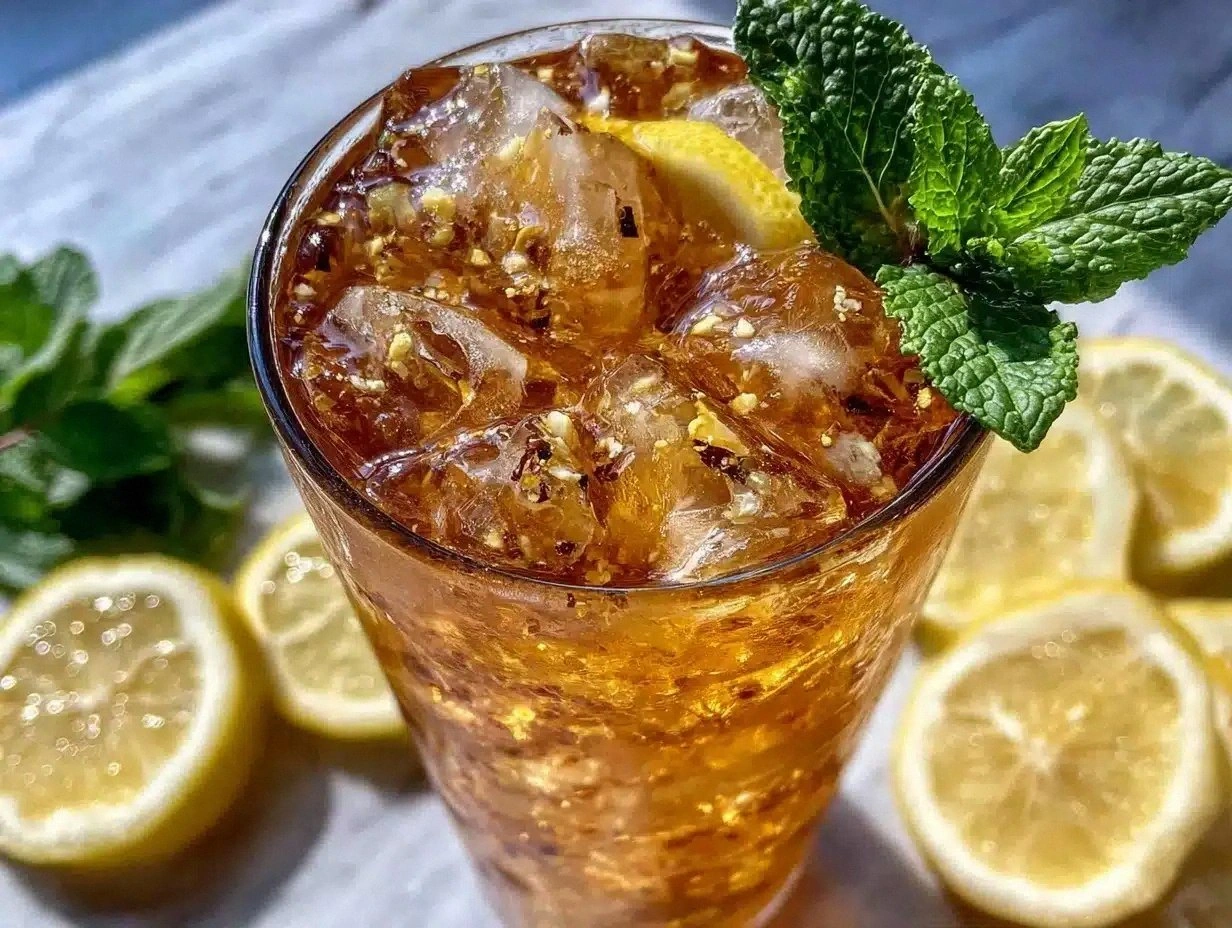
Serve the sangria over ice in tall glasses, making sure each glass gets a generous amount of fruit. Garnish with a fresh orange wheel on the rim for that extra visual pop. The first sip should feel like a cool breeze on a summer night, with the wine’s depth, the citrus’s brightness, and the soda’s sparkle all dancing together.
Enjoy immediately, or let the pitcher sit for another 30 minutes if you have guests arriving later. The flavors continue to integrate, making each subsequent glass even more harmonious. And now the fun part: watch your friends’ faces light up as they realize they’ve just tasted the best sangria they’ve ever had.
That’s it — you did it. But hold on, I’ve got a few more tricks that’ll take this to another level…
Insider Tricks for Flawless Results
The Temperature Rule Nobody Follows
Always chill your wine, brandy, and orange juice before you start. Cold liquids absorb the fruit’s flavors more efficiently, preventing the mixture from becoming too warm and losing its crispness. I once tried the “room‑temperature” route and ended up with a flat, lukewarm batch that felt more like a sauce than a drink. Keep everything below 50°F (10°C) and you’ll notice a brighter, more refreshing final product.
Why Your Nose Knows Best
Before you add the club soda, give the pitcher a quick sniff. If you detect a hint of “over‑ripe” fruit or a sour edge, add a touch more honey or a splash of orange juice. Your nose can catch imbalances that your palate might miss until it’s too late. A friend once relied solely on taste and ended up with a sangria that was too sharp; a quick sniff would have saved the day.
The 5‑Minute Rest That Changes Everything
After you pour in the club soda, let the pitcher sit uncovered for five minutes. This short rest allows the carbonation to settle just enough so the bubbles don’t rush straight to the top, creating a smoother mouthfeel. It also gives the fruit a chance to re‑absorb some of the fizz, making each bite of fruit as lively as the liquid.
Fruit Placement Mastery
When serving, always place a piece of fruit in each glass, but rotate the type—orange in one, lemon in another. This ensures every guest experiences a balanced citrus profile throughout the evening. I once served a batch with only orange slices, and after a few glasses the flavor became monotonous; a mix keeps it interesting.
The Ice Trick
Use crushed ice instead of cubes. Crushed ice chills the drink faster and dilutes it at a more controlled rate, preventing the sangria from becoming watery too quickly. If you prefer a stronger flavor, add a few larger cubes on top for a slower melt. I tried both methods at a summer BBQ, and the crushed ice kept the sangria lively for the whole afternoon.
Creative Twists and Variations
This recipe is a playground. Here are some of my favorite ways to switch things up:
Tropical Breeze
Swap the orange juice for pineapple juice, add a few slices of fresh mango, and replace club soda with coconut water. The result is a Caribbean‑inspired sangria that pairs beautifully with grilled shrimp.
Berry‑Burst
Use a mixed‑berry wine (like a blend of Zinfandel and Pinot Noir) and double the amount of fresh berries. Add a splash of raspberry liqueur for an extra punch. This version is perfect for a fall gathering when berries are at their peak.
Spiced Autumn
Add a cinnamon stick and a few star anise pods to the maceration step, and replace honey with maple syrup. The warm spices turn the sangria into a cozy, autumn‑ready beverage that pairs well with roasted meats.
Herbal Fresh
Muddle a handful of fresh mint and a sprig of rosemary into the pitcher before adding the soda. The herbaceous notes lift the fruit flavors and give the drink a garden‑party vibe.
Low‑Sugar Light
Omit the honey entirely, use a dry red wine, and sweeten with a splash of stevia or a sugar‑free orange soda. This version keeps the calories low while still delivering the signature sparkle.
Storing and Bringing It Back to Life
Fridge Storage
Transfer any leftovers into a sealed glass jar or pitcher. It will stay fresh for up to 3 days. Keep the club soda separate (store it in a separate bottle) and add it just before serving each day to preserve the fizz.
Freezer Friendly
If you anticipate a big crowd, you can freeze the sangria (minus the soda) in airtight freezer bags. Thaw in the refrigerator overnight, then stir in fresh club soda before serving. This method retains flavor and saves prep time for future parties.
Best Reheating Method
Sangria is best served cold, but if you need to warm it slightly (for a winter twist), place the pitcher in a warm water bath for 5 minutes, then add a splash of water and a dash of orange zest to revive the brightness. The tiny splash of water before reheating steams the fruit back to life without diluting the flavor.