I’ll be honest — the first time I tried to make coconut rice, it turned out looking like a sticky glue trap for ants. I was about to give up, when a dare from my roommate sparked a midnight experiment: “Make it fluffy, not glue, and I’ll buy you dessert.” That challenge lit a fire under my kitchen instincts, and after a few burnt attempts and a lot of tasting (I dare you to taste this and not go back for seconds), I finally cracked the code. The secret? A precise balance of liquid, a dash of aromatics, and a gentle hand when it comes to the heat.
Picture this: a pot simmering, the air filled with the sweet perfume of pandan and the citrus zing of kaffir lime leaves, while the rice swells like a tiny, fragrant cloud. You hear the occasional pop as the coconut milk meets the heat, and you feel the gentle steam kiss your skin. The texture? Imagine a pillow of rice that gives just enough give when you press it, never clumping into a soggy slab. The flavor? A buttery coconut kiss that’s brightened by the subtle acidity of lime, making every bite feel like a mini tropical vacation.
Most recipes get this completely wrong. They either drown the rice in too much coconut milk, ending up with a mushy mess, or they skimp on the aromatics, leaving it flat and forgettable. This version is hands down the best version you’ll ever make at home because it respects the rice’s natural structure while coaxing out the deepest coconut flavor. I’m talking about that perfect, fluffy grain that holds its shape, not a gummy lump that sticks to the spoon.
And now for the twist that most cooks overlook: a quick toast of desiccated coconut in the pan before adding the liquid. That tiny toasty note adds a nutty crunch that pops like fireworks in your mouth. Okay, ready for the game-changer? Let me walk you through every single step — by the end, you’ll wonder how you ever made it any other way.
What Makes This Version Stand Out
- Flavor Explosion: The combination of fresh pandan leaf and kaffir lime leaf infuses the rice with a fragrant, almost floral aroma that you can’t get from canned coconut milk alone.
- Fluffy Texture: By using a 2:1 liquid-to-rice ratio and a gentle simmer, each grain stays separate, creating a cloud‑like consistency.
- Simplicity: Only fifteen ingredients, all easy to find at a typical grocery store or Asian market, and no fancy equipment required.
- Unique Aroma: The pandan leaf adds a sweet, vanilla‑like scent that pairs perfectly with the citrusy lime, making the dish unforgettable.
- Crowd Reaction: Serve this alongside spicy curries and watch guests gasp, “Is this really rice? It’s like a dessert!”
- Ingredient Quality: Using jasmine rice and real coconut milk (not the canned “lite” version) guarantees that buttery mouthfeel.
- Cooking Method: A stovetop “absorption” technique ensures even cooking without the need for a rice cooker.
- Make‑Ahead Potential: This rice reheats beautifully, retaining its fluffiness for up to three days.
Alright, let's break down exactly what goes into this masterpiece...
Inside the Ingredient List
The Flavor Base
The pandan leaf is the secret hero here. Its sweet, vanilla‑like fragrance lifts the coconut milk from ordinary to exotic. If you can’t find fresh pandan, look for frozen knots or even pandan extract—just a teaspoon will do. Skipping it means losing that signature aroma, leaving the rice sounding plain.
The Aroma Duo
Kaffir lime leaves bring a bright, citrusy punch that cuts through the richness of coconut. When you crush them between your fingers before adding, you release essential oils that perfume the entire pot. If you substitute with regular lime zest, you’ll get acidity but miss the nuanced floral notes.
The Texture Crew
Jasmine rice is the backbone—its fragrant, slightly sticky nature makes it perfect for absorbing liquids while staying separate. The desiccated coconut, toasted just before cooking, adds a whisper of crunch that surprises the palate. If you’re allergic to coconut, swap it for toasted almond slivers for a similar textural contrast.
The Unexpected Star
Coconut milk powder might sound like a shortcut, but it actually intensifies the coconut flavor without adding extra liquid, keeping the rice from turning soggy. It’s also a pantry hero when fresh coconut milk isn’t on hand. Just dissolve it in the water portion for an even distribution.
Everything's prepped? Good. Let's get into the real action...
The Method — Step by Step
Rinse the jasmine rice under cold water until the water runs clear. This removes excess starch that would otherwise turn your rice gummy. Drain well and set aside. The moment you see those crystal‑clear grains, you’ll know you’re on the right track.
In a medium saucepan, combine 400 ml coconut milk, 1 cup water, and the coconut milk powder. Stir until the powder fully dissolves, creating a silky white broth. Add the 5 tsp white sugar and 0.5 tsp kosher salt; stir until both dissolve. This sweet‑salty base is what will keep the rice from tasting flat.
Drop in the pandan leaf (tied into a knot) and the two kaffir lime leaves. Let them steep for about 2 minutes on medium heat, releasing their aromatic oils. You’ll hear a gentle sizzle as the liquid warms—That sizzle when it hits the pan? Absolute perfection.
- Kitchen Hack: Before adding the rice, toast the desiccated coconut in the same saucepan for 1‑2 minutes. This prevents a raw coconut flavor and adds a subtle nutty note.
Stir the toasted coconut into the coconut broth, then add the rinsed rice. Give it a quick stir to coat each grain with the fragrant liquid. The rice should look glossy, as if each grain is wearing a tiny coat of coconut armor.
Bring the mixture to a gentle boil, then immediately lower the heat to a simmer and cover tightly with a lid. Set a timer for 15 minutes—no peeking! The steam inside the pot is what will gently cook the rice, keeping each grain separate.
- Watch Out: If you lift the lid too early, the steam escapes and the rice can end up undercooked or unevenly textured. Trust the timer.
After 15 minutes, turn off the heat but keep the lid on for another 10 minutes. This resting period lets the rice finish cooking in its own steam, resulting in that pillow‑soft fluff you’re after. You’ll notice the edges of the rice pulling away slightly from the pot—great sign.
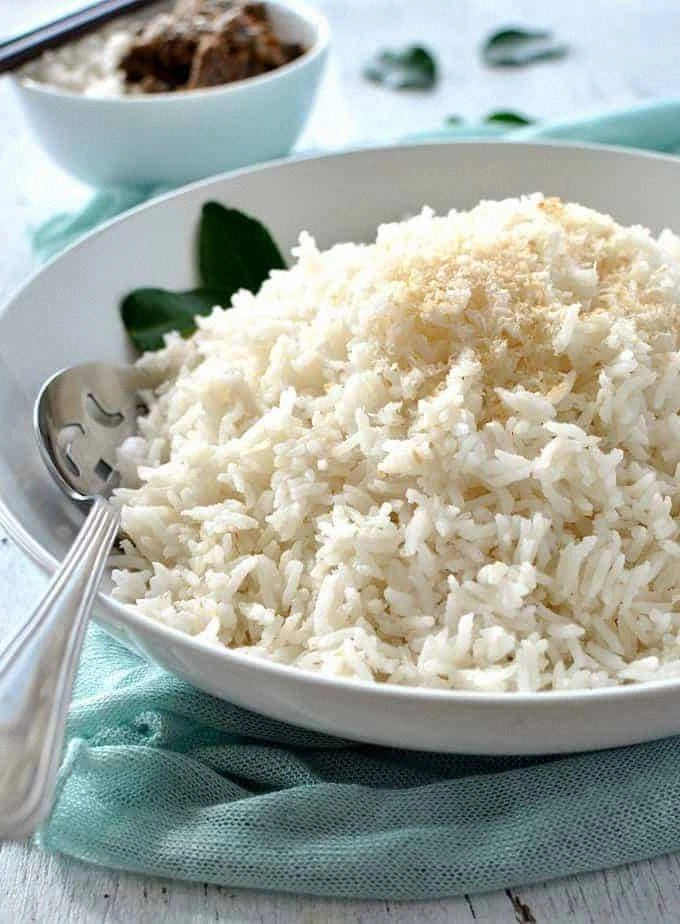
Discard the pandan leaf and kaffir lime leaves. Fluff the rice gently with a fork, being careful not to mash the grains. The final product should look like a pristine white mound, speckled with tiny golden coconut flecks.
Serve immediately, or keep warm in a covered dish for up to an hour. If you’re feeling daring, drizzle a thin splash of extra coconut milk over the top for a glossy finish. Picture yourself pulling this out of the pot, the whole kitchen smelling incredible…
That's it — you did it. But hold on, I've got a few more tricks that'll take this to another level...
Insider Tricks for Flawless Results
The Temperature Rule Nobody Follows
Keep the simmer low—just a gentle bubble. If the heat spikes, the rice can scorch at the bottom, creating a bitter undertone. I once cranked the stove to “medium‑high” and ended up with a burnt bottom layer that ruined the whole batch. The secret is a steady, low heat that lets the rice absorb the coconut broth slowly.
Why Your Nose Knows Best
Before you lift the lid, give the pot a quick sniff. If you smell a sweet, toasted coconut aroma, you’re on track. If it smells raw or watery, something’s off—perhaps you didn’t dissolve the coconut milk powder fully. Trust that nose; it’s better than any timer.
The 5‑Minute Rest That Changes Everything
After the cooking timer dings, resist the urge to dive in. Let the rice sit, covered, for five more minutes. This rest allows the moisture to redistribute, ensuring each grain stays separate. A friend tried skipping this step once — let’s just say the rice clumped like a sticky mess.
Toast the Coconut, Not the Rice
Toasting the desiccated coconut before adding it to the pot adds a layer of nutty flavor that you can’t achieve by simply mixing it in. It also prevents the coconut from tasting raw, which can happen if the coconut milk is too cool when combined.
Use a Heavy‑Bottomed Pot
A thick-bottomed saucepan distributes heat evenly, reducing the risk of hot spots that cause uneven cooking. If you use a thin aluminum pot, you’ll notice the rice cooking faster on the edges and staying raw in the center.
Creative Twists and Variations
This recipe is a playground. Here are some of my favorite ways to switch things up:
Mango‑Infused Coconut Rice
Add ½ cup diced ripe mango during the final fluff. The mango’s sweet acidity balances the rich coconut, making it perfect for a tropical brunch.
Spicy Chili Coconut Rice
Stir in 1 tsp finely chopped red chili and a dash of fish sauce after cooking. The heat cuts through the creaminess, pairing beautifully with grilled fish.
Coconut Lime Quinoa
Swap the jasmine rice for quinoa for a protein‑packed version. Keep the same liquid ratios; the quinoa will absorb the coconut broth while staying fluffy.
Nutty Cashew Coconut Rice
Toast a handful of cashews and fold them in at the end. The crunchy nuts add a satisfying contrast and a hint of buttery richness.
Herbal Green Coconut Rice
Blend a handful of fresh cilantro and a splash of lime juice into the coconut broth before cooking. The herbaceous note adds freshness, perfect for a summer BBQ.
Storing and Bringing It Back to Life
Fridge Storage
Let the rice cool to room temperature, then transfer to an airtight container. It will keep for up to 3 days. When reheating, add a splash of water or coconut milk and cover loosely to retain moisture.
Freezer Friendly
Portion the rice into freezer‑safe bags, flattening them for even freezing. It freezes well for up to 2 months. Thaw overnight in the fridge, then steam gently on the stovetop with a lid.
Best Reheating Method
Place the rice in a skillet with a tablespoon of water, cover, and warm over low heat for 5‑7 minutes. The steam will revive the fluffiness, and a final sprinkle of toasted coconut brings back that fresh‑toasted crunch.