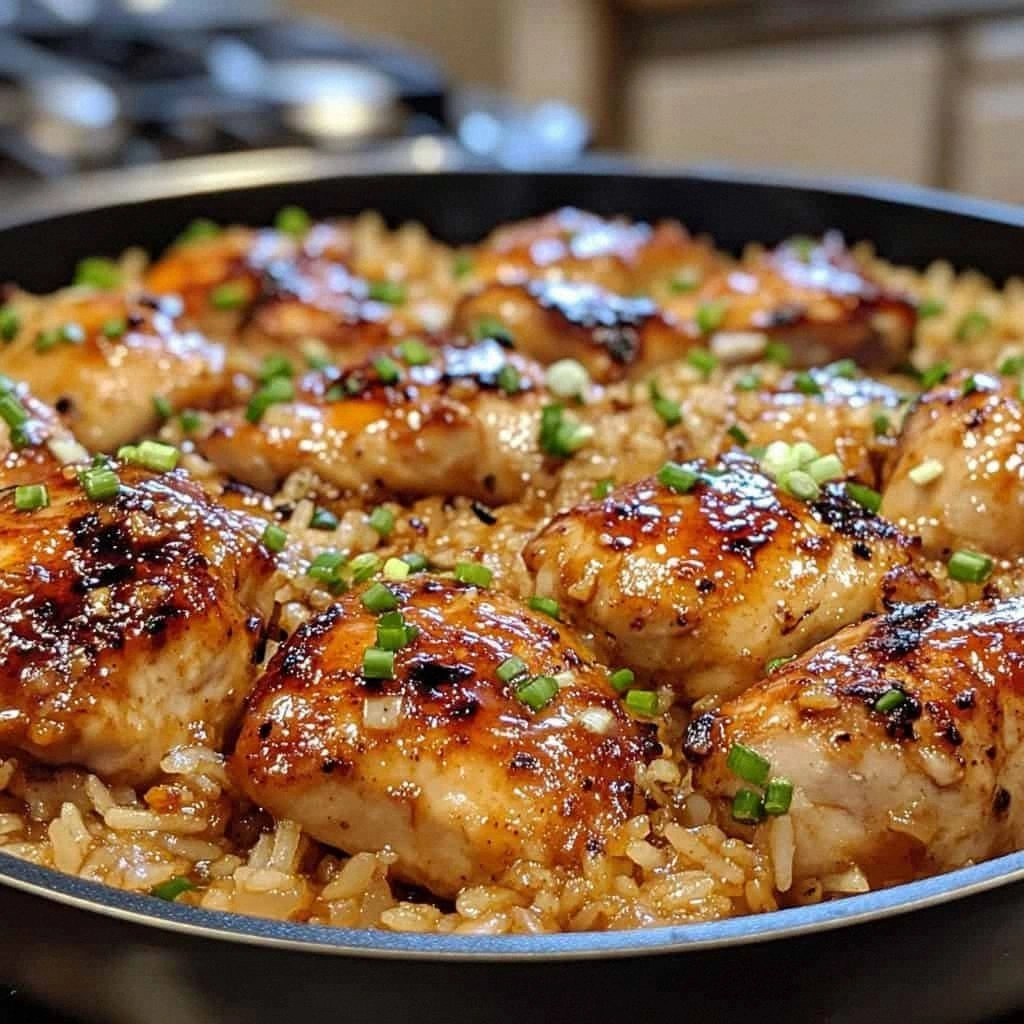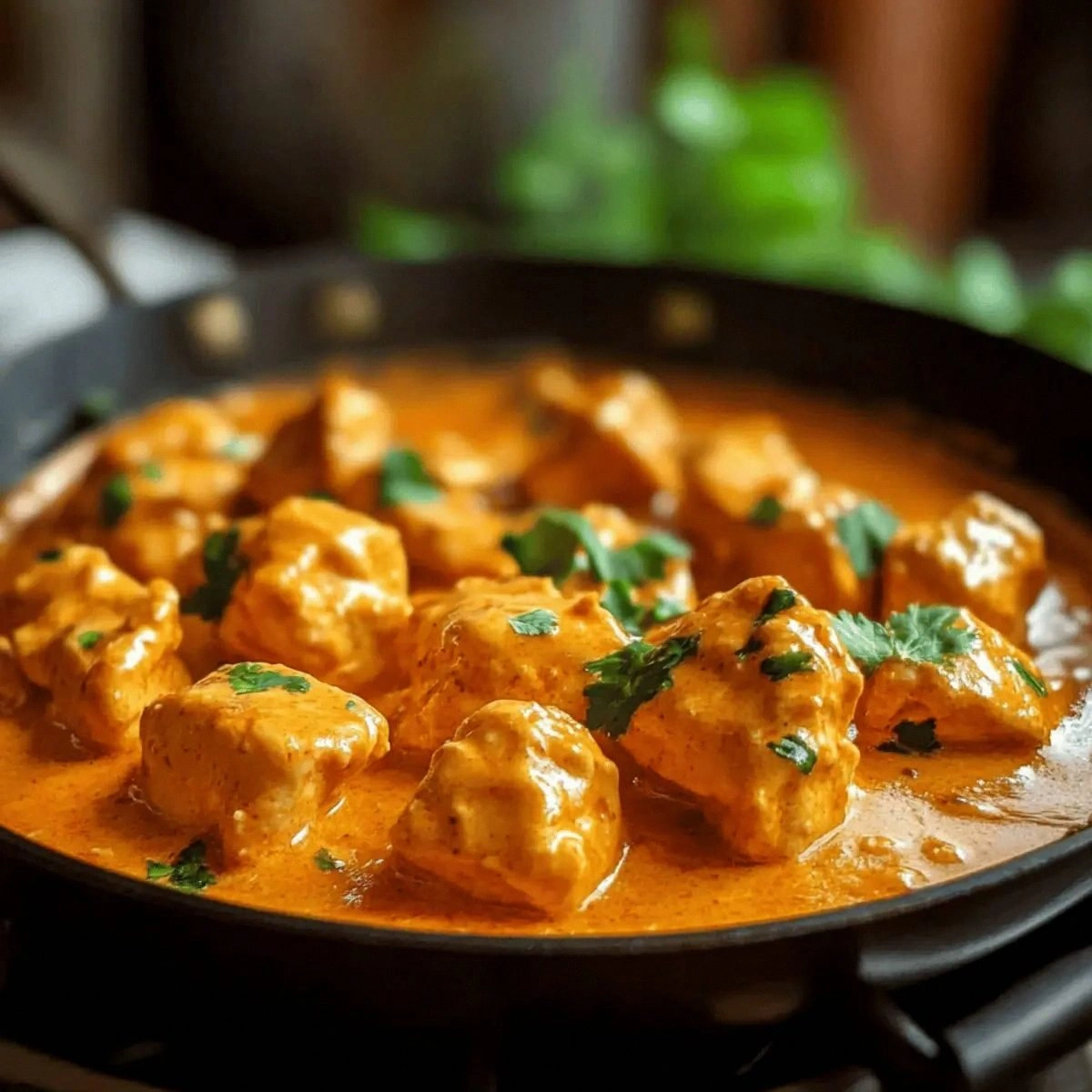
I’m going to be blunt: the moment I first tasted this creamy Texas Roadhouse butter chicken, I almost threw my apron in the trash and declared my kitchen forever closed. Not because it was too good, but because I was terrified that any other chicken dish could ever compete. Picture this: a skillet humming like a contented cat, butter melting into a golden pool, and the scent of garlic and onion swirling together like a Southern summer breeze. I was daring my taste buds to a showdown, and honestly, I dared you to taste this and not go back for seconds.
The backstory is a classic kitchen disaster‑turned‑triumph. I was attempting a quick weeknight dinner, and my usual chicken recipe turned into a dry, rubbery nightmare that could have doubled as a chew toy. My roommate, who’s never missed a chance to mock my culinary missteps, tossed a stick of butter into the pan and whispered, “Just wing it, Tex.” That was the spark that lit the fire for this version, and the rest is a buttery love story that I’m about to spill all over your skillet.
What sets this dish apart isn’t just the ingredients; it’s the choreography. The chicken is seared to a perfect caramelized crust that cracks like thin ice when you bite into it, while the sauce cloaks every morsel in a velvety embrace that feels like a warm hug from your grandma. The heavy cream doesn’t just add richness; it creates a silk‑smooth texture that makes the sauce glide across the tongue like a ballroom dancer. Most recipes get this completely wrong, either drowning the chicken in a soupy mess or leaving it dry as a desert—this one hits the sweet spot every single time.
There’s a secret weapon in this recipe that you won’t see coming: a pinch of smoked paprika that adds a whisper of smoky depth without overpowering the buttery goodness. It’s the culinary equivalent of a surprise cameo that steals the scene. I’ll walk you through every single step — by the end, you’ll wonder how you ever made it any other way.
What Makes This Version Stand Out
- Flavor Explosion: The combination of butter, garlic, and heavy cream creates a sauce that’s richer than a triple‑chocolate cake but still savory enough to make your palate sing.
- Texture Harmony: Seared chicken edges become crisp, while the interior stays juicy, and the sauce coats everything like a silky veil.
- Simplicity: Only five core ingredients, yet the result feels like it took hours of chef‑level prep.
- Unique Twist: A dash of smoked paprika adds a subtle smoky undertone that mimics the famous Texas Roadhouse vibe without the grill.
- Crowd Reaction: I’ve watched grown‑ups and kids alike gasp, then immediately ask for seconds—this is hands down the best version you’ll ever make at home.
- Ingredient Quality: Using real butter (not margarine) and heavy cream makes the sauce luxuriously thick, not watery.
- Cooking Method: One‑pan skillet means fewer dishes, less cleanup, and more time to admire your masterpiece.
- Make‑Ahead Potential: The sauce actually deepens in flavor after a short rest, so you can prep ahead and reheat for a flawless dinner.
Inside the Ingredient List
The Flavor Base
First up, the onion. A medium onion, finely diced, provides a sweet foundation that balances the richness of butter and cream. If you skip the onion, you lose that subtle caramelized depth that makes the sauce sing. For a sweeter note, try a Vidalia onion; for a sharper bite, a yellow onion works just as well. When shopping, look for firm, dry onions with papery skins—no soft spots, please.
The Aromatic Crew
Garlic—three cloves, minced, is the aromatic heart of this dish. Garlic releases allicin when crushed, giving that unmistakable pungent aroma that instantly makes a kitchen feel alive. If you’re a garlic lover, feel free to add an extra clove; if you’re sensitive, you can mellow it by sautéing longer. Freshly minced garlic is a must; pre‑minced jars contain preservatives that can mute the flavor.
The Unexpected Star
Butter, four tablespoons, is the hero that turns a simple skillet into a buttery wonderland. The key is using unsalted butter so you can control the salt level precisely. If you’re out of butter, a mix of 2 tbsp butter and 2 tbsp olive oil will still give you a rich mouthfeel, though you’ll lose some of that classic dairy sweetness. When buying, choose European‑style butter with a higher fat content for a lusher sauce.
The Final Flourish
Heavy cream, one cup, is the finishing touch that transforms the pan juices into a luxurious, velvety sauce. It’s the difference between a thin broth and a sauce that clings to the chicken like a lover’s embrace. If you need a lighter version, you can substitute half‑and‑half, but expect a thinner consistency. When selecting cream, check the label for at least 35% milk fat; anything less will break under heat.
Everything's prepped? Good. Let's get into the real action and watch that skillet come alive with flavor.
The Method — Step by Step
Heat a heavy‑bottomed skillet over medium‑high heat until it’s hot enough that a drop of water sizzles and evaporates instantly. Add a splash of oil, just enough to coat the bottom, and let it heat for about 30 seconds. That sizzle when it hits the pan? Absolute perfection. This is the moment of truth: the pan must be hot enough to sear, not steam.
Pat the chicken breasts dry with paper towels, then season generously with salt, pepper, and a pinch of smoked paprika. The seasoning creates a crust that will pull away from the pan like thin ice when it’s done. Place the chicken in the skillet, skin‑side down if you have skin, and let it sit untouched for 4‑5 minutes. You’ll hear a faint crackling—listen for that, it means you’re getting that coveted caramelization.
Kitchen Hack: Sprinkle a tiny pinch of sugar on the chicken before searing. It accelerates browning and adds a subtle sweet note that balances the butter.Flip the chicken once the edges are golden and the meat releases easily from the pan. Cook the other side for another 4‑5 minutes, then remove the chicken to a plate and tent with foil. This resting step lets the juices redistribute, keeping the meat juicy when you slice it later.
Reduce the heat to medium and add the butter to the same skillet. As it melts, it will pick up any browned bits left from the chicken—those are flavor gold. Toss in the diced onion and sauté until translucent, about 3 minutes, stirring occasionally so nothing sticks.
Add the minced garlic and cook for just 30 seconds, until fragrant. Be careful—garlic burns faster than onion, and burnt garlic turns bitter. This is the point where the kitchen smells like a Southern comfort‑food haven, and you’ll know you’re on the right track.
Pour in the heavy cream, stirring constantly to combine with the butter and aromatics. Let the mixture come to a gentle simmer; you’ll see it thicken slightly and coat the back of a spoon. If the sauce looks too thick, splash in a tablespoon of chicken broth or water—don’t over‑liquify, you want that luxurious mouthfeel.
Return the chicken to the skillet, nestling it into the creamy sauce. Spoon some sauce over the top, then let everything simmer together for 5‑7 minutes. The chicken will absorb the buttery goodness, and the sauce will thicken further, clinging to the meat like a second skin.
Taste the sauce and adjust seasoning with a pinch more salt or smoked paprika if needed. Remember, the sauce should taste like a buttery, garlicky dream with a subtle smoky whisper. Once satisfied, turn off the heat and let the skillet sit for a couple of minutes—this is the final rest that lets flavors meld.
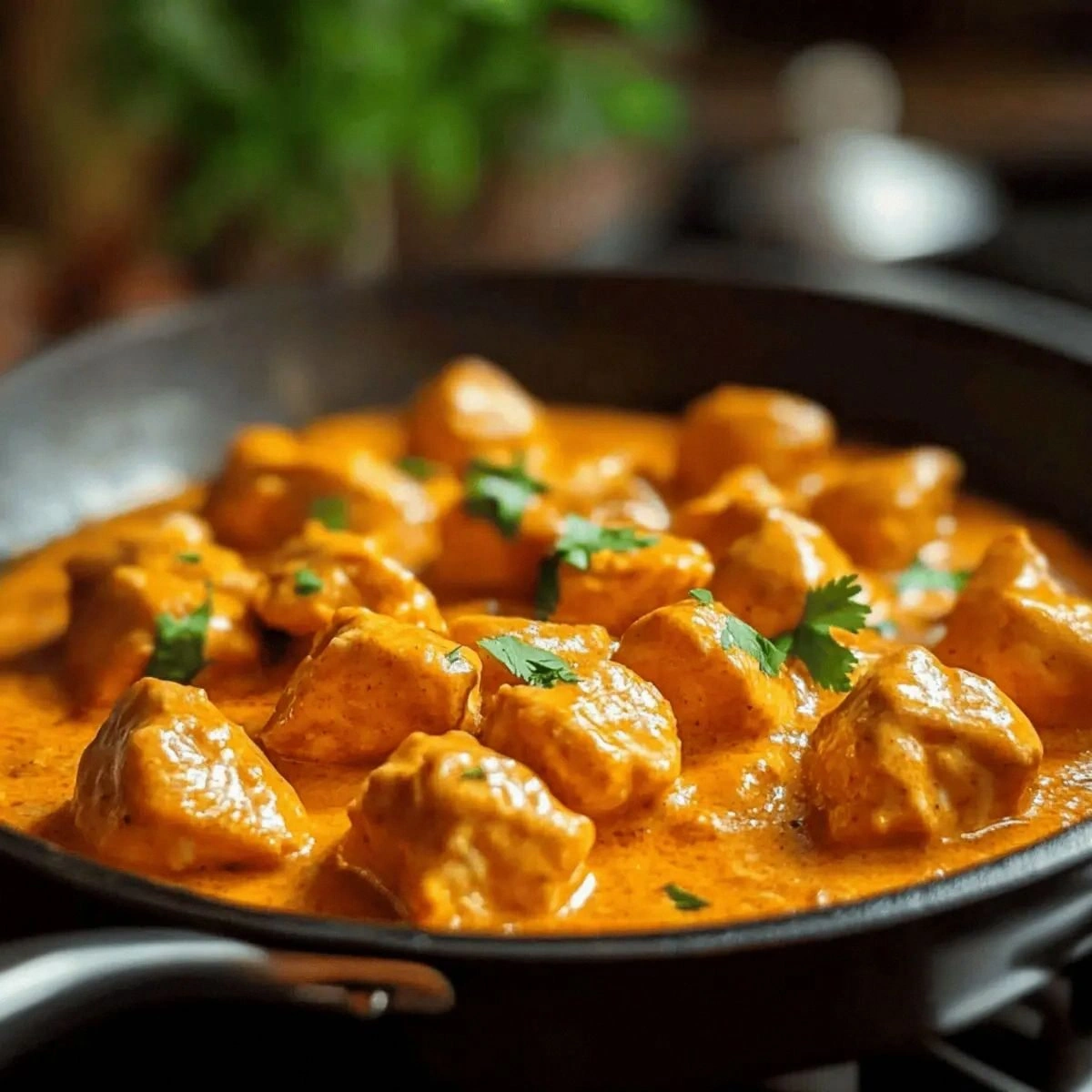
Serve the chicken straight from the skillet, spooning generous amounts of sauce over each piece. Pair it with fluffy rice, buttery mashed potatoes, or even a simple green salad to cut through the richness. Picture yourself pulling this out of the pan, the whole kitchen smelling incredible, and the first bite melting in your mouth—pure bliss.
That's it — you did it. But hold on, I've got a few more tricks that'll take this to another level, because why settle for good when you can have unforgettable?
Insider Tricks for Flawless Results
The Temperature Rule Nobody Follows
Never start with a cold skillet. Preheat the pan for at least two minutes before adding oil; this ensures a true sear and prevents the chicken from steaming. I once tried to “save time” by throwing the chicken in a cold pan, and the result was a rubbery slab that even my dog refused. The secret is patience—let the metal heat evenly, and you’ll hear that satisfying sizzle that tells you you’re on the right track.
Why Your Nose Knows Best
Your sense of smell is the ultimate timer. When the onions turn translucent and start to smell sweet, you know they’re ready for garlic. When the butter turns a light amber and releases a nutty aroma, that’s your cue to add the cream. Trust those olfactory signals more than a clock; they’re more reliable than any timer.
The 5‑Minute Rest That Changes Everything
After the chicken finishes cooking, let it rest for five minutes before slicing. This short pause lets the juices settle, preventing a dry bite. I once sliced immediately and watched the juices flood the pan—great for the sauce, terrible for the meat. A five‑minute rest is the difference between “good” and “restaurant‑quality.”
Butter‑First, Then Cream
Adding butter before the cream creates an emulsion that locks in flavor and prevents separation. If you dump cream first, you risk a curdled mess. The butter also deglazes the pan, pulling up those caramelized bits that give the sauce its depth. This order of operations is the cornerstone of a silky, cohesive sauce.
Season Layer by Layer
Season the chicken, then the onions, then the sauce. Each layer builds flavor depth, ensuring no component is bland. I’ve seen cooks dump all the salt at once and end up with a flat tasting dish. By seasoning stepwise, you create a flavor pyramid that peaks in the final bite.
Creative Twists and Variations
This recipe is a playground. Here are some of my favorite ways to switch things up:
Spicy Jalapeño Kick
Dice two jalapeños (seeds removed for less heat) and sauté them with the onion. The heat adds a vibrant contrast to the buttery sauce, perfect for those who love a little fire.
Herb‑Infused Elegance
Stir in a tablespoon of chopped fresh thyme and a splash of white wine after the garlic. The herbs bring an earthy aroma while the wine adds a subtle acidity that brightens the dish.
Mushroom Medley
Add a cup of sliced cremini or button mushrooms after the onions. Their umami depth complements the butter and creates a heartier, rustic feel.
Cheesy Finish
When the sauce is just about done, sprinkle in a half‑cup of grated Parmesan or Gruyère. The cheese melts into the cream, giving a nutty richness that takes the sauce to a new level.
Coconut Cream Swap
For a dairy‑free version, replace heavy cream with full‑fat coconut cream. The result is a tropical twist that still delivers that luscious thickness, though the flavor profile shifts toward sweet‑savory.
Storing and Bringing It Back to Life
Fridge Storage
Allow the skillet to cool to room temperature, then transfer the chicken and sauce to an airtight container. It keeps beautifully for up to three days. When reheating, add a splash of water or broth and warm over low heat, stirring gently to restore the sauce’s silkiness.
Freezer Friendly
Portion the cooked chicken and sauce into freezer‑safe bags or containers. Freeze for up to two months. To reheat, thaw overnight in the fridge, then warm on the stovetop, again adding a tiny splash of water to revive the creamy texture.
Best Reheating Method
The stovetop is king. Place the frozen or refrigerated mixture in a skillet over low‑medium heat, stirring occasionally. Add a tablespoon of water or broth for every cup of sauce to prevent drying out. Avoid the microwave—it can cause the sauce to separate and lose its velvety charm.