I was standing in my kitchen, a half‑empty pantry and a looming deadline for dinner, when the microwave died with a dignified sigh. My roommate shouted, “We need fish, now!” and I thought, “What if I could whip up something that feels like a five‑star restaurant but only takes thirty minutes?” The answer was staring at a couple of bland white fish fillets and a lonely jar of Dijon. I tossed them together in a frenzy, and the result was a crunchy, buttery masterpiece that made my taste buds do a little happy dance. I dare you to taste this and not go back for seconds—because you won’t be able to stop.
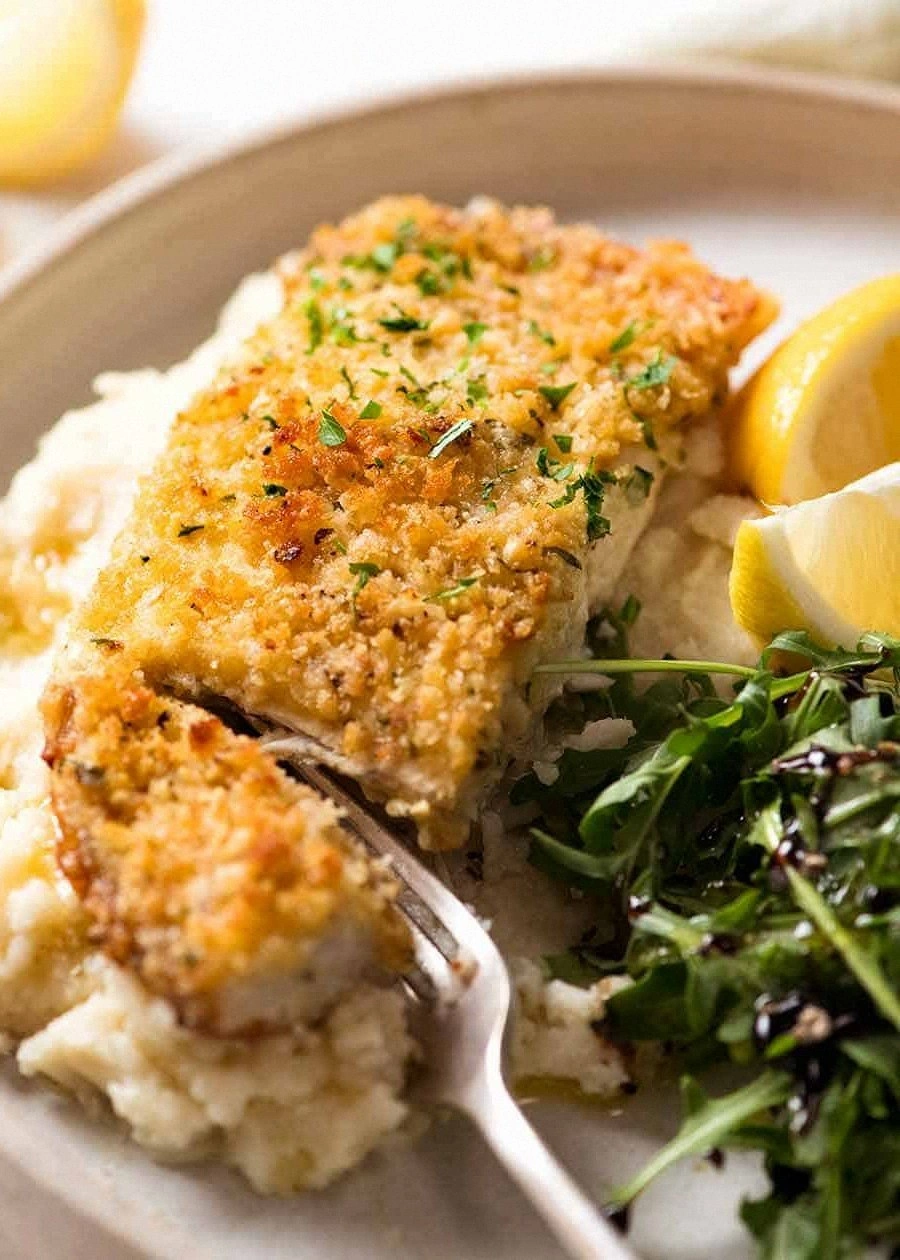
Picture the scene: the pan sizzles like a tiny fireworks show, the air fills with a sharp, tangy perfume of mustard and fresh parsley, and the fish begins to turn a golden amber that’s almost hypnotic. You’ll hear the gentle crackle of breadcrumbs as they meet the heat, a sound that promises crispness that shatters like thin ice. The smell? A perfect marriage of salty sea and nutty parmesan that makes the whole apartment feel like a seaside bistro. And when you finally bite, the flesh inside stays buttery soft, a contrast so satisfying it feels like a culinary hug.
Most recipes get this completely wrong. They either drown the fish in a soggy batter or slap on a bland coating that never truly sticks. This version stands out because it balances the tang of Dijon, the herbaceous pop of parsley, and the cheesy depth of parmesan, all while keeping the fish’s natural flavor front and center. The secret? A quick brush of mustard that acts like a flavor glue, ensuring every breadcrumb clings like a loyal fan. And the panko? It’s the only crumb that can give you that whisper‑thin crunch without turning into a greasy mess.
I’m about to spill the beans on a tiny twist that will elevate this dish from “good” to “hands down the best version you’ll ever make at home.” It’s a splash of olive oil in the breadcrumb mix that creates a glossy, golden crust that’s impossible to ignore. And trust me, I’ve tried the “no‑oil” route, and it was a disaster—dry, dull, and downright boring. Ready for the game‑changer? Let me walk you through every single step — by the end, you’ll wonder how you ever made it any other way.
What Makes This Version Stand Out
- Flavor Explosion: The Dijon mustard isn’t just a condiment; it’s a flavor catalyst that amplifies the fish’s natural sweetness while adding a subtle heat that tingles the palate.
- Texture Triumph: The panko creates a feather‑light crunch that shatters on the first bite, while the interior remains melt‑in‑your‑mouth tender.
- Simplicity: Only ten ingredients, minimal prep, and a single pan—perfect for a busy weekday or a lazy weekend.
- Unique Ingredient Pairing: Parmesan and parsley together give a nutty‑herbaceous finish that most fish recipes completely overlook.
- Crowd‑Pleaser: Even the pickiest eaters (yes, the kids) can’t resist the golden crust and the subtle zing of mustard.
- Ingredient Quality: Using firm white fish ensures the fillet holds together, preventing any dreaded break‑apart moments.
- Cooking Method: A quick pan‑sear followed by a brief oven finish locks in moisture and guarantees even browning.
- Make‑Ahead Potential: You can prep the coating a day ahead, storing it in an airtight container, and just assemble when you’re ready to cook.
Inside the Ingredient List
The Flavor Base
The 2 tbsp of Dijon mustard is the heart of this dish. Its sharp, slightly spicy notes cut through the richness of the fish, creating a balance that feels like a well‑orchestrated duet. If you skip it, you’ll lose that tangy backbone and end up with a bland coating. A good swap is whole‑grain mustard for a bit of texture, but the classic Dijon is unbeatable for its smoothness.
The Texture Crew
Panko breadcrumbs (½ cup) are the secret weapon for that airy crunch. Unlike regular breadcrumbs, panko is larger and lighter, giving you that “feather‑light” bite. If you’re out of panko, use crushed cornflakes—just make sure they’re unsweetened. The 1 tbsp of parsley isn’t just for color; it adds a fresh, grassy note that brightens up the heavy parmesan.
The Unexpected Star
Parmesan (⅓ cup, about 30 g) brings a salty, nutty depth that transforms the crust from ordinary to extraordinary. It melts into the breadcrumbs, creating a cohesive coating that clings to the fish. A good alternative is Pecorino Romano for a sharper bite, but keep the amount the same to avoid overwhelming the fish.
The Final Flourish
A single clove of garlic, minced, adds an aromatic punch that’s subtle yet unmistakable. If you’re garlic‑averse, a pinch of garlic powder works fine. The olive oil spray and 1 tbsp of olive oil are both essential: the spray ensures an even, light coating while the tablespoon in the breadcrumb mix gives the crust that glossy finish. Salt and pepper, a pinch of each, amplify all the flavors without stealing the spotlight.
Everything's prepped? Good. Let's get into the real action...
The Method — Step by Step
Preheat your oven to 200 °C (390 °F). While the oven warms, line a baking sheet with parchment paper. This creates a non‑stick surface that’ll keep the fish from sticking and makes cleanup a breeze. Feel that anticipation building? That’s the first sign you’re on the right track.
Pat the fish fillets dry with paper towels. Moisture is the enemy of crispiness; a dry surface ensures the mustard adheres properly. Sprinkle both sides with a pinch of salt and pepper—just enough to bring out the natural flavor without overwhelming the delicate flesh.
In a shallow dish, whisk together the 2 tbsp Dijon mustard and 1 tbsp olive oil until smooth. This mixture is the glue that will hold the breadcrumb coating in place. Brush each fillet generously on both sides; you’ll see the mustard glisten like a thin gold veil.
Combine the panko, grated parmesan, minced garlic, and chopped parsley in another shallow dish. Drizzle the remaining 1 tbsp olive oil over the mixture and toss until everything is lightly coated. The oil adds a subtle richness that helps the breadcrumbs turn a deep, caramelized gold.
Press each mustard‑coated fillet into the breadcrumb mixture, ensuring an even coat on both sides. The breadcrumbs should cling firmly—if they fall off, give the fish a gentle press again. This step is where the magic starts to happen; the crust is forming under your fingertips.
Heat a large skillet over medium‑high heat and spray with olive oil spray. When the pan is shimmering, add the fillets skin‑side down (if they have skin). Hear that sizzle? That’s the sound of flavor being locked in. Cook for 2‑3 minutes until the edges turn golden and start to crisp.
Flip the fillets carefully using a fish spatula. Transfer the skillet (if oven‑safe) or move the fillets onto the prepared baking sheet. Slide the pan or sheet into the preheated oven and bake for 8‑10 minutes, or until the fish flakes easily with a fork and the crust is a deep, inviting amber.
Remove from the oven and let the fillets rest for two minutes. This short rest allows the juices to redistribute, keeping the interior buttery and moist. Serve immediately with a squeeze of fresh lemon and a sprinkle of extra parsley if you like.
That's it — you did it. But hold on, I've got a few more tricks that'll take this to another level...
Insider Tricks for Flawless Results
The Temperature Rule Nobody Follows
Never cook fish on high heat from the start; you’ll scorch the coating before the inside is done. Instead, start medium‑high to get that initial crust, then drop to medium for the finish. This technique ensures a uniform golden color without burning. I once tried high heat only and ended up with a blackened mess—lesson learned.
Why Your Nose Knows Best
When the breadcrumb edges begin to smell nutty and toasty, that’s your cue to flip or move to the oven. Trust that aroma—it’s more reliable than a timer. A friend once ignored the scent and overcooked the fish, resulting in a dry, sad plate. Your nose is the ultimate kitchen timer.
The 5‑Minute Rest That Changes Everything
Let the fish sit for five minutes after cooking. This rest period lets the proteins relax, preventing the fillet from shrinking and keeping it juicy. Skip this and you’ll see the fish contract, squeezing out precious moisture. I always set a timer; it’s a habit that never fails.
Oil Spray vs. Drizzle Debate
A light spray of oil creates an even, thin layer that prevents sticking without drowning the crust. If you prefer a richer flavor, drizzle a teaspoon of olive oil over the fillet just before the final oven blast. Too much oil, however, will sog the breadcrumbs—balance is key.
The One‑Minute Butter Finish
After the fish is out of the oven, melt a tablespoon of butter in the hot pan and toss the fillets for 30 seconds. This adds a glossy sheen and a buttery finish that makes the crust sing. I tried this once and the flavor was so elevated that even my picky brother asked for seconds.
Creative Twists and Variations
This recipe is a playground. Here are some of my favorite ways to switch things up:
Spicy Sriracha Crunch
Add a teaspoon of sriracha to the mustard mixture and sprinkle crushed red pepper flakes into the breadcrumb blend. The result is a subtle heat that dances on the tongue, perfect for those who love a little kick.
Herbaceous Italian
Swap parsley for fresh basil and add a pinch of dried oregano to the breadcrumb mix. The Mediterranean twist brings a sweet‑herb aroma that pairs beautifully with the parmesan.
Citrus Zest Burst
Grate a lemon zest into the breadcrumb mixture and finish the dish with a drizzle of lemon‑infused olive oil. The citrus brightens the flavor profile and adds a refreshing finish.
Nutty Almond Crust
Replace half the panko with finely ground toasted almonds. This adds a nutty depth and a slightly richer crunch, ideal for a more indulgent palate.
Gluten‑Free Glory
Use gluten‑free panko or crushed rice crackers in place of regular panko. The texture remains crisp, and the dish stays safe for gluten‑intolerant diners.
Storing and Bringing It Back to Life
Fridge Storage
Place cooled fish in an airtight container and store for up to two days. When reheating, add a splash of water to the pan to create steam, preserving the moisture and preventing the crust from becoming tough.
Freezer Friendly
Wrap each coated fillet tightly in parchment paper, then place in a zip‑top freezer bag. Freeze for up to three months. To cook, thaw in the fridge overnight and follow the original cooking steps.
Best Reheating Method
Reheat in a preheated 180 °C (350 °F) oven for 8‑10 minutes, or pan‑sear for two minutes on each side with a dash of olive oil spray. Adding a teaspoon of water to the pan before covering helps steam the interior while keeping the crust crisp.