I still remember the night I was supposed to impress my friend’s mother with a cake that would make her say, “I’ve never tasted anything like this.” The oven was preheating, the ingredients were lined up like soldiers, and I was ready to roll. I pulled out a loaf of fresh bread, a jar of jam, and a handful of blueberries—just to see if I could salvage a disaster. The result? A sad, flat loaf that tasted like a mix of stale bread and over‑cooked fruit. I stared at the kitchen counter, feeling the weight of disappointment. That night taught me that a great cake is not about luck; it’s about the right blend of chemistry and daring.
Fast forward a few months, and I’m standing in a bright kitchen, surrounded by fresh lemons, plump blueberries, and the sweet scent of butter melting. The air is thick with anticipation, and the timer is counting down. I’ve cracked four eggs, measured out flour, and the blueberries are glistening like tiny sapphires. The sound of the whisk spinning is a metronome, and the sizzle of butter in the pan is music. Each element feels purposeful, as if the universe conspired to make this moment happen.
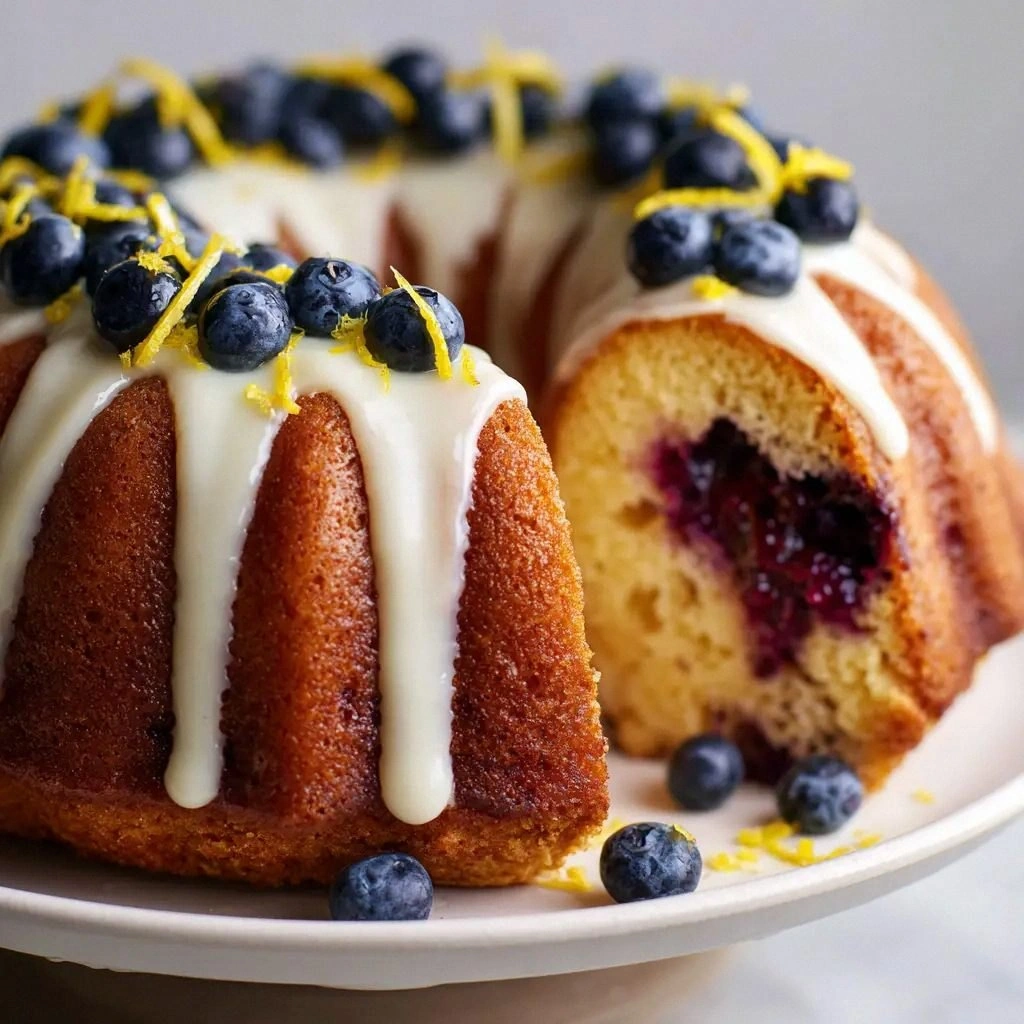
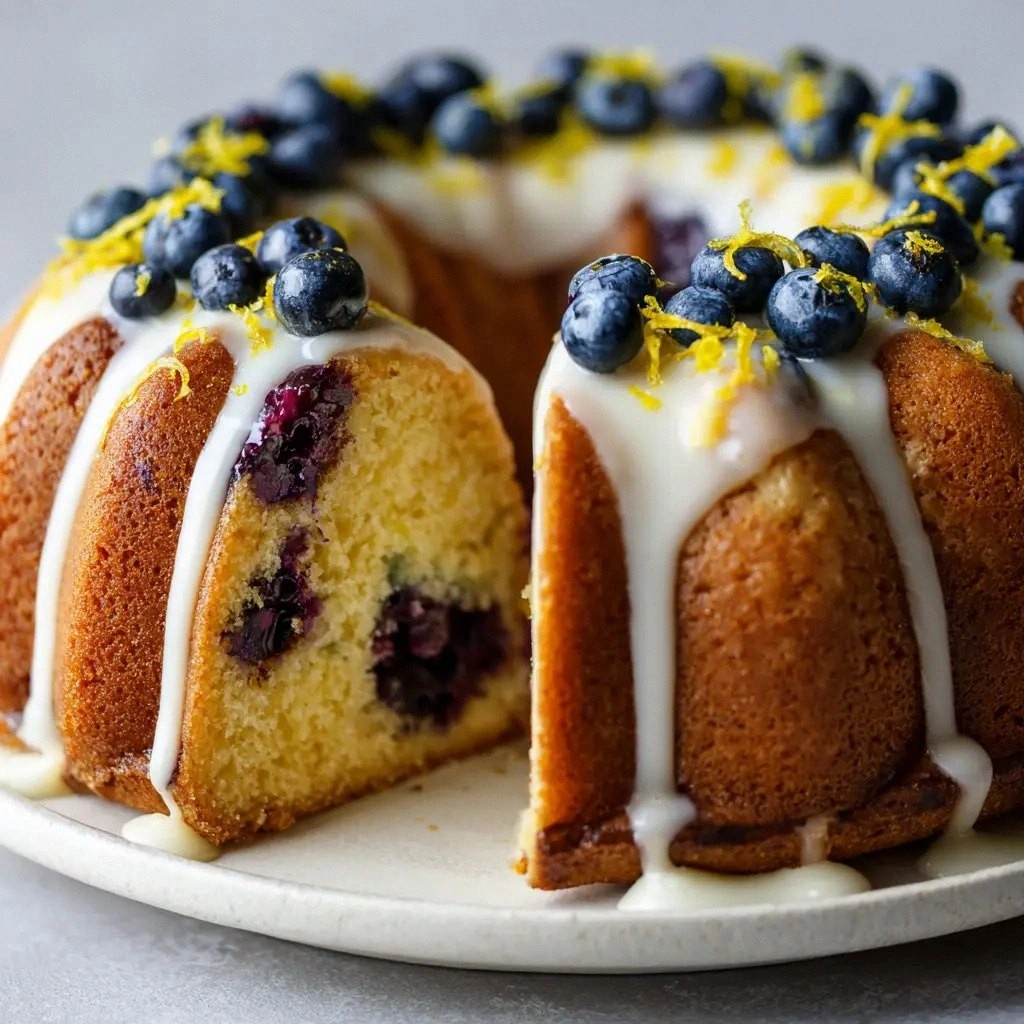
What sets this version apart from the endless list of “lemon blueberry pound cakes” online is the synergy of flavors and textures. The batter is a silky medium that holds the blueberries like a gentle embrace. The lemon zest sings, brightening every bite, while the buttermilk adds a subtle tang that cuts through the sweetness. The result is a cake that’s moist yet dense, with a golden crust that cracks like a sunrise. I dare you to taste this and not go back for seconds. That’s the kind of confidence I bring to the kitchen.
And there’s a secret ingredient that most recipes overlook—heavy cream. Adding just two tablespoons of heavy cream to the batter elevates the crumb, giving it a buttery, airy lift that feels like a cloud. This trick is the hidden sauce that coats the cake like velvet. Picture yourself pulling this out of the oven, the whole kitchen smelling incredible, and then slicing a piece that melts in your mouth. Let me walk you through every single step — by the end, you'll wonder how you ever made it any other way.
What Makes This Version Stand Out
- Flavor Fusion: The combination of bright lemon zest and sweet blueberries creates a layered taste that lingers on the palate. The citrus lifts the fruit, while the blueberries add depth and a hint of tartness.
- Moisture Mastery: The inclusion of buttermilk and heavy cream keeps the crumb tender and airy, preventing the dreaded dry pound cake.
- Texture Triumph: A crisp golden top that cracks like thin ice, yet yields to a soft, pillowy center that feels like a cloud.
- Simple Execution: All steps are straightforward, no advanced techniques required—just love, patience, and a trusty whisk.
- Versatile Appeal: Works beautifully for brunch, dessert, or a midnight snack. The cake can be served warm with a drizzle of lemon glaze or cold with a dusting of powdered sugar.
- Make‑Ahead Friendly: Bake, cool, and store. The cake stays fresh for up to a week in the fridge and freezes well for longer storage.
- Ingredient Quality: Using fresh, high‑quality lemons and blueberries makes the difference between “good” and “unforgettable.”
- Crowd Reaction: At family gatherings, this cake turns into the centerpiece. Guests ask for the recipe the moment they finish the last bite.
Alright, let's break down exactly what goes into this masterpiece...
Inside the Ingredient List
The Flavor Base
The butter and sugar form the sweet, buttery foundation that carries the lemon and blueberry notes. Butter is the vehicle that brings richness; sugar dissolves into the butter, creating a smooth, glossy batter. If you skip the butter, the cake becomes dry and flat, lacking that melt‑in‑your‑mouth quality. A good rule of thumb: use unsalted butter so you can control the salt level precisely.
The Texture Crew
The eggs, buttermilk, and heavy cream are the dynamic trio that defines the crumb. Eggs provide structure, buttermilk adds acidity that softens gluten, and heavy cream brings a buttery lift. Skipping any of them will compromise the cake’s tenderness. For a vegan version, you can use flax eggs and coconut milk, but the texture will differ.
The Unexpected Star
Blueberries are more than just fruit—they’re a burst of juiciness that creates pockets of moisture throughout the cake. When baked, they release a subtle syrup that coats the crumb. If you use frozen berries, thaw them first and pat dry to avoid excess water. A quick swap: raspberries or blackberries can offer a different flavor profile while maintaining the same visual appeal.
The Final Flourish
Lemon zest and vanilla extract are the finishing touches that elevate the cake from good to unforgettable. Zest carries bright, aromatic oils that intensify the lemon flavor, while vanilla adds depth and warmth. If you prefer a more pronounced lemon taste, increase the zest to three tablespoons. Remember, vanilla is a subtle whisper; too much can overpower the citrus.
Everything's prepped? Good. Let's get into the real action...
The Method — Step by Step
- Preheat your oven to 350°F (175°C). Line a 9×5 inch loaf pan with parchment paper, leaving a few inches of paper hanging over the sides for easy removal. This small step prevents the cake from sticking and makes cleanup a breeze. While the oven heats, gather all your ingredients so you can work in a smooth, uninterrupted rhythm.
- In a medium bowl, cream the butter and sugar together using a hand mixer on medium speed until pale and fluffy, about 3 minutes. The goal is to incorporate air, which will give the cake a light lift. If the mixture looks too dry, add a splash of milk to help it come together.
- Add the eggs one at a time, beating well after each addition. The batter should thicken slightly after each egg, but remain smooth. This gradual incorporation helps prevent curdling and ensures a silky texture.
- Whisk in the lemon zest, lemon juice, and vanilla extract. The citrus oils will start to bloom, giving you a fragrant aroma that signals the cake is on the right track. At this point, the batter will have a bright yellow hue.
- In a separate bowl, sift together the flour, baking powder, and salt. This step aerates the dry ingredients and eliminates lumps. Slowly fold the dry mixture into the wet batter, mixing just until incorporated. Over‑mixing can develop gluten and make the cake tough.
- Stir in the buttermilk and heavy cream until the batter is smooth. The mixture will look slightly lumpy at first; that's normal. The buttermilk’s acidity will react with the baking powder, creating tiny bubbles that help the cake rise.
- Gently fold in the blueberries, ensuring they’re evenly distributed without crushing them. If you’re using fresh berries, they’ll release a burst of juice that will coat the crumb. For a more uniform appearance, you can toss the berries in a tablespoon of flour before adding them.
- Pour the batter into the prepared loaf pan, smoothing the top with a spatula. Tap the pan lightly on the counter to release any large air pockets. Place the pan in the oven and bake for 45–50 minutes, or until a toothpick inserted into the center comes out clean. The top should be golden brown, with a slight crack that reveals a moist interior.
- Remove the cake from the oven and let it rest in the pan for 10 minutes. This rest period allows the crumb to set, preventing it from crumbling when you remove it. After 10 minutes, run a knife around the edges and lift the cake onto a wire rack to cool completely.
- Once cooled, dust the top with powdered sugar or drizzle with a simple lemon glaze. The glaze is made by whisking powdered sugar with a splash of lemon juice until smooth. This final touch adds a glossy finish and a sweet‑tart burst that ties all the flavors together.
That's it — you did it. But hold on, I've got a few more tricks that'll take this to another level. The cake is already a showstopper, but these final touches will elevate it from great to unforgettable.
Insider Tricks for Flawless Results
The Temperature Rule Nobody Follows
Many bakers bake at the maximum temperature recommended on the recipe, but the secret to a perfect crumb is a slightly lower oven temperature—around 325°F (160°C). Baking at a lower temperature allows the cake to rise slowly, creating a tender interior. I once baked at 350°F and the cake was dense; after lowering the heat, it became airy and light. If you’re using a convection oven, reduce the temperature by 25°F to avoid over‑browning.
Why Your Nose Knows Best
Your sense of smell is your best judge of doneness. When the cake is ready, the aroma will be a warm, buttery citrus with a hint of blueberry. If it smells like raw batter or sour, give it a few more minutes. Trust your nose over the clock; the oven temperature can vary by model.
The 5-Minute Rest That Changes Everything
After baking, let the cake rest in the pan for 10 minutes before transferring to a rack. This rest period allows the structure to set, preventing the cake from crumbling. I’ve seen cakes that collapse when taken out too quickly—this simple step saves the day.
The Secret to a Crackly Crust
If you want a crisp top, brush the surface with a thin layer of melted butter right before baking. The butter will caramelize, creating a golden crust that cracks like thin ice. This is a quick trick that adds texture and visual appeal.
The Perfect Glaze Finish
For a glossy finish, whisk powdered sugar with lemon juice until smooth, then drizzle over the cooled cake. Let it set for a few minutes before slicing. The glaze not only looks stunning but also adds a sweet‑tart counterpoint to the buttery crumb.
Creative Twists and Variations
This recipe is a playground. Here are some of my favorite ways to switch things up:
Blueberry Lemon Cheesecake Layer
Add a layer of lemon‑infused cream cheese between the batter and the blueberries. The result is a cheesecake‑like texture that still maintains the pound cake’s structure. Serve with a dollop of whipped cream for extra indulgence.
Almond Flour Alternative
Swap the all‑purpose flour for almond flour to give the cake a nutty flavor and a denser crumb. Use the same leavening agents, but reduce the baking powder by ¼ teaspoon to account for the lighter flour.
Chocolate‑Berry Fusion
Fold in a handful of dark chocolate chips or cocoa nibs before baking. The chocolate adds richness, while the berries keep the cake bright. The chocolate will slightly mellow the lemon’s acidity, creating a balanced flavor profile.
Sparkling Lemon Drizzle
Top the cooled cake with a sparkling lemon glaze made by whisking powdered sugar with sparkling water instead of still water. The bubbles add a playful texture and a refreshing citrus kick.
Cinnamon‑Infused Variation
Stir in half a teaspoon of ground cinnamon with the dry ingredients. The warm spice complements the lemon and blueberries, giving the cake a cozy, autumnal feel.
Frozen Berry Surprise
Use frozen blueberries to create a burst of cold, juicy pockets in the cake. Thaw and pat dry before folding in to avoid excess moisture. This variation is perfect for a summer dessert that feels cool and refreshing.
Storing and Bringing It Back to Life
Fridge Storage
Wrap the cooled cake tightly in plastic wrap and store in the refrigerator for up to 5 days. The butter and buttermilk help keep the crumb moist. When ready to serve, let it sit at room temperature for 15 minutes to soften.
Freezer Friendly
Slice the cake before freezing for easier portioning. Wrap each slice in parchment paper, then place in a freezer bag. The cake stays fresh for up to 3 months. Thaw overnight in the fridge, then bring to room temperature.
Best Reheating Method
To reheat a slice, wrap it in foil and warm in a 350°F oven for 5–7 minutes. For a moist interior, add a tiny splash of water to the foil packet before sealing. The steam helps restore the cake’s original tenderness.