
Slow Cooked Pork Shoulder Roast
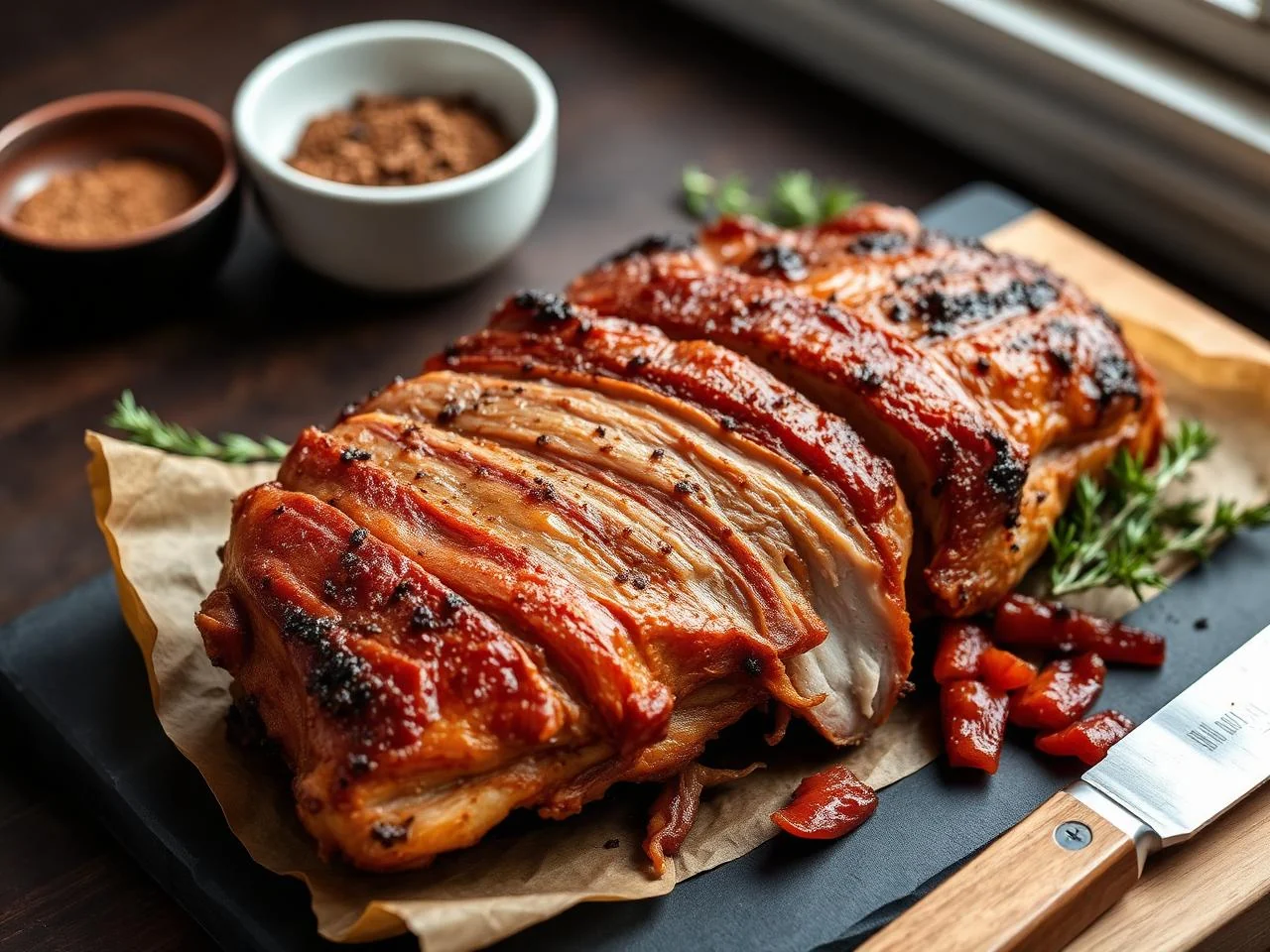
I still remember the first time I tried slow-cooked pork shoulder roast. It was at a family gathering, and the smell of tender, smoky meat filled the entire house. From that moment on, I was hooked. There's something special about a dish that can bring people together like that.
As a home cook, I've always been fascinated by the art of slow cooking. There's a magic to it - the way tough, chewy meat can be transformed into tender, fall-apart goodness with just a little patience and the right technique.
That's why I'm excited to share my slow-cooked pork shoulder roast recipe with you. It's a dish that's perfect for special occasions, but easy enough to make on a weeknight. And the best part? It's incredibly versatile - serve it with your favorite sides, from mashed potatoes to roasted vegetables, and you've got a meal that's sure to please even the pickiest eaters.
So, what makes this recipe so special? For starters, it's all about the pork. I use a boneless pork shoulder roast, which is perfect for slow cooking. The meat is tender and juicy, with just the right amount of fat to keep it moist. And with a few simple seasonings - salt, pepper, and a blend of herbs and spices - you can bring out the full flavor of the pork.
Of course, the real magic happens when you add the bacon. Because, let's be real, everything is better with bacon. The smoky, savory flavor of the bacon pairs perfectly with the rich, meaty flavor of the pork. And when you cook it all low and slow, the result is nothing short of amazing.
Why You’ll Love This Recipe
- This recipe is perfect for comfort food lovers, with its tender, smoky pork and rich, savory flavor.
- It's easy to make, even for beginners, with a simple seasoning blend and a low-and-slow cooking method.
- The dish is incredibly versatile, and can be served with a variety of sides, from mashed potatoes to roasted vegetables.
- It's a great option for special occasions, but also easy enough to make on a weeknight.
- The recipe is budget-friendly, using affordable ingredients like pork shoulder roast and bacon.
- It's a crowd-pleaser, with a flavor that's sure to impress even the pickiest eaters.
Why This Recipe Works
The key to this recipe is the low-and-slow cooking method. By cooking the pork shoulder roast at a low temperature for a long period of time, you can break down the connective tissues in the meat and create a tender, fall-apart texture. And with the addition of bacon, you get a smoky, savory flavor that complements the pork perfectly.
Another important factor is the seasoning. I use a blend of herbs and spices to add depth and complexity to the dish. The salt and pepper provide a solid foundation, while the other seasonings - like thyme and rosemary - add a bright, freshness to the pork.
Finally, it's all about the resting time. After the pork is cooked, it's essential to let it rest for at least 30 minutes before slicing. This allows the juices to redistribute, making the meat even more tender and flavorful.
Ingredients You’ll Need
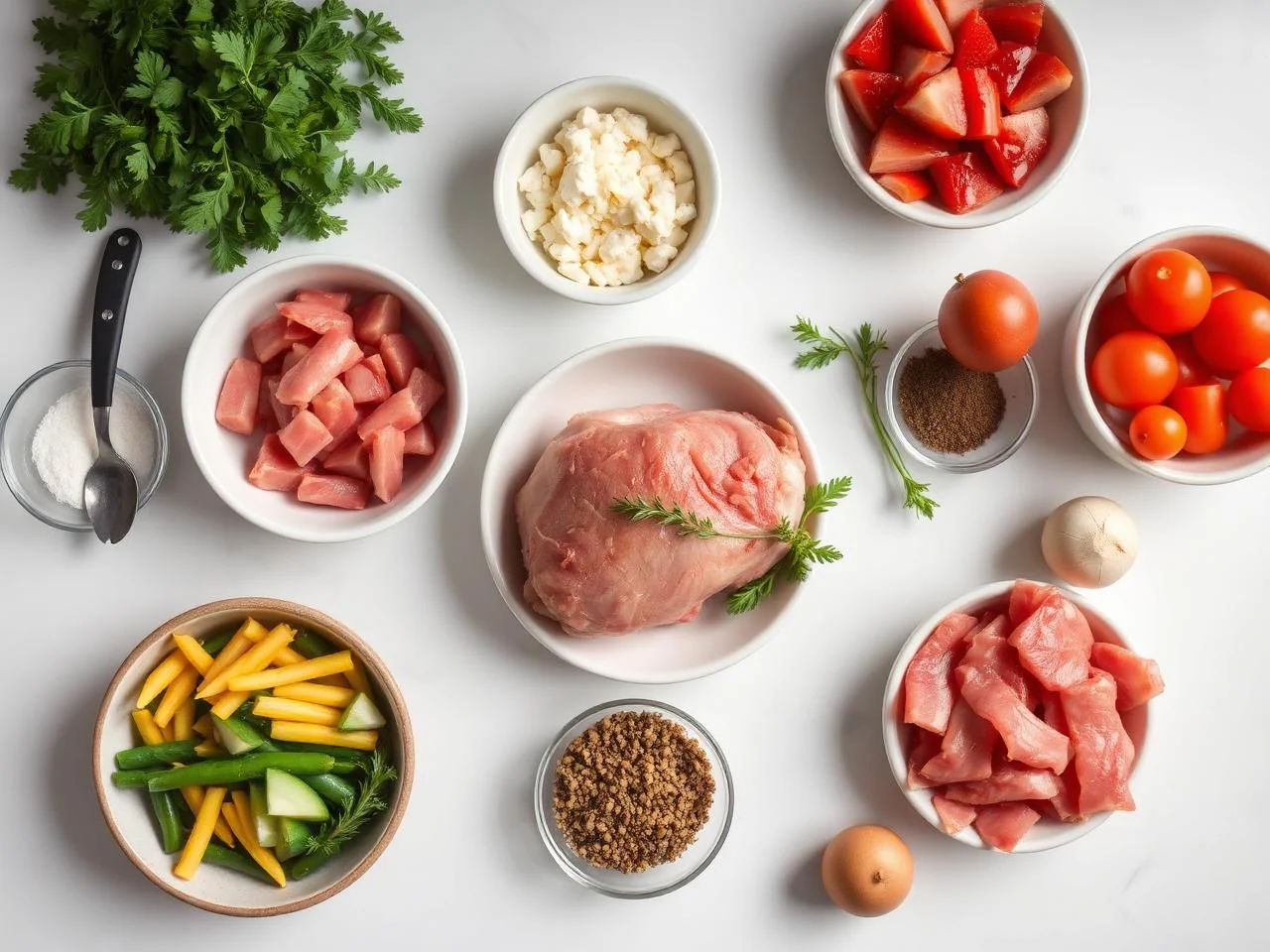
When it comes to the ingredients, I like to keep things simple. I use a boneless pork shoulder roast, which is easy to find at most grocery stores. The bacon is also a key component, and I like to use thick-cut slices for the best flavor. In addition to the pork and bacon, I use a blend of herbs and spices to add depth and complexity to the dish.
- 2 lbs (900g) boneless pork shoulder roastLook for a roast with a good balance of fat and lean meat, as this will help keep the pork moist and flavorful.
- 6 slices of thick-cut baconThick-cut bacon is essential for this recipe, as it provides a smoky, savory flavor that complements the pork perfectly.
- 2 tbsp olive oilUse a high-quality olive oil to add a rich, fruity flavor to the dish.
- 1 tsp saltSalt is essential for bringing out the flavor of the pork, so don't be shy when seasoning.
- 1 tsp black pepperFreshly ground black pepper is best, as it provides a more complex flavor than pre-ground pepper.
- 1 tsp dried thymeThyme is a classic herb that pairs perfectly with pork, and adds a bright, freshness to the dish.
- 1 tsp dried rosemaryRosemary is another herb that complements the pork nicely, with a piney flavor that adds depth to the dish.
- 1 tsp garlic powderGarlic powder is a convenient way to add a rich, savory flavor to the pork without overpowering it.
- 1 tsp onion powderOnion powder adds a sweet, savory flavor to the pork that complements the other seasonings nicely.
- 1/4 cup chicken brothChicken broth helps to keep the pork moist and flavorful, and adds a rich, savory flavor to the dish.
- 2 tbsp brown sugarBrown sugar adds a sweet, caramelized flavor to the pork that balances out the other seasonings nicely.
Equipment You’ll Need
How to Make Slow Cooked Pork Shoulder Roast
- 1Preheat your oven to 300°F (150°C). While the oven is heating up, cut the bacon into 1-inch (2.5cm) pieces and cook in a large Dutch oven over medium heat until crispy, stirring occasionally. Remove the bacon from the pot with a slotted spoon and set aside on a paper towel-lined plate.
- 2Add the olive oil to the pot and swirl it around to coat the bottom. Add the pork shoulder roast to the pot and sear until browned on all sides, about 5 minutes per side. Remove the pork from the pot and set it aside with the bacon.
- 3Add the chicken broth to the pot and bring to a boil, scraping up any browned bits from the bottom of the pot. Add the brown sugar, salt, black pepper, thyme, rosemary, garlic powder, and onion powder to the pot and stir to combine.
- 4Return the pork shoulder roast to the pot and make sure it's covered with the braising liquid. If necessary, add a bit more chicken broth or water to the pot to cover the pork.
- 5Cover the pot with a lid and transfer it to the preheated oven. Braise the pork for 2 1/2 to 3 hours, or until it reaches an internal temperature of 190°F (88°C).
- 6After 2 hours of braising, add the cooked bacon back to the pot and continue to cook for another 30 minutes to 1 hour.
- 7Remove the pot from the oven and let the pork rest for 30 minutes to 1 hour before slicing. This will allow the juices to redistribute and the pork to stay tender.
- 8Use two forks or meat claws to shred the pork into bite-sized pieces. Strain the braising liquid and discard any excess fat that rises to the top. Add the strained braising liquid back to the pot and bring to a simmer over medium heat.
- 9Add the shredded pork back to the pot and toss it in the braising liquid to coat. Season with additional salt and pepper to taste, if necessary.
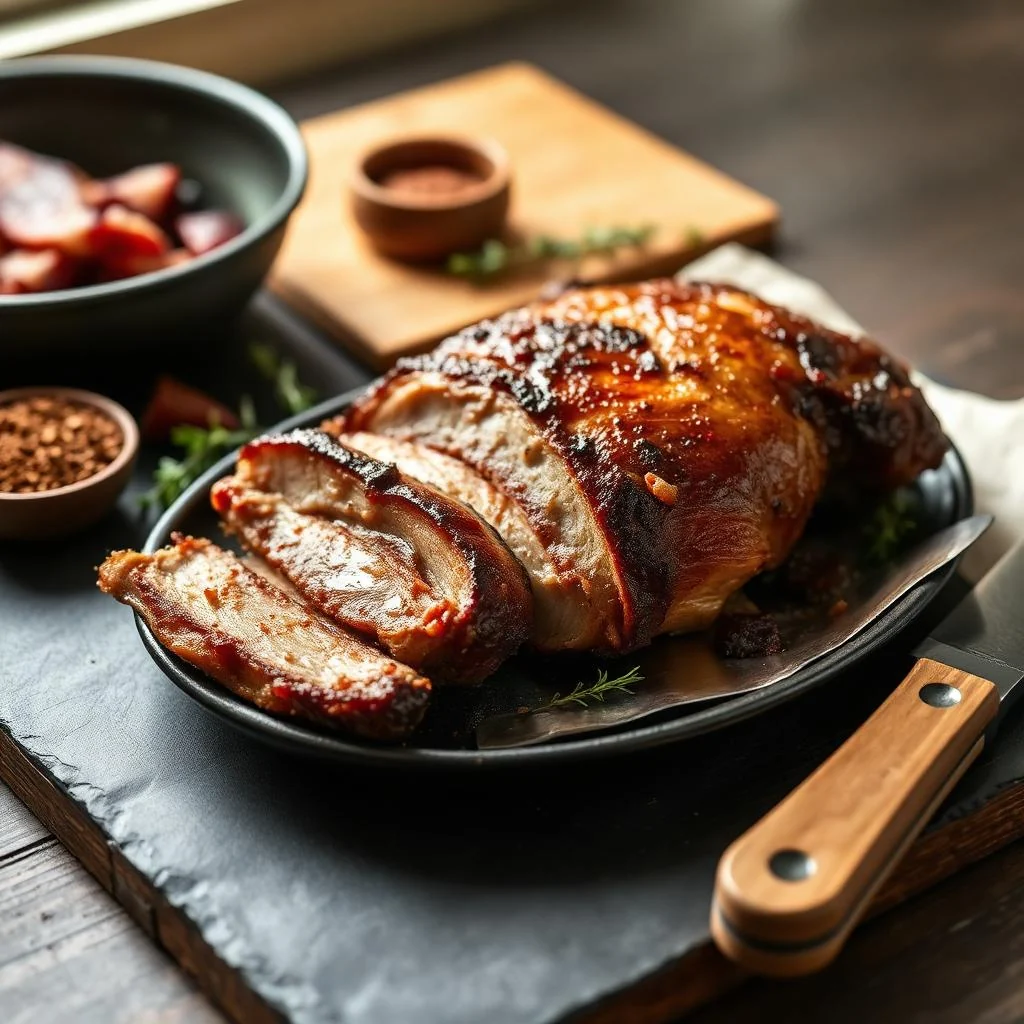
- 10Serve the pork hot, garnished with fresh herbs or chives, if desired. You can also serve it with your favorite sides, such as mashed potatoes, roasted vegetables, or a salad.
- 11To make the dish more substantial, you can serve it with some crusty bread or over mashed potatoes or egg noodles. The possibilities are endless, and the pork is sure to be a hit with your family and friends.
Expert Tips
- Use a meat thermometer to ensure the pork reaches a safe internal temperature of 190°F (88°C).
- Let the pork rest for at least 30 minutes before slicing to allow the juices to redistribute and the meat to stay tender.
- If you prefer a crisper texture on the pork, you can broil it for a few minutes after shredding. Keep an eye on it to prevent burning.
- To add some extra flavor to the pork, you can add some aromatics like onions, carrots, and celery to the pot during the braising process.
- Experiment with different seasonings and spices to find the combination that you like best. Some options include paprika, cumin, and coriander.
- Consider making the dish ahead of time and refrigerating or freezing it for later use. The pork will only get more tender and flavorful with time.
- For a spicy kick, you can add some diced jalapenos or red pepper flakes to the braising liquid.
- To make the dish more substantial, you can serve it with some crusty bread or over mashed potatoes or egg noodles.
Common Mistakes to Avoid
- Not letting the pork rest long enough before slicing, resulting in a tough and dry texture.
- Overcooking the pork, which can make it dry and flavorless.
- Not using a meat thermometer to ensure the pork reaches a safe internal temperature.
- Not straining the braising liquid before serving, which can result in a greasy and unpleasant texture.
- Not seasoning the pork enough, which can result in a bland and unappetizing flavor.
- Not using enough liquid in the braising process, which can result in a dry and flavorless pork.
Variations and Substitutions
- Add some diced onions, carrots, and celery to the pot during the braising process for added flavor and nutrition.
- Use different types of meat, such as beef or lamb, for a unique twist on the recipe.
- Add some spicy elements, such as diced jalapenos or red pepper flakes, to the braising liquid for an extra kick.
- Use different types of liquid, such as beef broth or wine, for a unique flavor profile.
- Add some potatoes, carrots, and other root vegetables to the pot during the braising process for a hearty and comforting meal.
- Serve the pork with some crusty bread or over mashed potatoes or egg noodles for a more substantial meal.
- Experiment with different seasonings and spices to find the combination that you like best.
What to Serve With Slow Cooked Pork Shoulder Roast
Serve the slow-cooked pork shoulder roast with your favorite sides, such as mashed potatoes, roasted vegetables, or a salad. You can also serve it with some crusty bread or over egg noodles for a more substantial meal.
Some other options for serving the pork include serving it in a sandwich, with some coleslaw and pickles, or as a topping for a baked potato or salad. The possibilities are endless, and the pork is sure to be a hit with your family and friends.
Make-Ahead, Storage, Freezing and Reheating
The slow-cooked pork shoulder roast can be stored in the refrigerator for up to 3 days or frozen for up to 2 months. To refrigerate, let the pork cool to room temperature, then wrap it tightly in plastic wrap or aluminum foil and place it in the refrigerator.
To freeze, let the pork cool to room temperature, then wrap it tightly in plastic wrap or aluminum foil and place it in a freezer-safe bag. When you're ready to reheat, simply thaw the pork overnight in the refrigerator, then reheat it in the oven or on the stovetop until warmed through.
To reheat the pork, you can simply place it in the oven at 300°F (150°C) for about 20-30 minutes, or until warmed through. You can also reheat it on the stovetop, by placing it in a saucepan with a little bit of liquid (such as chicken broth or water) and heating it over low heat until warmed through.
Frequently Asked Questions
What is the best type of pork to use for this recipe?
The best type of pork to use for this recipe is a boneless pork shoulder roast. This type of pork is perfect for slow cooking, as it is tender and flavorful, and has a good balance of fat and lean meat.
How long does it take to cook the pork?
The pork takes about 2 1/2 to 3 hours to cook, depending on the size of the roast and the temperature of the oven. It's essential to use a meat thermometer to ensure the pork reaches a safe internal temperature of 190°F (88°C).
Can I make this recipe ahead of time?
Yes, you can make this recipe ahead of time. The pork can be cooked and refrigerated or frozen for later use. Simply reheat it in the oven or on the stovetop until warmed through.
What are some variations I can make to this recipe?
There are many variations you can make to this recipe. Some options include adding different types of meat, such as beef or lamb, or using different types of liquid, such as beef broth or wine. You can also add some spicy elements, such as diced jalapenos or red pepper flakes, to the braising liquid for an extra kick.
How do I store the pork?
The pork can be stored in the refrigerator for up to 3 days or frozen for up to 2 months. To refrigerate, let the pork cool to room temperature, then wrap it tightly in plastic wrap or aluminum foil and place it in the refrigerator. To freeze, let the pork cool to room temperature, then wrap it tightly in plastic wrap or aluminum foil and place it in a freezer-safe bag.
Can I serve the pork with other sides?
Yes, you can serve the pork with a variety of sides, such as mashed potatoes, roasted vegetables, or a salad. You can also serve it with some crusty bread or over egg noodles for a more substantial meal.
Is this recipe suitable for a crowd?
Yes, this recipe is perfect for a crowd. The pork can be cooked in large quantities and served with a variety of sides. It's also a great option for a buffet or potluck, as it can be served at room temperature or reheated as needed.
Can I make this recipe in a slow cooker?
Yes, you can make this recipe in a slow cooker. Simply brown the pork and cook the bacon in a skillet, then transfer everything to the slow cooker and cook on low for 8-10 hours.
Ingredients
- 2 lbs (900g) boneless pork shoulder roast
- 6 slices of thick-cut bacon
- 2 tbsp olive oil
- 1 tsp salt
- 1 tsp black pepper
- 1 tsp dried thyme
- 1 tsp dried rosemary
- 1 tsp garlic powder
- 1 tsp onion powder
- 1/4 cup chicken broth
- 2 tbsp brown sugar
Instructions
- Preheat your oven to 300°F (150°C). While the oven is heating up, cut the bacon into 1-inch (2.5cm) pieces and cook in a large Dutch oven over medium heat until crispy, stirring occasionally. Remove the bacon from the pot with a slotted spoon and set aside on a paper towel-lined plate.
- Add the olive oil to the pot and swirl it around to coat the bottom. Add the pork shoulder roast to the pot and sear until browned on all sides, about 5 minutes per side. Remove the pork from the pot and set it aside with the bacon.
- Add the chicken broth to the pot and bring to a boil, scraping up any browned bits from the bottom of the pot. Add the brown sugar, salt, black pepper, thyme, rosemary, garlic powder, and onion powder to the pot and stir to combine.
- Return the pork shoulder roast to the pot and make sure it's covered with the braising liquid. If necessary, add a bit more chicken broth or water to the pot to cover the pork.
- Cover the pot with a lid and transfer it to the preheated oven. Braise the pork for 2 1/2 to 3 hours, or until it reaches an internal temperature of 190°F (88°C).
- After 2 hours of braising, add the cooked bacon back to the pot and continue to cook for another 30 minutes to 1 hour.
- Remove the pot from the oven and let the pork rest for 30 minutes to 1 hour before slicing. This will allow the juices to redistribute and the pork to stay tender.
- Use two forks or meat claws to shred the pork into bite-sized pieces. Strain the braising liquid and discard any excess fat that rises to the top. Add the strained braising liquid back to the pot and bring to a simmer over medium heat.
- Add the shredded pork back to the pot and toss it in the braising liquid to coat. Season with additional salt and pepper to taste, if necessary.
- Serve the pork hot, garnished with fresh herbs or chives, if desired. You can also serve it with your favorite sides, such as mashed potatoes, roasted vegetables, or a salad.
- To make the dish more substantial, you can serve it with some crusty bread or over mashed potatoes or egg noodles. The possibilities are endless, and the pork is sure to be a hit with your family and friends.