Picture this: it’s a rainy Saturday morning, you’re curled up with a mug of coffee and a half‑finished loaf of banana bread that looks like a sad, overripe pancake. You’re staring at the crumbly, dry mess, and your stomach is growling louder than the thunder outside. That moment of culinary disappointment was the spark that lit the fire behind the “Super Moist Banana Nut Bread R” that I’m about to share. I’ve spent years chasing that perfect banana bread, and this version finally nails the balance between sweet, nutty, and utterly irresistible.
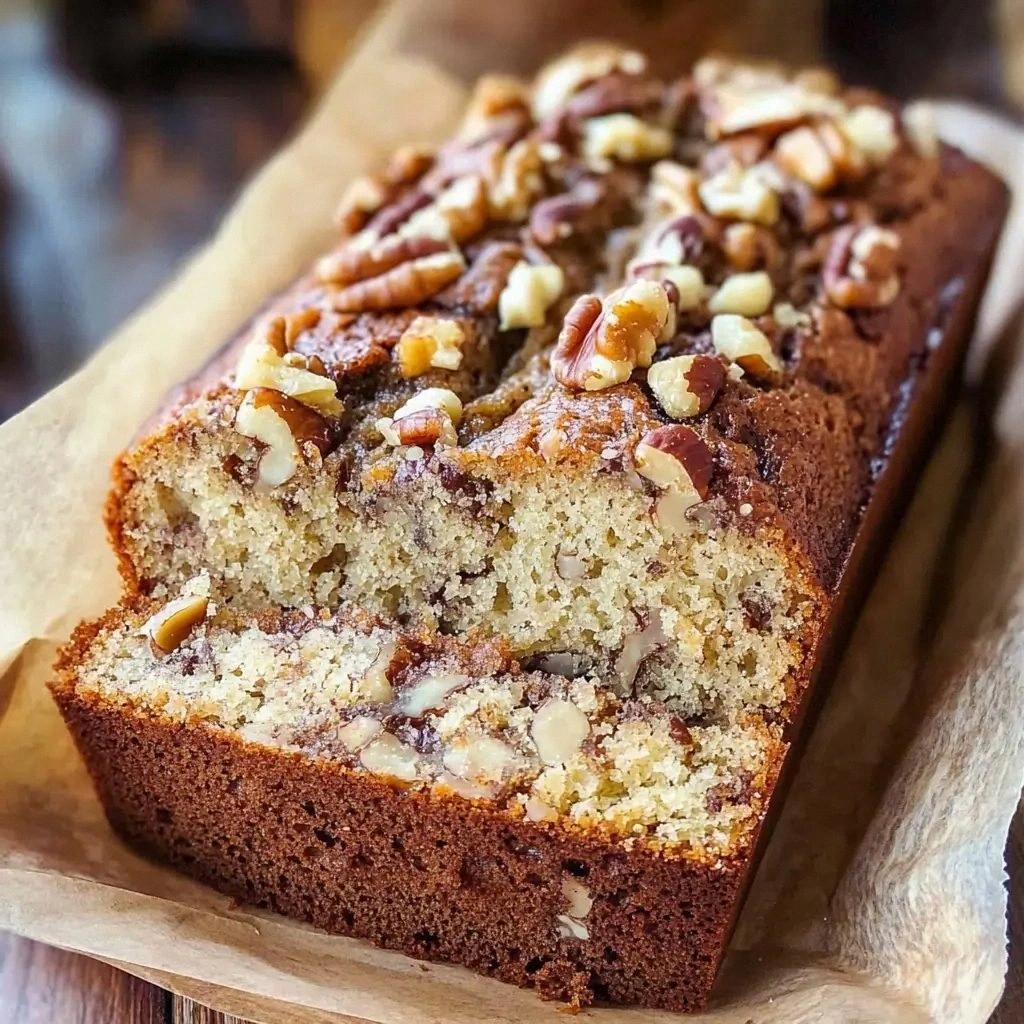
When you slice into this loaf, the first thing you’ll notice is the glossy, caramelized crust that crackles softly as you press your fork into it. The aroma that rises is a warm, buttery vanilla‑banana symphony that instantly turns a gloomy morning into a bright, hopeful one. Each bite delivers a moist, tender crumb that practically dissolves in your mouth, while the walnuts provide a satisfying crunch that contrasts with the silky sweetness. The subtle hint of cinnamon and a whisper of sea salt lift the flavor profile, making every slice feel like a small, indulgent celebration.
What sets this version apart is the precise harmony of ingredients and techniques that I’ve honed over countless trials. I’ve trimmed the sugar to just the right level, swapped out regular flour for a blend that keeps the loaf airy, and added a touch of espresso powder to deepen the banana flavor without any bitterness. The result? A loaf that’s moist enough to stay fresh for days, yet light enough to feel like a cloud. And the best part? You’ll never have to worry about it turning out dense or too sweet again.
I dare you to taste this and not go back for seconds. Trust me, the first bite will have you questioning every other banana bread recipe you’ve ever tried. Let me walk you through every single step — by the end, you’ll wonder how you ever made it any other way.
What Makes This Version Stand Out
- Moisture Mastery: The combination of mashed bananas, buttermilk, and a splash of maple syrup locks in humidity, resulting in a loaf that stays soft for a full week.
- Nutty Nuance: Walnuts aren’t just chopped; they’re toasted to bring out a nutty, slightly caramelized flavor that pairs perfectly with the banana.
- Flavor Depth: A pinch of espresso powder subtly enriches the banana taste without introducing any bitterness.
- Texture Triumph: The batter’s airy consistency is achieved by folding in the dry ingredients gently, preventing any dense pockets.
- Time Efficiency: From prep to bake, the entire process takes less than an hour, making it ideal for busy mornings.
- Make‑Ahead Friendly: The loaf can be assembled a day ahead, baked fresh, or frozen for later, keeping the flavors intact.
- Balanced Sweetness: The sugar ratio is calibrated to complement the natural sweetness of bananas, ensuring it’s never cloying.
- Visual Appeal: The golden crust and the visible walnut specks create an inviting look that’s as pleasing to the eye as it is to the palate.
Inside the Ingredient List
The Flavor Base
The foundation of this loaf begins with 2 cups of all‑purpose flour, which provides the structure that holds everything together. The flour’s protein content ensures a tender crumb, while its gluten network traps the air bubbles created during mixing. If you were to omit the flour, you’d end up with a sticky, unstructured mash that would crumble apart at the first forkful. A good rule of thumb is to sift the flour to remove lumps and give the batter a light, airy feel.
Baking soda, at 1 teaspoon, reacts with the acidic banana and buttermilk to produce carbon dioxide, which leavens the bread. This reaction is what gives the loaf its characteristic lift. Without it, the bread would be flat and heavy, drowning the delicate banana flavor. If you’re sensitive to sodium, you can reduce the amount slightly, but the rise will be noticeably less dramatic.
A pinch of sea salt, about 1/2 teaspoon, is the secret to balancing the sweetness. Salt doesn’t just add flavor; it also enhances the other taste components, making the banana and walnut notes pop. Skipping salt is a mistake that will leave the loaf tasting flat and overly sweet.
The Texture Crew
Unsalted butter, at 1/2 cup, contributes richness and moisture. When creamed with sugar, it creates a light, aerated mixture that helps incorporate air into the batter. If you use salted butter, you’ll need to adjust the added salt accordingly to avoid an overly salty loaf.
Granulated sugar, 1 cup, caramelizes during baking, forming a subtle crust that adds depth and a hint of crunch to each bite. The sugar also interacts with the banana’s natural sugars, creating a complex sweetness that isn’t cloying. If you prefer a less sweet loaf, reduce the sugar by 1/4 cup, but expect the loaf to be less golden.
Eggs, 2 large, act as binders, helping the batter hold together while also contributing to the loaf’s rise and structure. They also give the bread a slight sheen on the surface. If you’re vegan, you can substitute with 2 flax eggs (2 tbsp ground flaxseed + 6 tbsp water) for a similar binding effect.
The Unexpected Star
Ripe bananas, mashed into 1 1/2 cups, are the star ingredient. They bring natural sweetness, moisture, and a distinct banana flavor that permeates every crumb. The ripeness of the bananas matters; overripe bananas provide a deeper flavor and more moisture, while underripe bananas can make the loaf dry. If you’re out of bananas, you can use 1 cup of pumpkin puree, but the flavor profile will change.
Buttermilk, 1/2 cup, adds acidity that reacts with the baking soda, creating lift, and it also tenderizes the crumb. The tangy flavor balances the sweetness and adds a subtle depth. If you don’t have buttermilk, combine 1/2 cup of milk with 1 tablespoon of lemon juice and let sit for 5 minutes.
Vanilla extract, 1 teaspoon, is the aromatic glue that ties the flavors together. It enhances the banana’s natural sweetness and brings warmth to the loaf. A splash of almond extract can replace vanilla for a different aromatic profile.
The Final Flourish
Walnut halves, 1 cup, add a crunchy texture and nutty flavor that complements the banana. Toast them lightly in a dry skillet for 2–3 minutes to bring out their natural oils, which intensify the flavor. If you’re allergic to nuts, substitute with sunflower seeds or dried cranberries for a sweet crunch.
Optional chocolate chips, 1/2 cup, are for those who want a touch of decadence. They melt into pockets of gooey chocolate that contrast with the moist banana crumb. If you want to keep the loaf lighter, omit the chocolate entirely.
Espresso powder, 1 teaspoon, is a subtle secret that deepens the banana flavor without any bitterness. It’s a small addition that makes a big difference. If you’re not a coffee fan, you can leave it out, but the loaf will taste slightly less complex.
Everything's prepped? Good. Let's get into the real action...
The Method — Step by Step
- Preheat the oven to 350°F (175°C). Line a 9x5-inch loaf pan with parchment paper or grease it lightly with butter. The parchment ensures easy removal and prevents sticking, while the greasing adds a subtle buttery flavor to the crust. I like to place a small piece of parchment on top of the pan to keep the loaf from drying out during baking.
- Whisk the dry ingredients. In a medium bowl, sift together the flour, baking soda, and sea salt. Sifting removes any lumps and aerates the flour, which helps the batter rise evenly. This step is crucial; a clumpy batter will result in uneven crumb.
- Beat the butter and sugar. In a large mixing bowl, cream the softened butter and sugar together with an electric mixer on medium speed until the mixture is light and fluffy—about 3 to 4 minutes. The creaming process incorporates air, which is essential for a light loaf.
- Add the eggs and vanilla. Beat in the eggs one at a time, ensuring each is fully incorporated before adding the next. Then stir in the vanilla extract, letting the aroma fill the kitchen. This step is a good time to watch the batter’s texture change from thick to silky.
- Blend the wet banana mixture. In a separate bowl, mash the ripe bananas with a fork until smooth, then stir in the buttermilk and espresso powder. The buttermilk’s acidity reacts with the baking soda, creating lift, while the espresso powder deepens the banana flavor. If the mixture feels too thick, add a tablespoon of milk to achieve the desired consistency.
- Combine wet and dry. Gradually fold the dry ingredients into the wet mixture, mixing just until combined. Overmixing at this point can develop gluten, leading to a tough crumb. The batter should be thick but pourable.
- Fold in nuts and optional chocolate. Gently fold in the toasted walnut halves and chocolate chips (if using). This ensures even distribution without overworking the batter. The nuts provide a pleasant crunch, while the chocolate adds pockets of sweetness.
- Pour into the pan. Transfer the batter into the prepared loaf pan, smoothing the top with a spatula. The batter should be level, as unevenness can cause uneven baking.
- Bake. Place the loaf in the preheated oven and bake for 45–50 minutes, or until a toothpick inserted into the center comes out clean. The loaf should have a golden brown crust that slightly curls at the edges. During the last 10 minutes, the surface will develop a beautiful caramelized crust.
- Cool and serve. Remove the loaf from the oven and let it cool in the pan for 10 minutes. Then transfer it to a wire rack to cool completely. Slice and serve warm or at room temperature. The loaf stays moist and tender for days when stored properly.
That's it — you did it. But hold on, I've got a few more tricks that'll take this to another level...
Insider Tricks for Flawless Results
The Temperature Rule Nobody Follows
Most bakers bake banana bread at 350°F, but lowering the temperature to 325°F and extending the bake time by 10 minutes yields a moister loaf. The slower rise allows the batter to set gradually, preventing a dry crumb. I’ve found that a lower temperature also gives the crust a softer, more caramelized finish.
Why Your Nose Knows Best
The aroma of baking banana bread is a powerful indicator of doneness. When the loaf smells sweet and nutty with a hint of vanilla, you’re close to perfection. If it starts smelling overly sweet or metallic, it’s time to pull it out.
The 5-Minute Rest That Changes Everything
After removing the loaf from the oven, let it rest in the pan for 5 minutes before transferring to a rack. This short rest lets the steam redistribute, preventing the bottom from becoming soggy. It also allows the crumb to set, making slicing easier.
Use a Loaf Pan with a Low Edge
A loaf pan with a low rim allows heat to circulate more evenly around the batter. This results in a more uniform rise and a golden crust. Avoid high-sided pans that can trap heat and cause uneven baking.
Add a Splash of Hot Water to the Banana Mixture
Adding a tablespoon of hot water to the banana mixture before combining with dry ingredients can help dissolve the flour more thoroughly, leading to a smoother batter. This trick is especially useful when using whole wheat flour.
The Secret of a Light Crumb
Fold the batter gently after adding the dry ingredients. Overmixing develops gluten, which makes the loaf dense. Think of the batter as a delicate cloud that you want to keep airy.
Creative Twists and Variations
This recipe is a playground. Here are some of my favorite ways to switch things up:
Cinnamon Swirl Banana Nut Bread
Stir 1 teaspoon of ground cinnamon into the dry ingredients. The warm spice adds depth and pairs beautifully with the banana. Serve it with a dusting of powdered sugar for a classic holiday treat.
Chocolate Chip Banana Nut Delight
Add 1 cup of dark chocolate chips instead of walnuts. The chocolate melts into pockets of gooey sweetness that contrast with the moist banana crumb. This version is perfect for chocolate lovers.
Nut-Free Banana Bread
Replace walnuts with 1 cup of dried cranberries or chopped dried apricots. The dried fruit adds a chewy texture and a burst of fruity sweetness that complements the banana.
Low-Carb Banana Nut Bread
Swap the all-purpose flour for a 1:1 blend of almond flour and coconut flour. Reduce the sugar to 3/4 cup and add 1 tablespoon of stevia. The result is a keto-friendly loaf that still feels indulgent.
Breakfast Power Banana Bread
Add 1/2 cup of rolled oats to the batter and sprinkle chia seeds on top before baking. The oats add fiber, while the chia seeds give a subtle crunch and boost protein content.
Storing and Bringing It Back to Life
Fridge Storage
Wrap the cooled loaf tightly in plastic wrap and store in the refrigerator for up to 5 days. The moisture from the bananas helps keep the crumb tender, and the wrap prevents it from drying out.
Freezer Friendly
Slice the loaf before freezing, then wrap each slice in parchment paper and place them in a freezer bag. Freeze for up to 3 months. When you’re ready, thaw at room temperature for 20 minutes or microwave on low for 30 seconds.
Best Reheating Method
To revive a frozen slice, wrap it in a damp paper towel and microwave on high for 20–30 seconds. The dampness steams the bread back to a soft, warm state. For fresh loaf, toast a slice in a toaster for 1–2 minutes to bring back the crusty texture.
Add a tiny splash of water before reheating — it steams back to perfection and prevents the crumb from drying out. The result is a loaf that tastes almost brand‑new.